
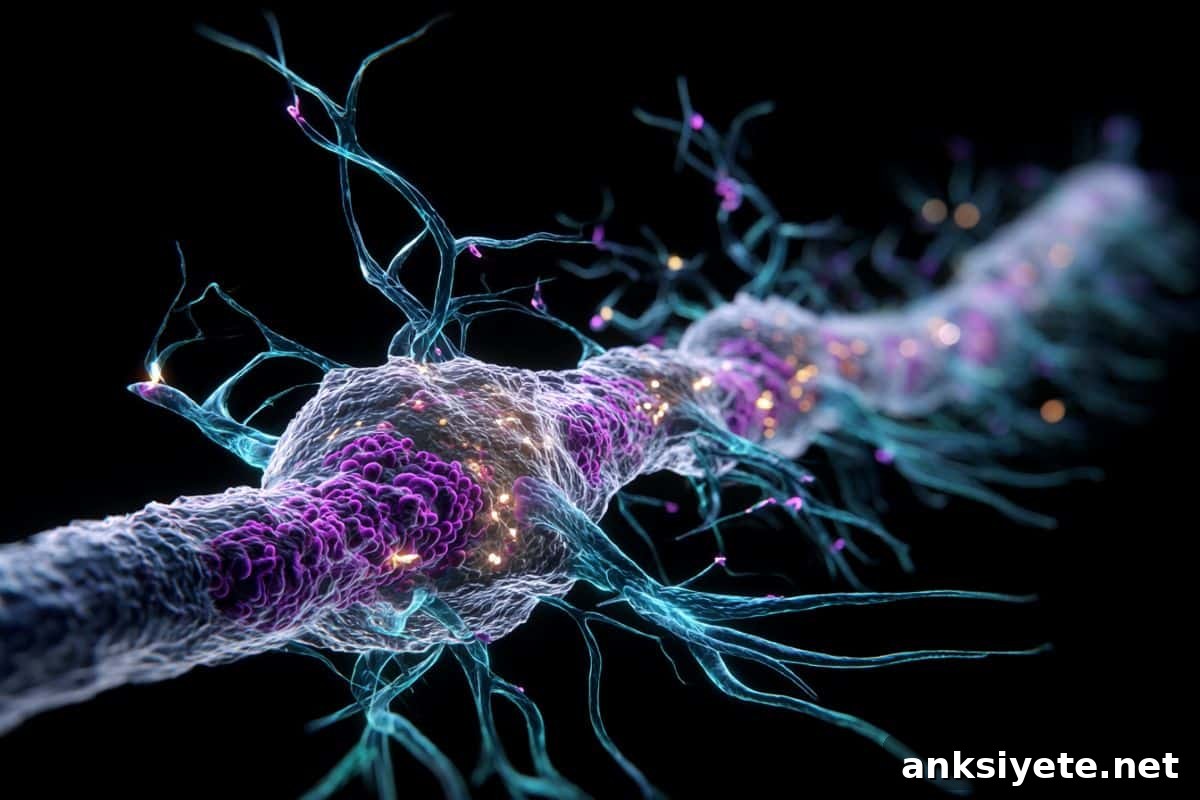
Summary: A multinational clinical trial found that a new antibody, NG101, preserves existing nerve tissue and speeds regression of spinal cord lesions after acute injury.
NG101 works by neutralizing Nogo-A, a naturally occurring protein that inhibits nerve fiber regrowth. Using advanced magnetic resonance imaging (MRI) together with clinical assessments, researchers were able to visualize how the treatment affects spinal cord structure early in recovery, providing objective evidence that supports restoration of brain-to-muscle signaling pathways.
Key Facts
- Removing a barrier to repair: NG101 targets Nogo-A, a protein present in the sheaths of nerve fibers in the brain and spinal cord that limits regrowth after acute trauma.
- Faster lesion regression: High-resolution MRI shows that lesion size decreases more rapidly with NG101 treatment, indicating earlier tissue repair near the injury site.
- Preserving tissue structure: The therapy slows loss of existing nerve tissue and supports the formation of new nerve fibers, reducing structural degeneration.
- Functional reconnection: Surviving and newly formed fibers can cross or bypass the injury, re-establishing important connections with spinal centers that control peripheral nerves of the hands, arms and legs.
Source: University of Zurich
Spinal cord injuries—commonly caused by sports incidents or traffic collisions—can lead to tetraplegia or paraplegia and drastically reduce independence. In late 2024, an international team led by the University of Zurich (UZH) and Balgrist University Hospital completed a multinational phase 2b clinical trial treating patients with acute spinal cord injuries using the recombinant antibody NG101.
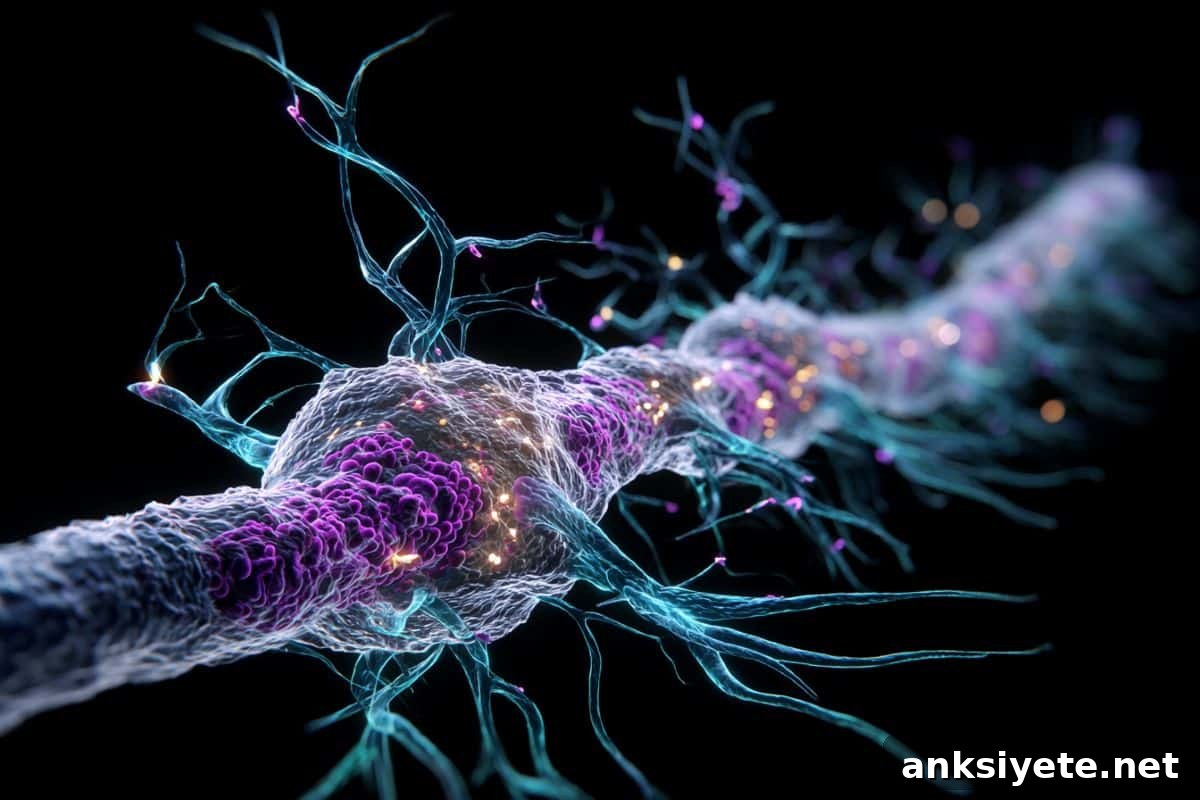
The trial’s imaging and clinical data indicate that NG101 accelerates lesion regression and helps preserve nerve tissue, producing structural changes consistent with nerve fiber regrowth.
How the antibody works
NG101 was developed to bind and neutralize Nogo-A, a molecular inhibitor discovered at UZH about three decades ago. Nogo-A resides in the protective myelin sheaths of nerve fibers and acts as a brake on regeneration after sudden spinal cord trauma. By blocking Nogo-A, NG101 reduces this inhibitory signaling, enabling nerve fibers to sprout and extend, which in turn supports functional recovery of spinal cord circuits.
Direct, visible effects on the spinal cord
Using advanced MRI techniques, the research team directly observed two principal effects of NG101 in the human spinal cord. First, lesions shrank more rapidly in treated participants, indicating accelerated tissue repair and regeneration around the injury. Second, measures of cord cross-sectional area and myelin-sensitive imaging showed a slower decline in structural integrity, consistent with protection of existing tissue and growth of new fibers. Earlier animal studies had already suggested these stages are critical for enabling regenerating axons to navigate the injury and rebuild connections.
Re-establishing connections to peripheral nerves
The study suggests NG101 supports the process by which surviving and newly formed nerve fibers reconnect to spinal cord centers that control the arms, hands and legs. These reconnections are essential for transmitting signals from the brain to muscles, and for some patients the effect translates into a greater chance of regaining arm and hand function.
NG101 therefore appears to influence both structure and function: it alters spinal cord architecture in ways that favor tissue preservation and regrowth, while improving motor pathway connectivity. The ability to visualize these effects early and objectively with MRI opens the door to more strategic treatment planning and more reliable assessment of outcomes in future trials.
Key Questions Answered:
A: It is too early to promise full mobility for every patient. However, the clinical trial showed that NG101 helps surviving and newly grown nerve fibers reconnect with spinal centers controlling limbs. For people with acute injuries, this increases the likelihood of recovering important arm and hand functions and improves the statistical chances of motor recovery.
A: The central nervous system contains molecular inhibitors that limit regrowth. Nogo-A is one such protein in the myelin sheaths that actively prevents damaged axons from extending after trauma. NG101 blocks Nogo-A’s inhibitory effect, allowing natural regenerative processes to occur more effectively.
A: Researchers used high-resolution MRI biomarkers to track structural changes in the spinal cord. The imaging showed two objective markers: faster shrinkage of lesion cavities and replacement of degenerating tissue by the visible architecture of new nerve fiber growth, indicating true structural repair rather than symptom masking.
Editorial Notes:
- This article was edited by a Neuroscience News editor.
- The underlying journal paper was reviewed in full.
- Additional context was added by the editorial staff.
About this spinal cord injury and neurology research news
Author: Kurt Bodenmueller
Source: University of Zurich
Contact: Kurt Bodenmueller – University of Zurich
Image: Image credited to Neuroscience News
Original Research: Open access.
Title: Anti-Nogo-A NG101 treatment induces changes in spinal cord micro- and macrostructure following spinal cord injury: A multicenter MRI study
Journal: Nature Communications
ClinicalTrials.gov identifier: NCT03935321
Abstract
Anti-Nogo-A NG101 treatment induces changes in spinal cord micro- and macrostructure following spinal cord injury: A multicenter MRI study
NG101 is a recombinant antibody that neutralizes the nerve growth inhibitor Nogo-A, promoting neural repair and improving upper extremity motor function after spinal cord injury (SCI). This multicenter study evaluated MRI biomarkers that detect treatment-related structural changes and improve patient stratification, using data from 106 participants with acute cervical SCI enrolled in the phase 2b NISCI trial.
Researchers measured lesion volume, tissue bridges, cord cross-sectional area (CSA), and tract-specific myelin-sensitive magnetization transfer saturation (MTsat) over six months. Compared with placebo, participants treated with NG101 showed faster lesion volume reduction and a slower decline in CSA and MTsat within corticospinal tracts and dorsal columns. Multimodal stratification combining MRI and electrophysiology substantially improved detection of clinical treatment effects, suggesting NG101 either slows trauma-induced degeneration or promotes fiber sprouting. Combining MRI with electrophysiological measures enables sensitive detection of treatment effects and supports more efficient trial designs.