
Cycles of a normal diet and protein restriction improved memory and slowed disease progression
In a new study, mice that display many of the pathological features of Alzheimer’s disease showed clearer cognitive function and reduced signs of neurodegeneration when placed on a cyclical protein-restricted diet supplemented with specific amino acids. The dietary regimen alternated between standard feeding and protein restriction every other week for four months, producing measurable benefits in behavior and brain pathology compared with mice fed a regular diet continuously.
The mice, including animals at advanced stages of the disease model, were evaluated using learning and memory tests such as maze performance. Those on the cyclical protein-restricted diet performed significantly better on memory tasks than their counterparts, indicating improved cognitive abilities. At the cellular level, researchers observed fewer neurons containing abnormal accumulations of phosphorylated tau, a damaged form of the protein that is commonly associated with Alzheimer’s disease and contributes to neuronal dysfunction.
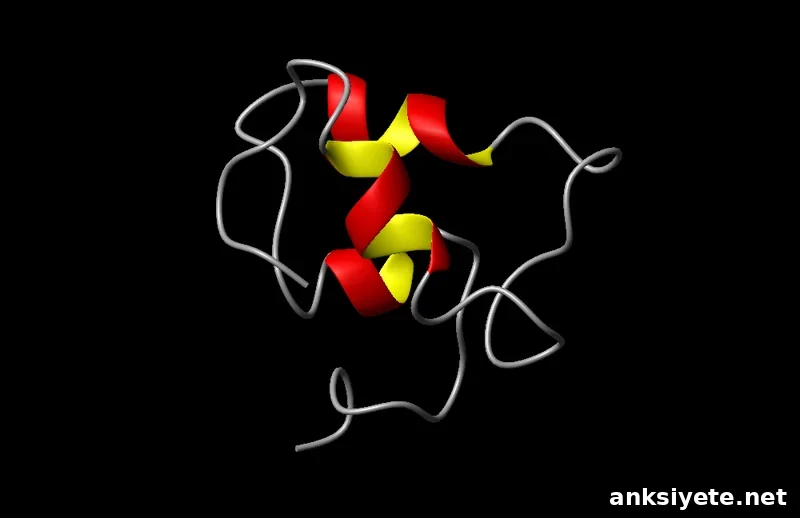
One key mechanism identified by the research team involves insulin-like growth factor 1 (IGF-1). Dietary protein is a major regulator of circulating IGF-1 levels, and the study found that cycles of protein restriction lowered IGF-1 concentrations by an estimated 30 to 70 percent. At the same time, the diet produced an approximately eight-fold increase in a binding protein that neutralizes IGF-1’s activity by attaching to it. IGF-1 supports growth and development during youth, but elevated IGF-1 signaling has also been associated with aging-related diseases in animal models and with several disorders in older humans.
The study’s corresponding author, Professor Valter Longo of the University of Southern California, says these findings raise the possibility that dietary modulation of IGF-1 could protect against age-dependent neurodegeneration. Ongoing and planned follow-up studies aim to determine whether similar dietary cycles have comparable effects in humans and to examine potential impacts on other age-related conditions such as cancer, diabetes and cardiovascular disease.
Longo, who directs the Longevity Institute at the USC Davis School of Gerontology and holds a joint appointment in the USC Dornsife College of Letters, Arts and Sciences, emphasized the translational appeal of dietary strategies. Because developing new drugs can require many years and substantial investment, dietary interventions that can be implemented sooner, if proven safe and effective, could offer more immediate options for people already experiencing cognitive impairment.
Nevertheless, both Longo and his collaborators stress that clinical trials are necessary to determine the safety and efficacy of these dietary cycles in humans. They cautioned that many older adults are frail, underweight, or otherwise medically vulnerable, and that protein restriction could worsen frailty or nutrient deficiencies if not carefully supervised. Longo and colleagues strongly recommend that any attempt to adopt such a regimen be done under the guidance of a physician or registered dietitian to prevent amino acid deficiencies, excessive weight loss, or other adverse effects.
The research was conducted by a multidisciplinary team that includes Pinchas Cohen, dean of the USC Davis School, as well as USC graduate students Edoardo Parrella, Tom Maxim, Lu Zhang, Junxiang Wan and Min Wei. Collaborators include Francesca Maialetti of the Istituto Superiore di Sanità in Rome and Luigi Fontana of Washington University in St. Louis. The results were published in the journal Aging Cell.
Notes about this Alzheimer’s disease research
This work received partial funding through NIH Grant P01AG034906. Contact: Robert Perkins – USC. Source: University of Southern California press release. Original research: “Protein restriction cycles reduce IGF-1 and phosphorylated Tau, and improve behavioral performance in an Alzheimer’s disease mouse model” by Edoardo Parrella, Tom Maxim, Francesca Maialetti, Lu Zhang, Junxiang Wan, Min Wei, Pinchas Cohen, Luigi Fontana and Valter D. Longo, published in Aging Cell. Published online January 30, 2013. DOI: 10.1111/acel.12049.