CRISPR-Engineered Stem Cells Yield Purified Human Retinal Ganglion Cells
Laboratory advances may one day enable cell-based treatments for vision loss from glaucoma and multiple sclerosis.
Researchers at Johns Hopkins have developed a reliable method to convert human embryonic stem cells into retinal ganglion cells (RGCs) — the retinal neurons responsible for transmitting visual information from the eye to the brain. Loss or dysfunction of RGCs is a primary cause of irreversible vision loss in diseases such as glaucoma and optic nerve injury associated with multiple sclerosis.
Donald Zack, M.D., Ph.D., Guerrieri Family Professor of Ophthalmology at Johns Hopkins University School of Medicine and lead investigator on the work, notes that this approach could both improve our understanding of optic nerve biology and create human cell-based models for discovering drug candidates that preserve or restore vision. “Eventually, these methods could support the development of cell transplant therapies aimed at restoring sight for patients with optic nerve disease,” he says.
CRISPR Reporter Strategy and Cell Purification
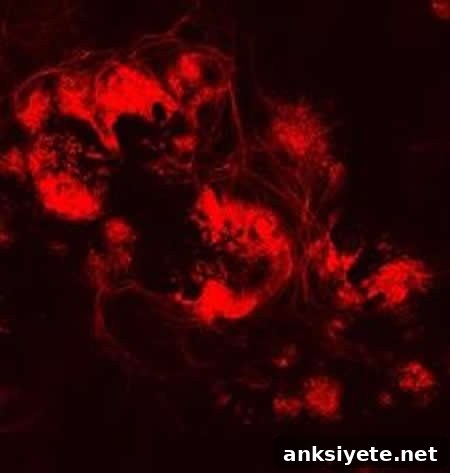
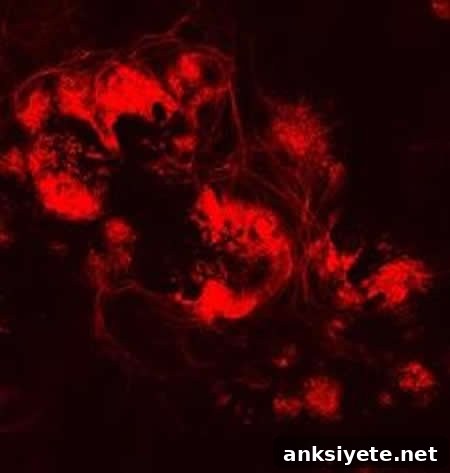
The team used CRISPR-Cas9 genome editing to insert a fluorescent reporter into a human embryonic stem cell line. The reporter was designed to light up only when BRN3B (also known as POU4F2), a transcription factor expressed in mature RGCs, was active. As cells differentiated into retinal ganglion cells, they began to express BRN3B and thus emitted fluorescence under the microscope, creating a visible and specific marker for RGC identity.
After differentiation, the investigators applied fluorescence-activated cell sorting (FACS) to isolate the fluorescent RGCs from heterogeneous cultures. This produced a highly purified population of cells that, according to the authors, displayed morphological and physiological characteristics consistent with naturally occurring retinal ganglion cells.
Optimizing Differentiation and a Role for Forskolin
During protocol development the researchers identified forskolin, a naturally occurring plant compound, as a potent enhancer of RGC differentiation when added early in the culture process. The team emphasizes that while forskolin improved conversion efficiency in the lab, commercially available forskolin supplements are not proven safe or effective treatments for blindness, glaucoma, or other medical conditions.
Valentin Sluch, Ph.D., lead author of the study and a former Johns Hopkins graduate student now working as a postdoctoral scholar at Novartis, described the moment the method first succeeded: “By the 30th day of culture, there were obvious clumps of fluorescent cells visible under the microscope. I was very excited when it first worked.” The ability to isolate and grow purified RGCs in culture marks an important technical advance for the field.
Applications: Disease Modeling, Drug Discovery, and Transplantation
Purified human RGCs derived from pluripotent stem cells offer several research and therapeutic opportunities. They provide human-relevant models for studying RGC development, gene regulation, axon growth, and neurodegeneration. Such models can be used to screen compounds that protect RGCs or promote their survival and function in diseases like glaucoma.
The researchers also demonstrated that aligned nanofiber matrices can direct axonal outgrowth from these stem cell–derived RGCs, enabling in vitro modeling of optic nerve-like structures. This capability supports studies of axon guidance and regeneration that are directly relevant to optic nerve repair strategies.
Zack and colleagues plan further CRISPR-based studies to identify genes required for ganglion cell survival and function. For applications related to multiple sclerosis, the team is collaborating with Peter Calabresi, M.D., professor of neurology and director of the Johns Hopkins Multiple Sclerosis Center, to explore how these cells might inform treatments for MS-related optic nerve damage.
This work was carried out through the Wilmer Eye Institute’s Glaucoma Center of Excellence and its Stem Cell Ocular Regenerative Medicine Center, where Donald J. Zack serves as co-director. The findings were described in a paper published in Scientific Reports.
Study authors include Valentin M. Sluch, Chung-ha O. Davis, Vinod Ranganathan, Justin M. Kerr, Kellin Krick, Russ Martin, Cynthia A. Berlinicke, Nicholas Marsh-Armstrong, Jeffrey S. Diamond, Hai-Quan Mao and Donald J. Zack, along with collaborators from Johns Hopkins and the National Institute of Neurological Disorders and Stroke.
Funding for the project came from the Maryland Stem Cell Research Fund, multiple National Institutes of Health grants, and unrestricted support from Research to Prevent Blindness Inc., the Guerrieri Family Foundation, and Mr. and Mrs. Robert and Clarice Smith.
Abstract (Summary)
Retinal ganglion cell injury and death are a leading cause of irreversible vision loss. Human pluripotent stem cell–derived RGCs could supply cells for drug discovery and for potential cell-based therapies, while also providing new insight into human RGC biology. The authors report a simple adherent culture protocol that uses a CRISPR-engineered fluorescent reporter to identify, isolate, and purify RGCs from differentiated human embryonic stem cells. Purified cells express RGC-enriched markers and display characteristic morphology and physiology. Aligned nanofiber matrices can guide axonal outgrowth to model optic nerve-like structures in vitro. Forskolin was identified as a strong promoter of RGC differentiation under these conditions.
Source: Johns Hopkins Medicine (Marin Hedin).
Image credit: Valentin Sluch.
Original research: “Differentiation of human ESCs to retinal ganglion cells using a CRISPR engineered reporter cell line,” published in Scientific Reports by Valentin M. Sluch et al.