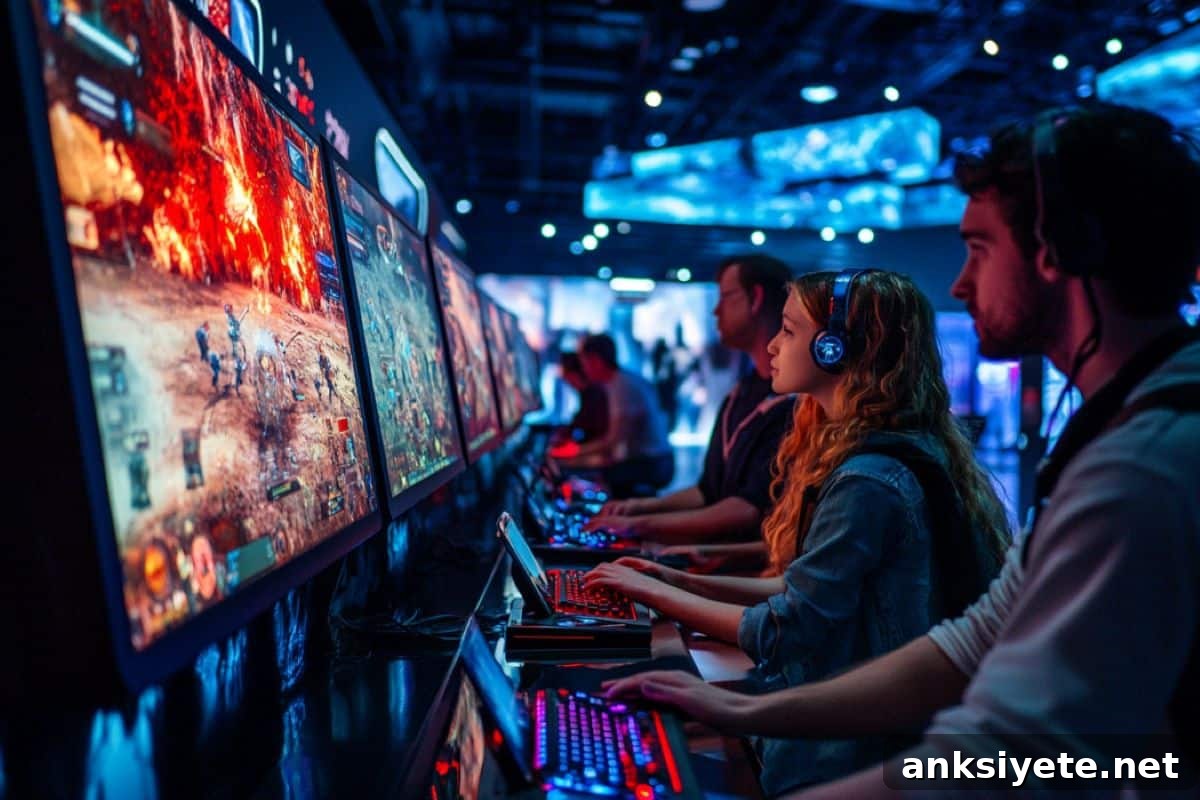
Summary: A new qualitative study finds that multiplayer online gaming can develop valuable workplace skills, including teamwork, problem-solving, leadership, and coaching abilities. Researchers report that long-term MMO players often apply habits and behaviors learned in-game—such as patience, strategic thinking, and feedback delivery—to their professional roles, suggesting that moderate gaming can support both personal and career growth.
These results counter common misconceptions that gaming is merely a waste of time. Instead, the research highlights how the structured, cooperative, and goal-oriented nature of massive multiplayer online (MMO) games can produce transferable competencies that benefit employers and employees alike.
Key Facts:
- MMO players frequently develop workplace-relevant skills such as leadership, teamwork, and problem-solving.
- Gamers describe approaching work challenges with a “puzzle-solving” mindset and greater patience.
- Coaching, feedback, and mentoring skills honed in gaming environments often translate to the office.
Source: University of Houston
Context and findings
The report, published in Human Resource Development International by Melika Shirmohammadi, assistant professor at the University of Houston College of Technology, examines how sustained participation in MMO gaming can enrich employees’ performance at work. The study challenges negative cultural stereotypes and reframes gaming as a hobby that can produce meaningful nonwork-to-work enrichment.
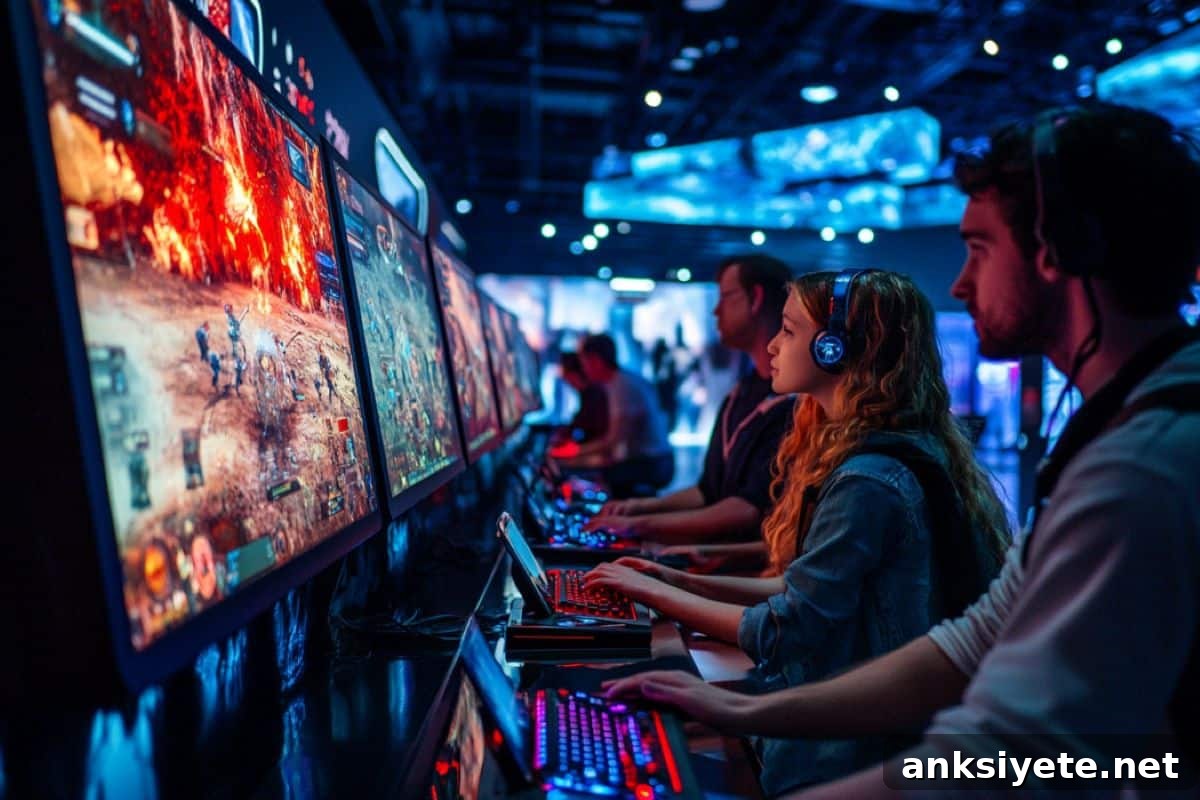
“Online gaming often receives unfair criticism,” says Shirmohammadi. “Our analysis shows that, when engaged responsibly, gaming can foster practical skills that transfer to the workplace—skills such as problem-solving, collaboration, leadership, and self-confidence.”
The study emphasizes moderation and context: it focuses on how dedicated, experienced gamers translate specific game-based experiences into professional strengths rather than promoting excessive play.
Why MMOs promote transferable skills
MMO games require players to coordinate complex tasks, respect team norms, plan strategies, and adjust quickly when circumstances change. Millions of people participate in these virtual worlds. For example, popular titles like World of Warcraft, Destiny 2, and Final Fantasy report large player bases—numbers that underscore how many people bring these skills into the workforce.
To explore these dynamics, Shirmohammadi and colleagues conducted in-depth interviews with 23 employed MMO gamers. Participants averaged around 20 years of gaming experience and had played MMOs for at least a decade. The games discussed—such as World of Warcraft, EVE Online, and Final Fantasy—demand teamwork, punctuality for coordinated missions, and disciplined behavior to avoid jeopardizing shared objectives.
Concrete workplace benefits
Participants described several consistent positive outcomes. Many reported viewing workplace challenges as solvable puzzles, which encouraged a patient, persistent approach to problems. An engineer in the study explained, “I see a problem as a puzzle I want to solve. That mindset carries over into how I approach tasks at work.”
Other common gains included increased self-confidence derived from measurable achievements in-game, heightened self-awareness from receiving and acting on feedback, and refined coaching skills. Players frequently practice evaluating teammates, providing constructive feedback, and explaining strategies—abilities that translate directly to mentoring and onboarding colleagues in professional settings.
One IT specialist summarized this transfer succinctly: by routinely coaching new players in-game, they found themselves better prepared to train new employees at work and to communicate technical instructions clearly.
Implications and conclusion
Shirmohammadi’s study contributes to a broader understanding of how hobbies—especially social, skill-based activities like MMO gaming—can enhance workplace performance. The research categorizes learning outcomes as affective (mindset and confidence), behavioral (team leadership, coaching, conflict resolution), and cognitive (planning, adaptability, problem-solving).
By highlighting the mechanisms that help transfer learning from nonwork to work, the study encourages managers and HR professionals to reconsider stereotypes about gamers and to recognize the potential value of game-derived skills in hiring, training, and team development.
About this research
Author: Laurie Fickman
Source: University of Houston
Contact: Laurie Fickman – University of Houston
Image: The image is credited to Neuroscience News
Original Research: Open access. “Learning by gaming: nonwork-to-work enrichment among successful massive multiplayer online gamers” by Melika Shirmohammadi et al., Human Resource Development International. DOI: 10.1080/13678868.2024.2404818
Abstract
Learning by gaming: nonwork-to-work enrichment among successful massive multiplayer online gamers
Online gaming is often stereotyped negatively, but this qualitative study explores whether and how MMO gaming produces positive outcomes that enrich professional life. The researchers interviewed 23 employed adults with extensive gaming histories and identified multiple learning outcomes tied directly to general workplace skills.
These outcomes fall into three broad categories: affective (viewing work as solvable puzzles, increased self-confidence, and greater self-awareness); behavioral (leading and collaborating with teams, coaching and developing others, building social connections, and resolving conflict); and cognitive (knowledge acquisition, goal-setting, strategy, adaptability, and problem-solving).
The study also examines social and individual factors that influence how gaming experiences are transferred to work. Overall, the findings expand understanding of how a hobby—an often-overlooked sector of nonwork life—can produce meaningful benefits in the workplace and challenge common negative assumptions about gamers.