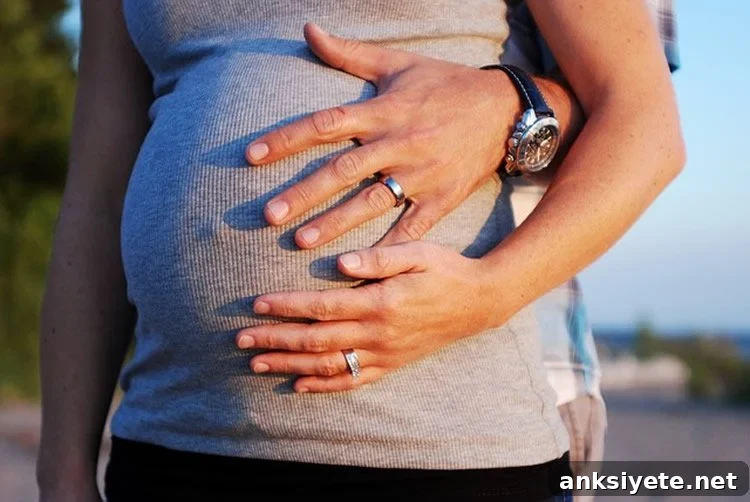
New University of Georgia study finds fathers’ involvement and couple support shape adolescent mothers’ maternal identity
Maternal identity—how a mother connects emotionally with her infant, takes pleasure in her parenting role, and perceives others’ views of her competence—is closely linked to the relationship between the mother and the child’s father and to the father’s involvement before and after birth, according to new research from the University of Georgia.
The study, published in the journal Family Relations, examined how prenatal and postnatal father involvement and the quality of the interparental relationship influence the development of maternal identity among adolescent mothers. Researchers emphasize that maternal identity plays a central role in how mothers parent and how they feel about their children; when maternal identity is achieved successfully, mothers tend to parent more effectively.
Lead author Jacquelyn Mallette, a doctoral student in human development and family science, explained that fathers can contribute importantly to this process. The research team investigated 125 adolescent mothers in Ohio, ages 14–19, and the fathers of their children, who ranged from 15–24 years. The study focused on adolescent mothers because early childbearing is associated with greater psychological stress, more challenges in adjusting to motherhood, and an increased risk that children will suffer from neglect, abuse, or impaired cognitive development. At the same time, teen mothers are still forming their own identities, making the role of supportive partners especially significant.
Rather than adopting a deficit-oriented view of teen parenting, the authors framed their analysis around strengths and supports. Mallette noted that adolescent mothers can be as successful as adult mothers when they have a strong support network; father involvement is a crucial piece of that support. The research finds that father involvement during pregnancy is particularly influential: when fathers are engaged prenatally—attending medical appointments, showing concern for the mother’s well-being, and participating emotionally—those fathers are more likely to remain involved after the child’s birth.
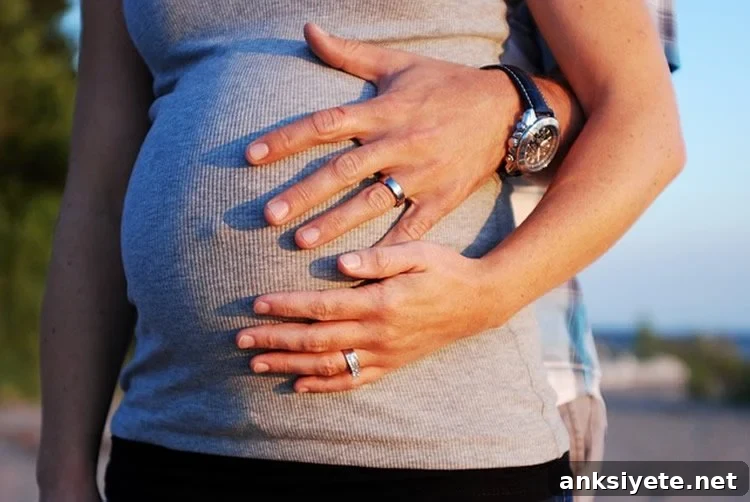
Ted Futris, associate professor and family life specialist and a co-author of the study, emphasized the importance of early involvement: “Father involvement early on is really critical during pregnancy. It helps moms get a sense of support—whether this is someone who will be present, who expresses interest in her well‑being during pregnancy, who attends doctor visits, and who continues to help after the birth.”
Findings from the study indicate that the combination of father involvement and a cooperative interparental relationship produces the strongest positive effects on maternal identity. In other words, it is not enough for fathers to be present; the quality of the mother–father relationship matters. When fathers get along with mothers and actively participate in parenting, adolescent mothers report stronger role validation, lower role strain, and greater identity salience as mothers.
The authors point out implications for practice: programs designed to support young families should actively engage fathers and not focus solely on parenting skills. Relationship skills and communication training are essential components, because improving relationship quality alongside father involvement maximizes the positive influence on adolescent mothers’ maternal identity.
Additional co-authors on the study are Geoffrey Brown and Assaf Oshri, both in the College of Family and Consumer Sciences. The research underscores the importance of tailored services for young fathers; relative to demand, few programs exist specifically to support the needs of adolescent and young adult dads. The study supports development of interventions that combine parent education with relationship-focused skills training to promote healthier family outcomes.
Source: Cal Powell, University of Georgia
Image Credit: Image is in the public domain
Original Research: “The Influence of Father Involvement and Interparental Relationship Quality on Adolescent Mothers’ Maternal Identity” by Jacquelyn K. Mallette, Ted G. Futris, Geoffrey L. Brown and Assaf Oshri in Family Relations. Published online September 4, 2015. doi:10.1111/fare.12132
Abstract
The Influence of Father Involvement and Interparental Relationship Quality on Adolescent Mothers’ Maternal Identity
Guided by maternal role attainment and identity theory perspectives, the authors examined associations between prenatal and postbirth father involvement and maternal identity among adolescent mothers, including the moderating effects of interparental relationship quality. Mailed surveys were completed by 125 mothers ages 14–19 years (67.2% White) recruited from a statewide school-based program. Maternal identity was operationalized as a latent construct composed of three indicators representing role validation, role strain, and identity salience. Analyses revealed that prenatal father involvement was positively associated with fathers’ postbirth engagement with their children and indirectly associated with maternal identity. The relationship between father involvement pre- and post-birth, as well as the relationship between father–child involvement and maternal identity, were moderated by the presence of a cooperative relationship between mothers and their child’s father, consistent with a moderated mediation model. The authors discuss implications for future research and for programs that aim to engage fathers and strengthen interparental relationships to support adolescent mothers’ transition to parenthood.