
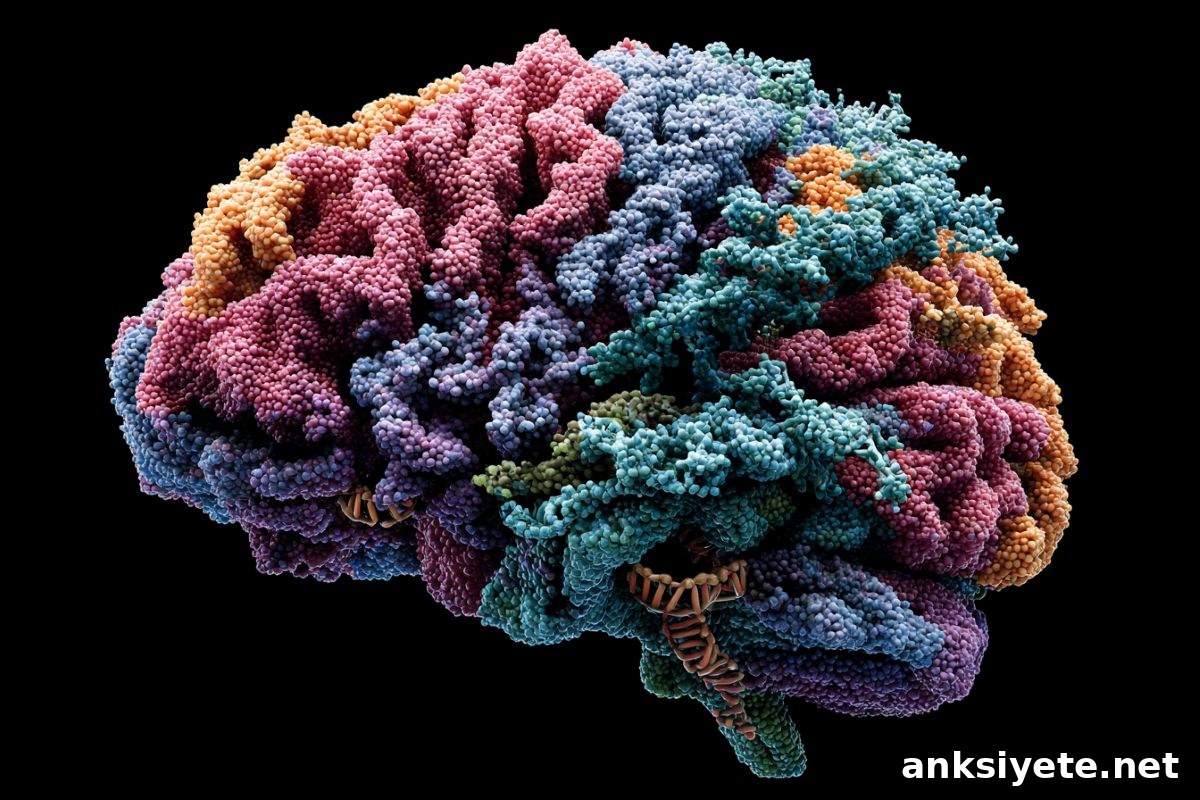
Summary: The endoplasmic reticulum (ER) is the cell’s busiest manufacturing center, responsible for folding newly made proteins and sending them to their destinations. Scientists long knew the ER depends on a precise chemical balance to function, but the molecular machinery that maintains that balance remained unclear.
Researchers have now identified a membrane protein, SLC33A1, that acts as a regulator of glutathione within the ER. Their study shows this transporter controls the ER redox environment needed for accurate protein folding—an essential “proofreading” step. When this system fails, misfolded proteins accumulate, forming toxic aggregates implicated in neurodegenerative diseases and certain cancers.
Key Findings
- Mitochondria vs. ER: While glutathione primarily preserves energetic function in mitochondria, its dominant role in the ER is maintaining protein-folding quality control.
- Direct visualization: In collaboration with Memorial Sloan Kettering, the team obtained structural evidence showing how SLC33A1 binds glutathione and transports it across the ER membrane.
- Therapeutic potential: Discovering this transporter suggests new therapeutic strategies—such as targeting glutathione synthesis or SLC33A1 activity—to address neurodevelopmental disorders and glutathione-dependent cancers.
Source: Rockefeller University
Over recent years, Kıvanç Birsoy and his Laboratory of Metabolic Regulation and Genetics at Rockefeller University have mapped several key roles for the antioxidant glutathione—from detoxifying free radicals to modulating iron and mitochondrial function.
Their prior work identified transporters that move glutathione where the cell needs it and described complex interactions between glutathione and mitochondria. Now, the team has characterized how glutathione helps maintain the ER’s oxidizing environment to ensure proteins fold and mature correctly. Their results appear in Nature Cell Biology.
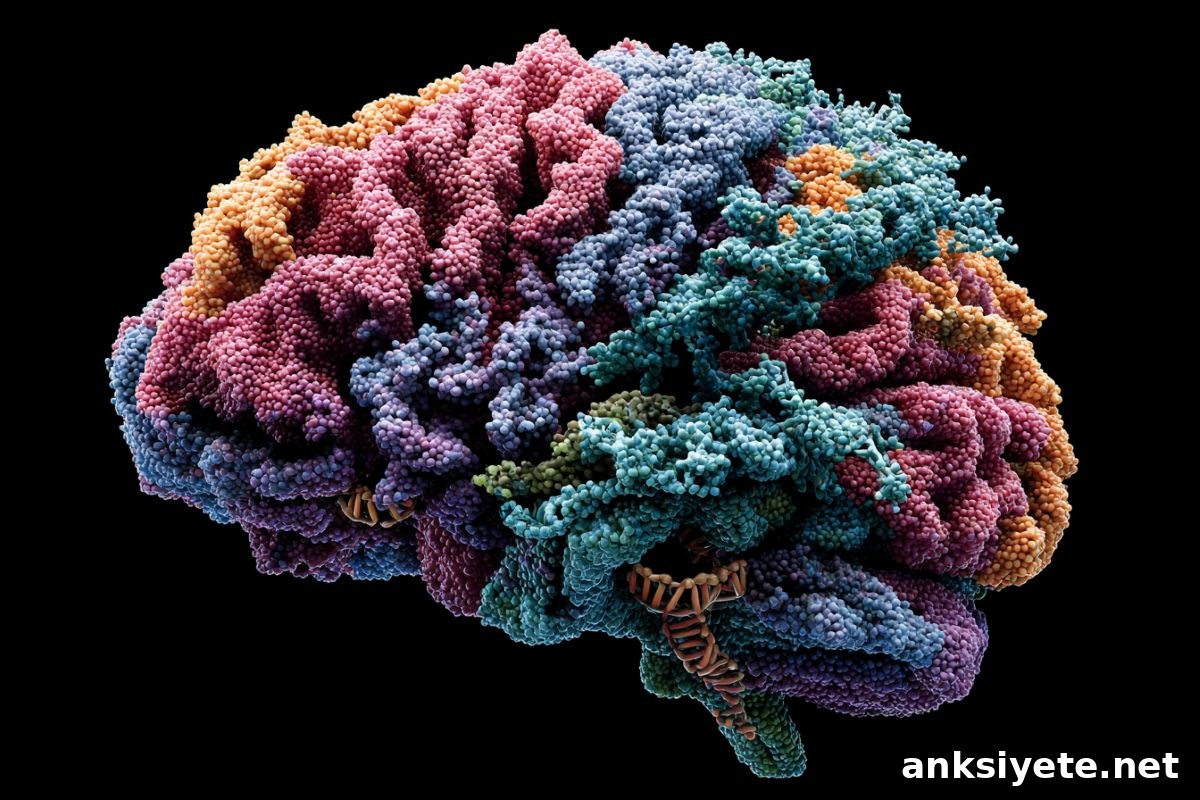
“The ER is central to many diseases; when it malfunctions, disorders from neurodegeneration to cancer can follow,” says Birsoy. “We found a glutathione regulator in the ER that appears to be critical for those processes.”
The regulator acts like a proofreading factor during protein biogenesis: it preserves the redox state needed for disulfide bond formation and other folding steps that define a protein’s final shape and function.
Striking the right balance
Earlier work by the team showed that precise glutathione balance is crucial in mitochondria. Building on those insights, co-first authors Shanshan Liu and Mark Gad and colleagues investigated glutathione’s role in the ER, an organelle that collaborates closely with mitochondria to maintain cellular homeostasis.
The ER requires an oxidized interior to form the correct disulfide bonds in secretory and membrane proteins made by ribosomes. Unlike the cytosol and mitochondria—where reduced glutathione (GSH) dominates—the ER maintains a higher proportion of oxidized glutathione (GSSG). The team sought to understand the mechanisms that establish and preserve this “Goldilocks” redox environment.
Quality control
Using a new rapid immunopurification method to profile the ER’s proteome and metabolome, Liu directly observed the organelle’s chemical landscape. She found that the ER sustains its oxidizing state by importing GSSG from the cytosol and exporting GSH, preserving a high GSSG:GSH ratio essential for correct protein folding.
A CRISPR-based genetic screen identified SLC33A1 as the primary transporter responsible for exporting oxidized glutathione from the ER. Structural studies by Gad, in collaboration with Richard Hite’s lab at Memorial Sloan Kettering, confirmed that SLC33A1 directly transports GSSG and illuminated how the protein binds and shuttles its cargo across the membrane.
“Before this work, the ER’s need for an oxidized environment was clear, but the machinery that enforces that balance was mostly unknown,” Gad explains. The researchers demonstrated that the correct glutathione ratio enables a key proofreading step in folding; disruption of that ratio inhibits enzymes that rely on the ER’s oxidation state and impairs protein quality control.
When misfolded proteins fail quality control, they accumulate in the ER. A sustained buildup can trigger ER stress and ultimately lead to cell death, a mechanism linked to many diseases.
Neurodevelopmental disorders and cancer
The team’s findings illuminate molecular pathways relevant to distinct diseases. Huppke-Brendel Syndrome, a severe neurodevelopmental disorder with intellectual disability and progressive neurodegeneration, is associated with mutations in the SLC33A1 gene. The new data suggest that loss of SLC33A1 function disturbs ER glutathione balance during brain development, causing protein misfolding that could underlie the disease.
Liu notes that these insights point to potential interventions—for example, reducing glutathione levels through synthesis inhibitors or other compounds that relieve GSSG overload—to restore ER homeostasis during development.
The results also have implications for cancer biology. Some cancers, including tumors with KEAP1 mutations, depend on elevated glutathione synthesis. Inhibiting SLC33A1 could cause ER GSSG accumulation and selectively trigger death of glutathione-addicted cancer cells.
“Mapping how metabolites cross organelle membranes reveals fundamental cell biology and identifies disease-relevant, druggable proteins,” Birsoy says. “We will continue exploring this relatively uncharted area.”
Key Questions Answered:
A: A protein’s three-dimensional shape determines its function. A misfolded protein cannot perform its intended role—like a key that no longer fits its lock—and becomes stuck in the ER. When many misfolded proteins accumulate, they disrupt cellular function and can cause cell death.
A: This study focused on mechanisms tied to Huppke-Brendel Syndrome, but many neurodegenerative diseases—such as Alzheimer’s and Parkinson’s—feature misfolded protein aggregates. Understanding and restoring ER proofreading could eventually contribute to strategies that reduce toxic protein clumps, though further research is needed.
A: Some cancer cells rely on high glutathione levels to manage oxidative stress from rapid growth. Disrupting SLC33A1 could upset ER redox balance, cause toxic GSSG accumulation, and selectively kill glutathione-dependent cancer cells.
Editorial Notes:
- This article was edited by a Neuroscience News editor.
- The journal paper was reviewed in full.
- Additional context was added by the editorial staff.
About this genetics and neuroscience research news
Author: Katie Fenz
Source: Rockefeller University
Contact: Katie Fenz – Rockefeller University
Image: The image is credited to Neuroscience News
Original Research: Closed access.
“SLC33A1 exports oxidized glutathione to maintain endoplasmic reticulum redox homeostasis” by Shanshan Liu, Mark Gad, Caifan Li, Kevin Cho, Yuyang Liu, Khando Wangdu, Viktor Belay, Alon Millet, Hiroyuki Kojima, Henry Sanford, Michele Wölk, Linas Urnavicius, Maria Fedorova, Gary J. Patti, Ekaterina V. Vinogradova, Richard K. Hite & Kıvanç Birsoy.
Nature Cell Biology
DOI:10.1038/s41556-026-01922-y
Abstract
SLC33A1 exports oxidized glutathione to maintain endoplasmic reticulum redox homeostasis
The endoplasmic reticulum requires an oxidizing environment to support maturation of secretory and membrane proteins. Glutathione, present as reduced GSH and oxidized GSSG, contributes to this balance. The ER maintains a higher GSSG:GSH ratio than the cytosol, but the mechanisms that control ER redox balance were not well defined.
To investigate, the authors developed a rapid ER immunopurification method for comprehensive proteomic and metabolomic profiling. Combining this with CRISPR screening identified SLC33A1 as the primary GSSG exporter in mammalian ER. Loss of SLC33A1 caused GSSG accumulation in the ER. Liposome assays showed SLC33A1 directly transports GSSG, and cryo-electron microscopy plus molecular dynamics revealed how the transporter binds its cargo and which residues are critical.
An altered GSSG:GSH ratio induced ER stress and increased reliance on ER-associated degradation, associated with a shift in protein disulfide isomerases toward oxidized states. Overall, this work positions SLC33A1-mediated GSSG export as a fundamental mechanism for ER redox homeostasis and proper protein maturation.