
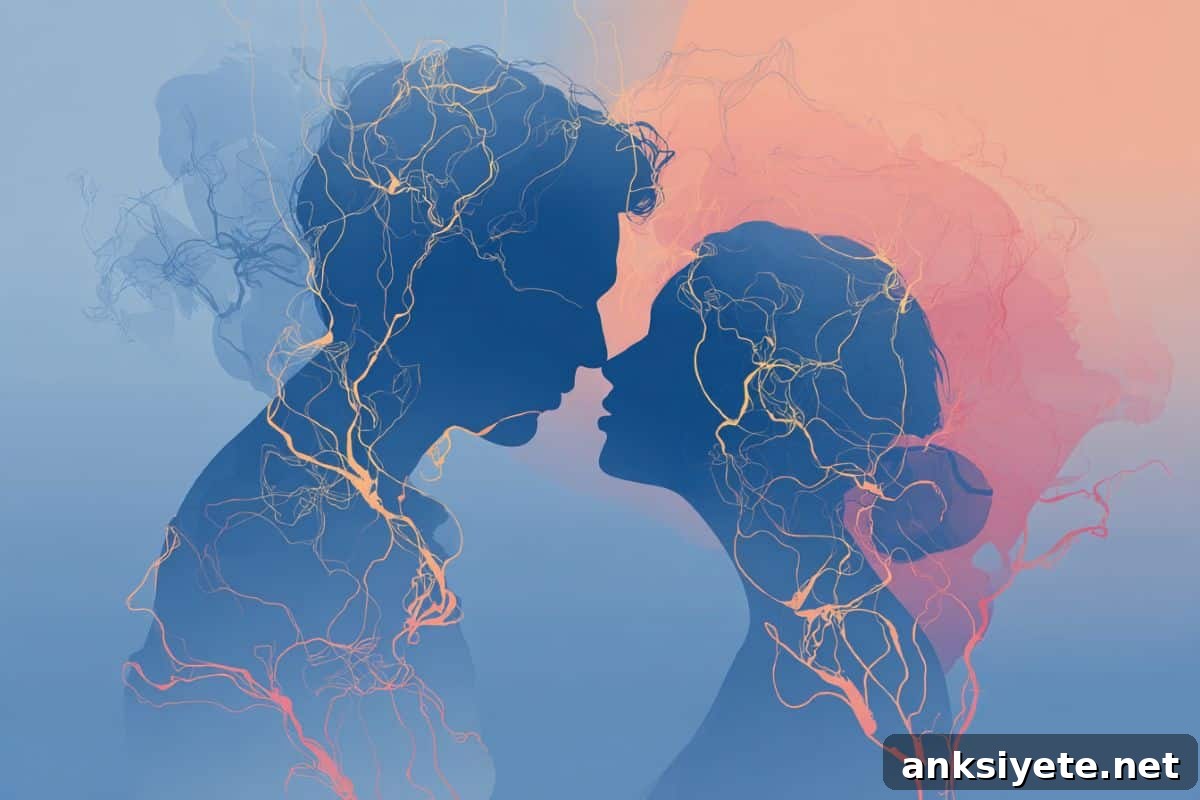
Summary: Falling in love is more than an emotion; it’s a powerful neurochemical event. Brain imaging shows that early romantic love activates the brain’s reward centers, flooding the system with dopamine and triggering euphoria, heightened motivation, and physical arousal.
At the same time, stress hormones rise and brain regions involved in critical judgment quiet down, allowing new partners to bond without overanalyzing flaws. As relationships evolve, the brain shifts from passion-driven dopamine toward bonding hormones such as oxytocin and vasopressin, supporting long-term attachment, stability, and commitment.
Key Facts
- Dopamine Rush: Early-stage love activates reward pathways, producing intense pleasure and strong motivation.
- Critical Thinking Dampened: Brain regions responsible for negative judgment show reduced activity—helping explain why “love is blind.”
- Bonding Shift: Over time, oxytocin and vasopressin come to play a larger role, fostering attachment and long-term connection.
Source: Hackensack Meridian Health
When people are swept up in new romantic feelings, they often describe sheer euphoria along with physical signs like a racing heart and sweaty palms. But the body’s response goes well beyond the heart.
Neuroimaging reveals that falling in love lights up the brain’s pleasure centers—the same reward circuits that respond to enjoyable experiences such as good food. That activation releases a surge of feel-good chemicals that produce intense pleasure and explain those physical reactions. In essence, the brain is rewarding you for forming a romantic attachment.
Experts point out that these powerful feelings originate in ancient, evolutionarily conserved systems of the brain. During the initial phase of attraction, dopamine dominates. This neurotransmitter activates the reward system, creating euphoria, strong focus on the partner, and high motivation—mechanisms that promote pair formation and reproductive success.
As a relationship develops, brain chemistry adapts to support long-term bonding. Oxytocin—often called the “love hormone”—and vasopressin become more prominent. Released through physical touch and intimate moments, these hormones help produce feelings of attachment, safety, and calm, shifting the relationship from an intense passion toward lasting connection and commitment.
The early phase of love also triggers stress hormones, which can make the experience feel intense and crisis-like. That physiological arousal, combined with shifts in other neurotransmitters, can create obsessive thoughts and an inability to stop thinking about the partner. Simultaneously, brain areas involved in negative emotion and critical assessment show decreased activity, so potential red flags may be overlooked while bonding is prioritized.
“There is a scientific basis for the saying ‘love is blind,’” notes clinicians who study these brain changes. Functional studies demonstrate that certain regions associated with judgment and skepticism reduce activity during early romantic love, making it easier to form a bond without dwelling on flaws.
Importantly, long-term couples can sometimes display brain activity similar to people who are newly in love. The early spark can be renewed: by reengaging the brain’s reward circuitry through novel, pleasurable shared experiences and physical closeness, partners can reactivate the neurochemistry that underlies passion.
Clinicians recommend keeping the relationship’s reward system engaged with shared adventures, new activities, and moments of physical closeness that prompt oxytocin release. Such efforts can help couples maintain excitement while deepening intimacy and commitment.
Psychologist Robert Sternberg’s Triangular Theory of Love helps put these neurochemical changes into a broader relational context. Sternberg proposes three core components—intimacy, passion, and commitment—that combine in different ways to form types of love. Romantic love blends intimacy and passion, companionate love blends intimacy and commitment, and consummate love unites all three components, representing an ideal but less common form of enduring love.
Key Questions Answered:
A: Early romantic love activates dopamine-rich reward pathways in the brain, producing intense pleasure, heightened focus, and strong motivation.
A: Brain regions involved in critical judgment and negative emotion reduce activity during early love, lowering skepticism and facilitating bonding.
A: Dopamine-driven passion often gives way to bonding hormones such as oxytocin and vasopressin, which support attachment, security, and commitment.
Editorial Notes:
- This article was edited by a Neuroscience News editor.
- Journal paper reviewed in full.
- Additional context added by our staff.
About this love and neuroscience research news
Author: Elizabeth Llorente
Source: Hackensack Meridian Health
Contact: Elizabeth Llorente – Hackensack Meridian Health
Image: The image is credited to Neuroscience News