
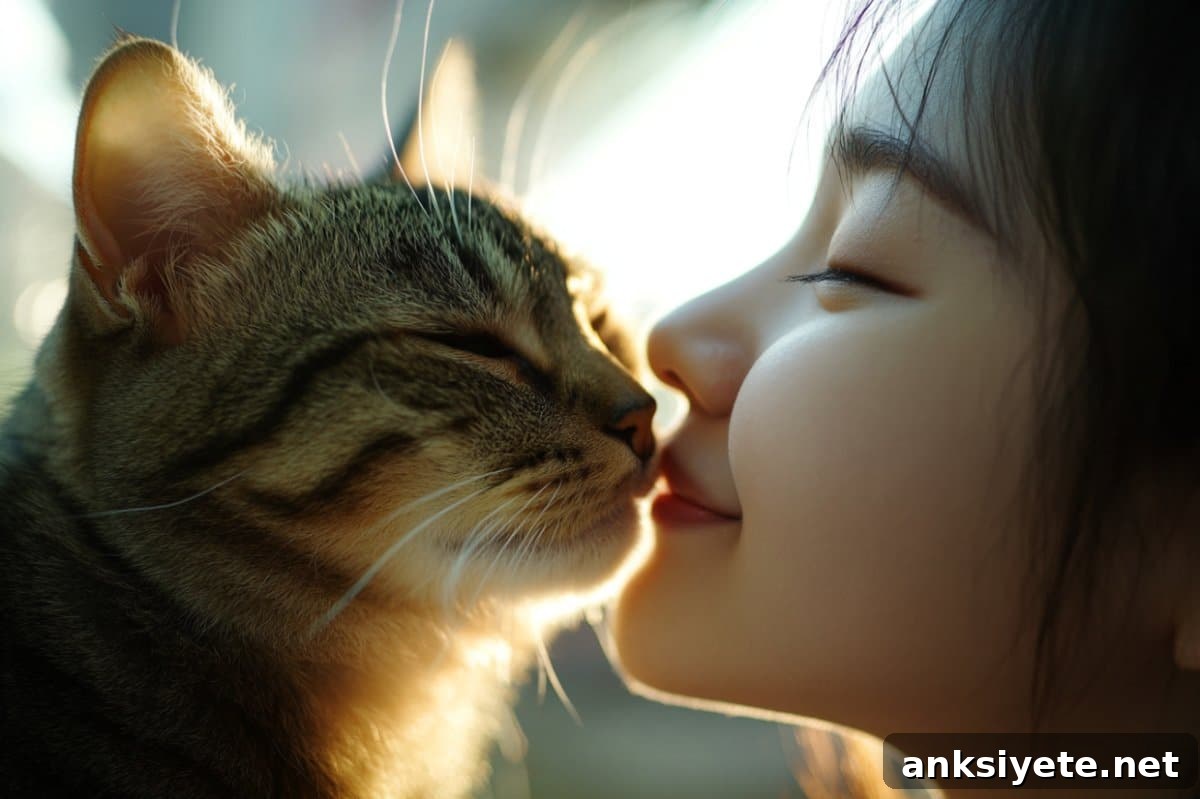
Summary: A new study shows that domestic cats can tell their owner’s scent from that of a stranger using smell alone. When offered scent samples from a familiar person, an unfamiliar person, and an empty control, cats spent significantly more time investigating the unfamiliar human odor.
This behavior indicates cats use olfaction to recognize and explore people in the same way they inspect other cats. The researchers also documented a right-to-left nostril shift during inspection, suggesting lateralized brain processing while cats assess new smells.
Key Facts:
- Scent discrimination: Cats sniff unknown human odors longer than those of their owner or a blank control, implying recognition of familiar versus unfamiliar individuals.
- Nostril lateralization: Cats more often used the right nostril when first encountering a novel human scent, later switching to the left as the scent became more familiar.
- Personality links: Male cats with higher neuroticism showed repetitive sniffing, while more agreeable males sniffed calmly; female cats showed no consistent personality effect.
Source: PLOS
In a paper published May 28, 2025 in the open-access journal PLOS One, researchers led by Yutaro Miyairi at Tokyo University of Agriculture report that cats can distinguish familiar from unfamiliar humans by scent alone.
Cats rely heavily on smell for social communication within their own species, but until now it was unclear whether they use olfaction to differentiate between people. To explore this, the team tested thirty domestic cats using three plastic tubes placed simultaneously in each testing session: one containing a swab from the owner, one with a swab from an unfamiliar human, and one empty control. Swabs were collected from under the armpit, behind the ear, and between the toes to capture natural human body odors.
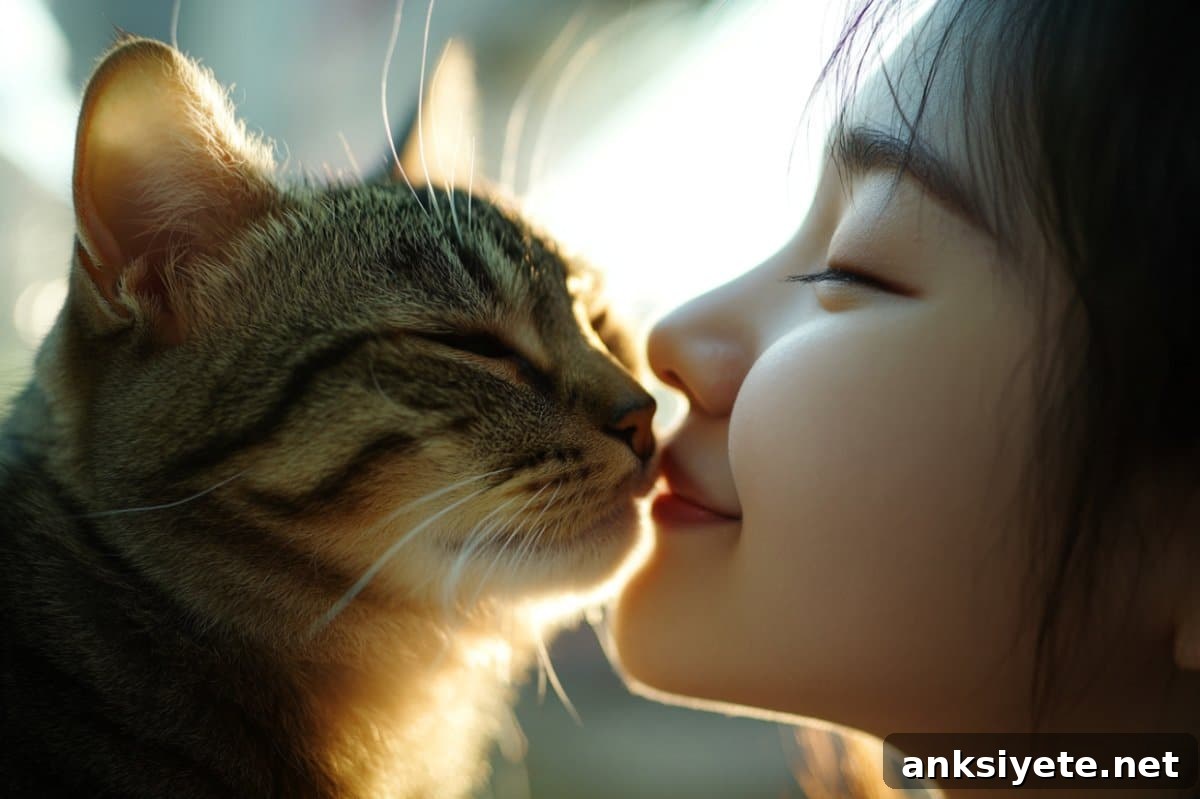
Across trials, cats spent substantially more time sniffing the unfamiliar human odor than the owner’s scent or the blank tube, demonstrating a clear preference for investigating new human smells. This preference supports the idea that olfaction plays a role in how cats recognize and gather information about people they meet.
Observers also recorded which nostril the cats used during inspection. When encountering a novel human scent, cats were more likely to sample with the right nostril first; as the scent became familiar over the session, they tended to switch to the left nostril. Such lateralized nostril use suggests differing involvement of the brain’s hemispheres when processing novel versus familiar olfactory stimuli, a pattern documented in other species as well.
Owners completed questionnaires assessing each cat’s personality (using the Feline Five scale) and the cat–owner relationship (CORS). The researchers found that personality influenced sniffing patterns in males: more neurotic males repeatedly investigated each tube, while more agreeable males showed calmer, less repetitive behavior. No consistent personality effect was detected for female cats, and the cat–owner relationship score did not predict sniffing behavior.
The study also noted a common behavior following sniffing: cats often rubbed their faces against the object they had just inspected. The authors propose this rubbing may be an odor-marking response that follows olfactory exploration, though they emphasize this linkage and the question of whether cats can identify a specific person by scent alone require further research.
Overall, these results indicate domestic cats can discriminate between familiar and unfamiliar humans using smell and that olfactory investigation involves lateralized nostril use and individual personality differences, especially among males.
About this olfaction and neuroscience research news
Author: Hanna Abdallah
Source: PLOS
Contact: Hanna Abdallah – PLOS
Image: The image is credited to Neuroscience News
Original Research: Open access.
Title: “Behavioral responses of domestic cats to human odor” by Hidehiko Uchiyama et al., PLOS One. DOI: 10.1371/journal.pone.0324016
Abstract
Behavioral responses of domestic cats to human odor
Cats live closely with humans worldwide and direct a variety of social behaviors toward their owners. Although olfaction is a primary sense for cats, its role in recognizing people remained unclear. This study used ethological methods to examine whether cats can distinguish known and unknown humans by smell and whether they show lateralized nostril use while doing so.
In controlled tests, cats were exposed simultaneously to three stimuli: the scent of their owner, the scent of an unfamiliar person, and a blank control. Owners provided information via validated questionnaires—the Feline Five for personality and the CORS for the cat–owner relationship.
Results showed cats spent significantly more time investigating the scent of an unfamiliar person than that of a known person or a blank, indicating olfactory discrimination between human individuals. Cats also displayed nostril lateralization when sampling unknown human odors, typically starting with the right nostril and shifting to the left as familiarity increased.
Personality scores correlated with some sniffing behaviors: male cats with higher neuroticism engaged in more repetitive sniffing, while more agreeable males were calmer; female behavior did not show the same associations. No link was found between cat behavior and the cat–owner relationship score.
The team observed that cats often rubbed their faces against objects right after sniffing them, suggesting a possible connection between olfactory exploration and subsequent odor-marking. The authors recommend further studies to clarify whether cats can recognize specific individuals by smell and to explore the functional significance of nostril lateralization in olfactory processing.