NIH study sheds light on treatment of related disorders.
Researchers at the National Institutes of Health have used RNA interference (RNAi) screening to identify dozens of human genes that could become therapeutic targets for Parkinson’s disease and other conditions that arise from mitochondrial dysfunction. The large-scale genetic survey highlights a network of genes that influence how cells recognize and dispose of damaged mitochondria, a process that is central to cellular health and particularly important in neurons.
“We uncovered a group of genes that appear to regulate the removal of dysfunctional mitochondria, opening new possibilities for drug discovery in Parkinson’s disease and related disorders,” said Richard Youle, Ph.D., an investigator at the National Institute of Neurological Disorders and Stroke (NINDS) and a leader of the study. The findings were published in Nature and resulted from a collaboration with scientists at the National Center for Advancing Translational Sciences (NCATS).
Mitochondria are the cell’s energy generators, converting oxygen and nutrients into adenosine triphosphate (ATP), the molecule that powers most cellular processes. When mitochondria become damaged, they can impair cell function and contribute to neurodegenerative diseases. Several neurological disorders, including Parkinson’s disease, certain ataxias, and Charcot-Marie-Tooth disease, are linked to genes that maintain mitochondrial health.
In some familial and early-onset forms of Parkinson’s disease, mutations occur in the PARK2 gene that encodes the E3 ubiquitin ligase parkin. Parkin normally detects and tags damaged mitochondria for removal through a quality control pathway that delivers the defective organelles to lysosomes for degradation. Mutations that disrupt parkin’s tagging activity can allow unhealthy mitochondria to accumulate, which is thought to contribute to neuronal dysfunction and degeneration.
RNA interference is a natural cellular mechanism that selectively silences genes. Since its discovery, scientists have adapted RNAi to systematically turn off individual genes and observe the consequences, making it a powerful tool to map gene function in human cells.
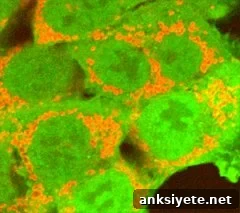
In this study, NCATS’ RNAi facility, led by Scott Martin, Ph.D., used robotics to deliver small interfering RNAs (siRNAs) that individually suppressed nearly 22,000 human genes in cultured cells. Automated, high-content microscopy then evaluated the effect of each gene knockdown on parkin’s ability to recognize and tag mitochondria marked for destruction. This high-throughput approach allowed the team to rapidly identify genes that either promote or inhibit parkin-mediated mitochondrial tagging.
The screen highlighted several genes that act as modulators of parkin activity. At least four genes—TOMM7, HSPA1L, BAG4 and SIAH3—emerged as likely helpers in the pathway. Silencing TOMM7 or HSPA1L reduced parkin-mediated tagging, suggesting these genes support the recognition or processing of damaged mitochondria. In contrast, knocking down BAG4 or SIAH3 enhanced parkin tagging, indicating these genes may act as negative regulators. Prior studies and protein localization data indicate many of these genes encode mitochondrial proteins or factors involved in ubiquitination, the cellular system that controls protein turnover.
To validate findings in a more disease-relevant cell type, the researchers used induced pluripotent stem cell (iPSC) technology to generate human neurons from skin cells and then silenced selected genes. In these human nerve cells, turning off TOMM7 similarly impaired parkin’s ability to tag damaged mitochondria, supporting the idea that these genes function as quality-control agents across multiple cell types, including neurons.
“These helper genes act like quality-control partners in many cell types,” Dr. Youle said. “Identifying them gives the research community new molecular targets and fresh insight into the mechanisms that could underlie Parkinson’s disease and other neurodegenerative disorders tied to mitochondrial failure.”
The full RNAi screening dataset from this study is publicly accessible in NIH’s PubChem database, enabling other investigators to mine the data for additional regulators of mitophagy and to explore connections to neurological disease pathways.
“This work demonstrates how modern high-throughput genetic technologies can quickly illuminate basic disease mechanisms,” said Story Landis, Ph.D., director of NINDS. “We hope these results will spur further studies and accelerate development of therapies for these devastating disorders.”
Notes about this neurogenetics and Parkinson’s disease research
This research was supported by the Intramural Research Programs of NINDS and NCATS.
Contact: Christopher G Thomas – NIH/NINDS
Source: NIH/NINDS press release
Image Source: The image is credited to Youle lab, NINDS, Bethesda, Md., adapted from the NIH/NINDS press release.
Original Research: Abstract for “High-content genome-wide RNAi screens identify regulators of parkin upstream of mitophagy” by Samuel A. Hasson et al., published online November 24, 2013 in Nature (doi:10.1038/nature12748).
#Parkinsonsdisease, #genetics, #neurodegeneration