
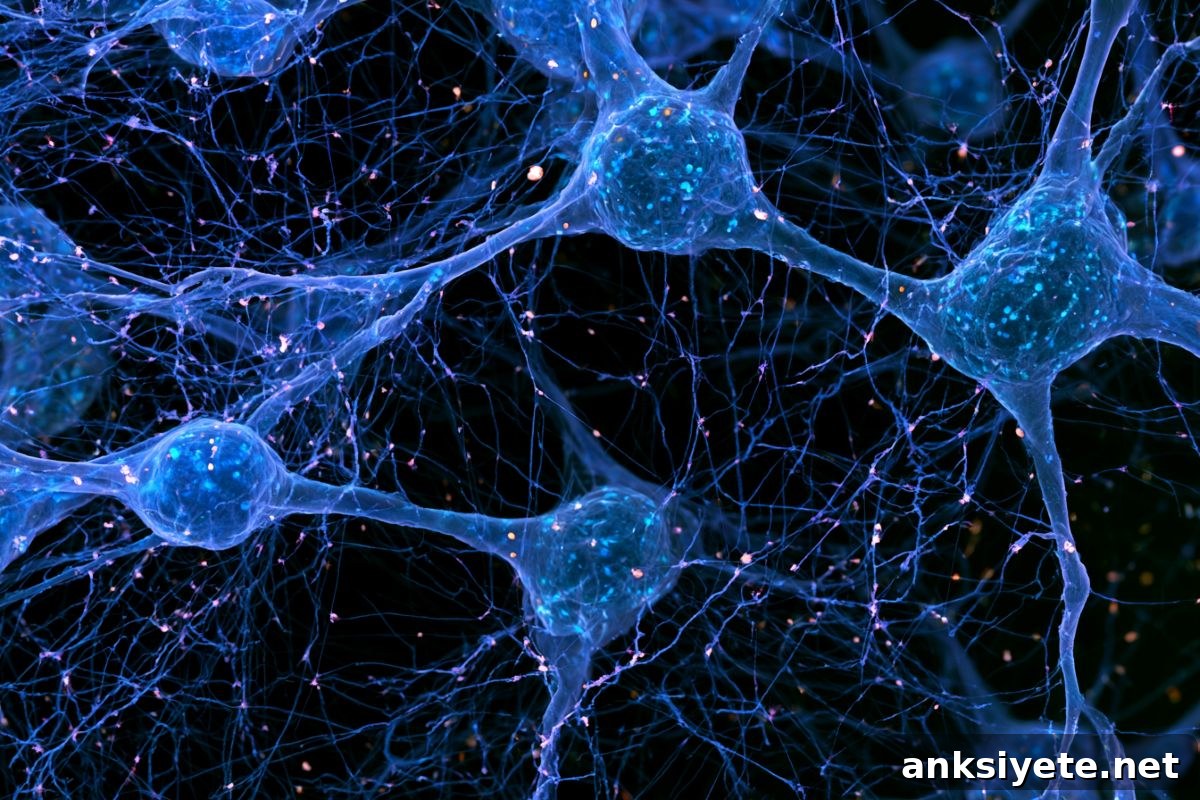
Summary: A new international study led by Pompeu Fabra University (UPF) and the Centre for Genomic Regulation (CRG) shows that altered neuronal microexons trigger persistent hyperarousal and sleep loss in zebrafish. The researchers demonstrate that abnormal alternative splicing elevates intracellular cAMP signaling in forebrain neurons, effectively locking neural circuits into an overexcited state. These findings connect a conserved molecular pathway to the sleep disturbances and sensory hypersensitivity seen in several neurodevelopmental conditions and show that pharmacological reduction of cAMP can restore normal behavior.
Because the cAMP-driven mechanism is evolutionarily conserved and human microexon variants have been linked to neurodevelopmental disorders, the work provides a concrete biological explanation for certain symptoms of autism spectrum disorder and schizophrenia. Importantly, the study also identifies a reversible mechanism: drugs that lower cAMP normalize hyperactivity and insomnia in the zebrafish model.
Key Facts
- Microexon-driven hyperarousal: Disruption of alternative splicing for small neuronal microexons causes sensory hypersensitivity, daytime hyperactivity and profound sleep reduction.
- Neuronal thermostat: Mis-splicing produces a sustained increase in cAMP levels in the forebrain, permanently raising neuronal excitability and promoting arousal.
- Pharmacological reversibility: Chemical inhibitors that lower cAMP fully restore normal sleep and activity patterns in affected zebrafish larvae.
- Evolutionary conservation: The same behavioral signature was previously observed by the same team in fruit flies, supporting the idea that this arousal circuit is conserved across animals.
- Clinical relevance: While not a sole cause of complex disorders, microexon mis-regulation offers a plausible molecular route that contributes to sleep disruption and sensory over-responsiveness in autism and schizophrenia.
Source: UPF Barcelona
Altered microexon inclusion in neurons causes hyperarousal in zebrafish.
Microexons are extremely short coding segments incorporated into neuronal transcripts by alternative splicing to fine-tune protein function. This study shows that changing the normal pattern of microexon inclusion produces a sustained state of hyperarousal in zebrafish larvae. Affected animals swim with altered patterns, show heightened sensory responsiveness and sleep far less: they fall asleep more slowly, sleep for shorter periods, and exhibit fewer sleep bouts overall.
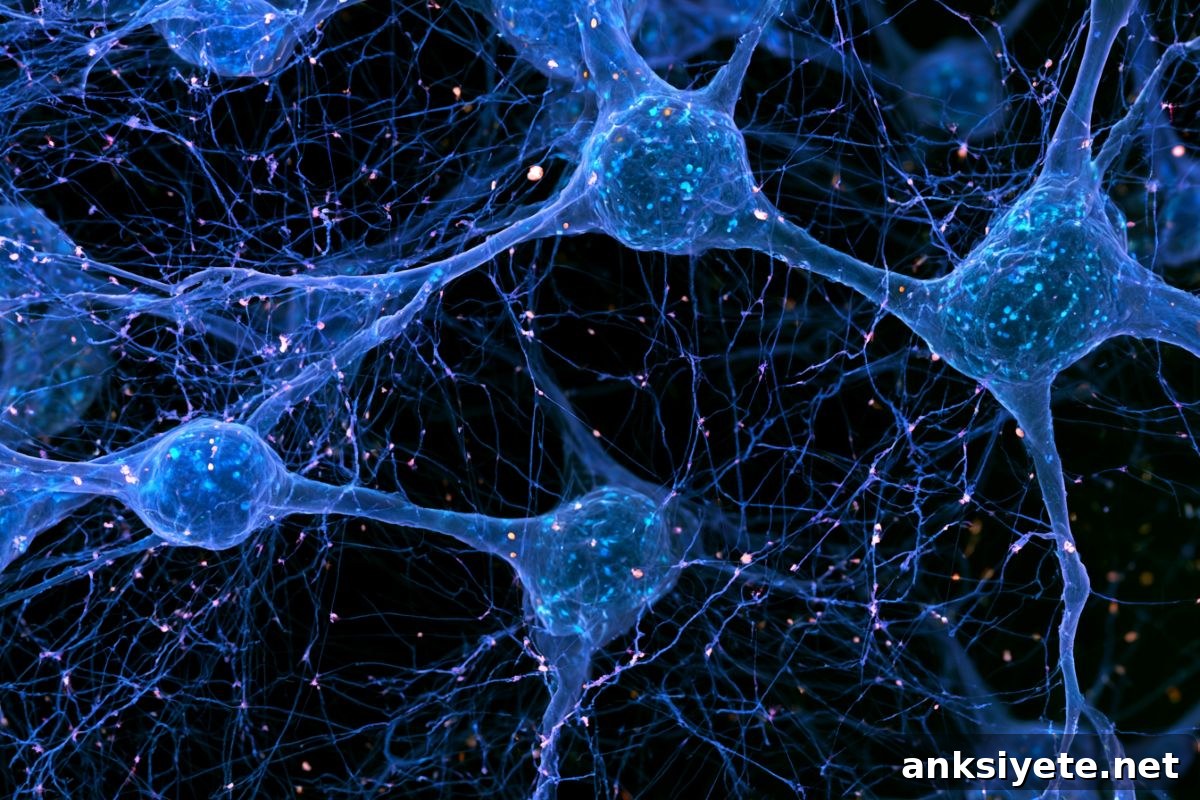
Arousal—an animal’s readiness to respond to internal and external cues—is a conserved function across species. Maintaining a balance between reduced responsiveness and excessive arousal is essential for survival and normal behavior. Alternative splicing, including the regulated use of microexons, expands the functional repertoire of neuronal proteins and helps set that balance. When microexon splicing is disturbed, the balance tilts toward chronic excitation and sleep loss.
At the molecular level, the researchers identify a central role for the cAMP–PKA–CREB signaling axis. Mis-splicing elevates intracellular cyclic adenosine monophosphate (cAMP) in the forebrain, increasing neuronal firing and daytime hyperactivity. The authors describe cAMP as functioning like a thermostat inside neurons: higher cAMP raises activity, while lowering cAMP cools it down. Consistent with this model, treating mutant larvae with a cAMP-lowering compound restored normal activity and sleep, while experimentally increasing cAMP in normal larvae reproduced the hyperarousal phenotype.
Beyond behavior, transcriptional changes were observed that reflect the neural adaptation to sustained excitation: immediate early genes are down-regulated and CREB phosphorylation is reduced, consistent with prolonged activation and homeostatic responses in neural circuits.
Zebrafish findings with broader implications
The same research group previously reported comparable sleep and arousal defects in fruit flies carrying similar microexon splicing changes. That cross-species consistency reinforces the likelihood that the microexon–cAMP pathway contributes to arousal regulation across animals, including mammals. In humans, disrupted microexon regulation has been reported in some cases of autism and schizophrenia—conditions in which sleep disturbance and sensory over-responsiveness are common. While microexon mis-regulation is not presented as a sole cause of these disorders, the study suggests it may be an important contributor to specific symptoms and therefore a potential target for therapeutic intervention.
Lead investigators emphasize both the mechanistic insight and the therapeutic potential: correcting the cAMP imbalance in zebrafish reverses hyperarousal, opening the possibility of testing whether similar strategies might mitigate sleep and anxiety-related symptoms in other species. The authors also note that the pathway intersects with mechanisms implicated in anxiety and depression, indicating broader relevance for mood and arousal disorders.
Key Questions Answered:
A: Microexons are very short coding segments included or skipped during alternative splicing in neurons. Their regulated inclusion produces protein variants that fine-tune neuronal function. When microexon patterns are disrupted, the neuronal systems that control arousal become dysregulated, producing persistent hyperarousal characterized by fewer sleep bouts, shorter sleep duration and longer sleep onset latency.
A: Cyclic AMP (cAMP) acts as a core intracellular signal that sets neuronal excitability. The study shows that microexon mis-splicing increases cAMP in forebrain neurons, which raises firing rates and drives hyperarousal. Manipulating cAMP levels is sufficient to toggle between normal and hyperaroused states: raising cAMP in normal larvae reproduces hyperactivity, while lowering cAMP in mutants restores normal behavior.
A: Arousal regulation is evolutionarily conserved, and similar sleep-deprivation signatures have been observed in flies and zebrafish with altered microexon splicing. Humans with autism or schizophrenia often show disrupted microexon regulation alongside insomnia and sensory hypersensitivity. Although microexon changes are not claimed as the sole cause of these disorders, the pathway uncovered provides a testable biological mechanism that could underlie specific symptoms.
Editorial Notes:
- This article was edited by a Neuroscience News editor.
- The full journal paper was reviewed.
- Additional context was added by the editorial staff.
About this neuroscience research news
Author: Marta Vila Cejudo
Source: UPF Barcelona
Contact: Marta Vila Cejudo – UPF Barcelona
Image credit: Neuroscience News
Original Research: Open access. “Neuronal microexons modulate arousal via the cAMP-PKA-CREB pathway in zebrafish” by Mackensen T, Iñiguez LP, Mullen TS, Rodriguez-Marin C, Kroll F, Zuccarini G, Fernandez-Albert J, Sancho-Vila L, Permanyer J, Bianco IH, Orger M, Rihel J, Irimia M. Published in Science Advances. DOI: 10.1126/sciadv.ady8291
Abstract
Neuronal microexons modulate arousal via the cAMP-PKA-CREB pathway in zebrafish
Arousal homeostasis balances rest and activity and enables appropriate responses to sensory input; disruption of this balance is a hallmark of many neurodevelopmental disorders. While transcriptional regulators of arousal are well described, the role of post-transcriptional processes such as alternative splicing has been less clear. This study identifies the microexon splicing regulator srrm3 as essential for arousal control in zebrafish. srrm3 mutants show persistent hyperarousal with sleep loss, sensory hypersensitivity, and elevated behavioral and neuronal activity. The cAMP–PKA–CREB signaling axis emerges as the principal driver of the mutant phenotype: pharmacological inhibition of cAMP signaling rescues hyperactivity and related transcriptional changes, whereas activation of cAMP in wild-type animals reproduces the mutant state. Reduced immediate early gene expression and diminished CREB phosphorylation indicate neural adaptation to prolonged activation. These results position srrm3-dependent microexon splicing as a crucial molecular layer in arousal regulation that links RNA-processing defects to neuromodulatory imbalance.