Summary: A large, 25-year Swedish study reported an association between higher consumption of certain full-fat dairy products—specifically high-fat cheese and high-fat cream—and a lower risk of developing dementia. The results show an association, not proof of protection. People who ate the most high-fat cheese had a 13% lower overall dementia risk and a 29% lower risk of vascular dementia compared with those who ate the least.
Daily intake of high-fat cream was also linked to a reduced dementia risk. By contrast, low-fat dairy and many other dairy products showed no protective association. These findings suggest that some full-fat dairy items may affect long-term brain health differently than previously assumed, though further research is needed to confirm and explain the relationship.
Key Facts:
- High-fat cheese: Eating ≥50 g/day of high-fat cheese was associated with a 13% lower dementia risk overall.
- High-fat cream: Consuming ≥20 g/day of high-fat cream correlated with a 16% lower dementia risk.
- Specific effects: Higher cheese intake was tied to a 29% lower risk of vascular dementia. Reduced Alzheimer’s risk with higher cheese intake was observed only in people who do not carry the APOE e4 genetic variant.
- No observed benefit: Low-fat cheese, low-fat cream, milk (both low- and high-fat), butter, and fermented milk products such as yogurt, kefir and buttermilk showed no clear association with dementia risk in this study.
- Caveat: These results are observational and show correlation, not causation; all participants were from Sweden, which may limit generalizability.
Source: AAN
Eating more high-fat cheese and high-fat cream may be linked to a lower risk of developing dementia, according to a study published December 17, 2025, in Neurology.
This study does not prove that these foods prevent dementia; it reports associations found in a long-term observational cohort.
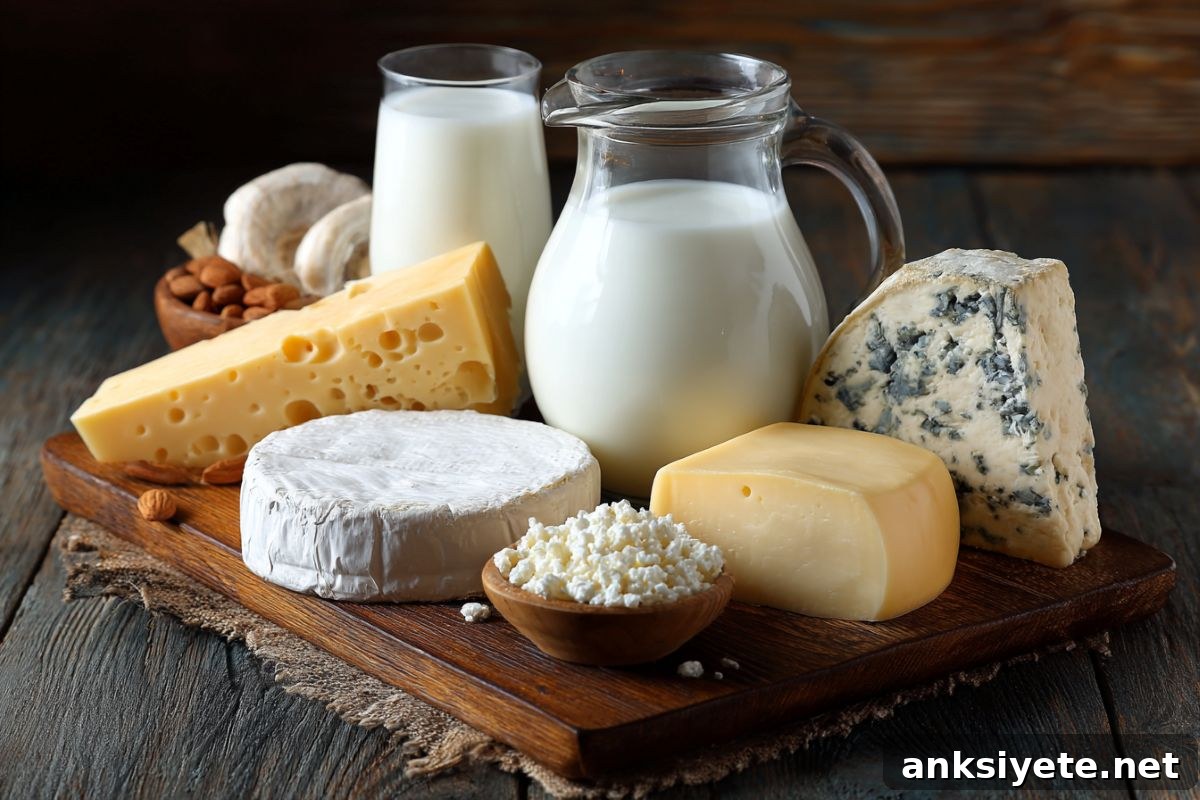
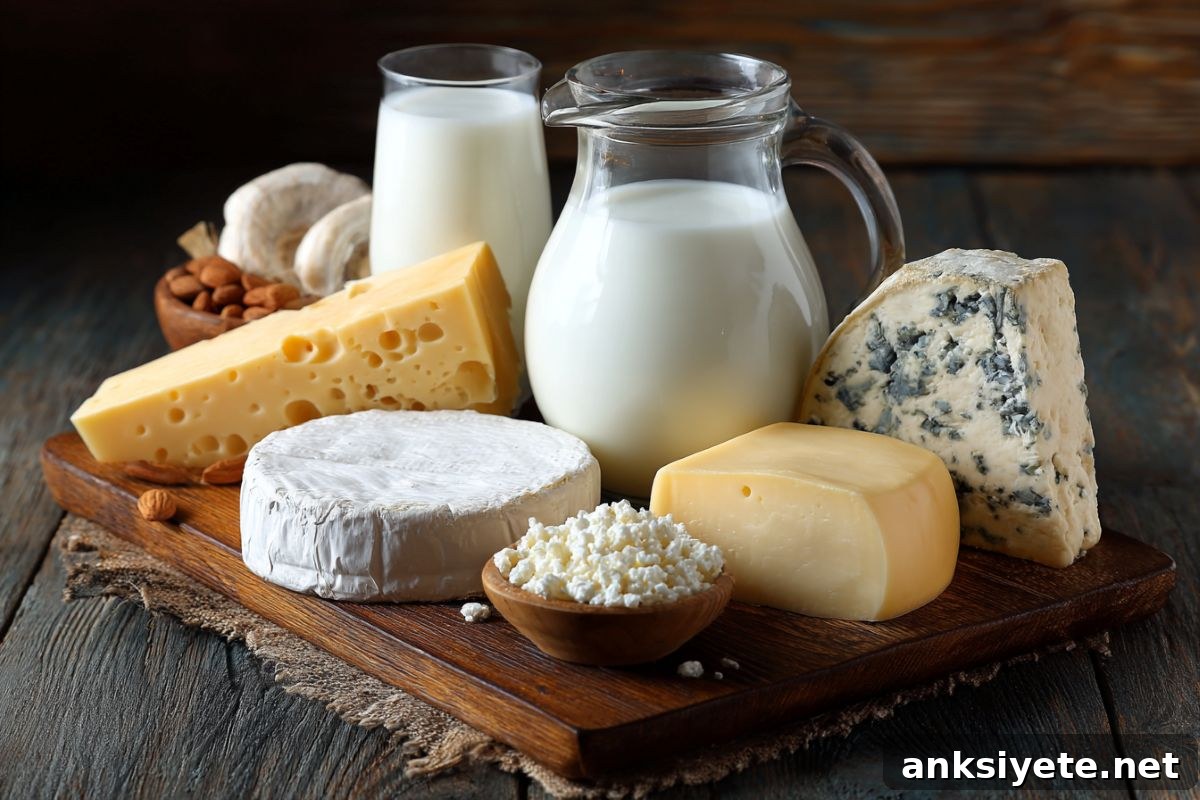
In the study, high-fat cheeses were defined as varieties containing more than 20% fat, including examples such as cheddar, Brie and Gouda. High-fat creams were typical full-fat creams with about 30–40% fat, such as whipping cream or double cream. These items are commonly labeled “full-fat” or “regular” in stores.
“For decades, the high-fat versus low-fat debate has influenced dietary guidance and public perceptions, sometimes labeling cheese as a food to limit,” said Emily Sonestedt, PhD, of Lund University in Sweden. “Our analysis suggests that certain high-fat dairy products may be linked to lower dementia rates, which challenges some common assumptions about dietary fat and brain health.”
The study followed 27,670 Swedish adults who were about 58 years old on average at baseline. Participants were observed for an average of 25 years, during which 3,208 individuals developed dementia. Dietary information was collected through a combination of one-week dietary records and questionnaires asking how often specific foods had been consumed in recent years; participants also described typical food preparation methods.
Investigators compared people who consumed at least 50 grams per day of high-fat cheese—roughly equivalent to two slices of cheddar or half a cup of shredded cheese—to those who consumed less than 15 grams per day (about one typical one-ounce serving). Ten percent of the higher-intake group developed dementia over follow-up, compared with 13% of the low-intake group. After adjusting for age, sex, education and overall diet quality, the higher cheese intake was associated with a 13% lower risk of dementia overall and a 29% lower risk of vascular dementia.
A separate comparison looked at people who consumed 20 grams or more of high-fat cream daily—about 1.4 tablespoons—versus those who consumed none. After similar statistical adjustments, daily consumers of high-fat cream had a 16% lower risk of developing dementia.
Researchers noted a lower risk of Alzheimer’s disease among those with higher cheese intake, but this association appeared only among participants without the APOE e4 gene variant, a known genetic risk factor for Alzheimer’s.
No significant links were seen between dementia risk and intake of low-fat cheese, low-fat cream, milk of either fat level, butter or fermented milk products such as yogurt and kefir. The findings indicate that not all dairy products are associated with the same long-term brain-health outcomes.
Limitations include the observational design, which cannot establish cause and effect, and the fact that the cohort consisted entirely of Swedish adults. Cultural and culinary differences—such as whether cheese is typically eaten uncooked or heated, and how cheese is combined with other foods—may influence results. The authors recommend replication in other populations and additional research to better understand potential biological mechanisms and whether specific components of full-fat dairy might contribute to the observed associations.
Funding: The research was supported by the Swedish Research Council, the Swedish Heart and Lung Foundation, the Crafoord Foundation, the Magnus Bergvall Foundation and the Albert Påhlsson Foundation.
Key Questions Answered:
A: Higher intake of high-fat cheese and cream was associated with a lower risk of dementia in this study, but observational results cannot prove these foods prevent dementia.
A: No. The observed associations were specific to high-fat cheese and high-fat cream; other dairy products did not show meaningful links in this cohort.
A: Yes. A reduced risk of Alzheimer’s associated with higher cheese intake was seen only in people without the APOE e4 gene variant.
Editorial Notes:
- This article was edited by a Neuroscience News editor.
- The journal paper was reviewed in full by the editorial team.
- Additional context was added by staff to clarify methods and limitations.
About this diet and dementia research news
Author: Natalie Conrad
Source: AAN
Contact: Natalie Conrad – AAN
Image: The image is credited to Neuroscience News
Original Research: The findings will appear in Neurology