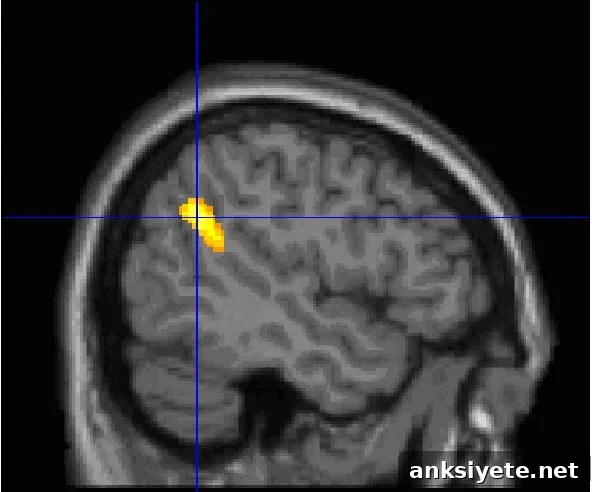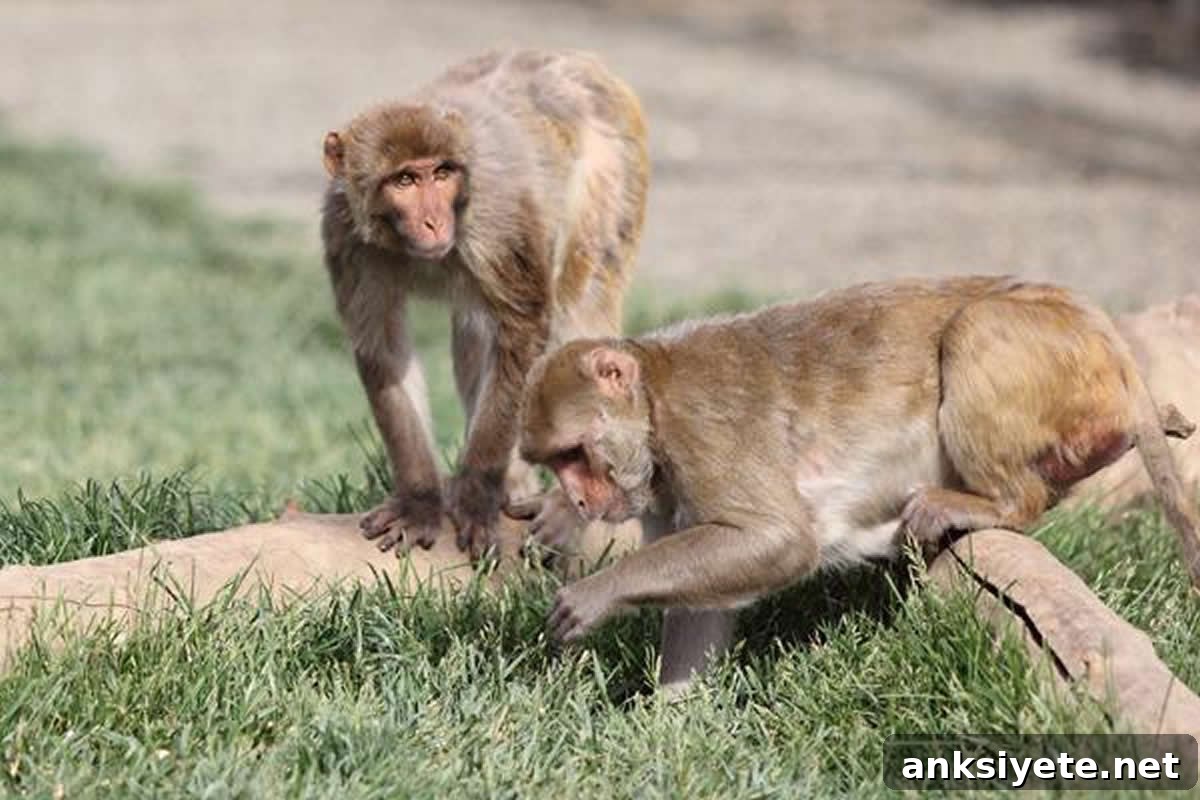
Study Identifies Brain Molecule Driving Anxiety in Animal Model
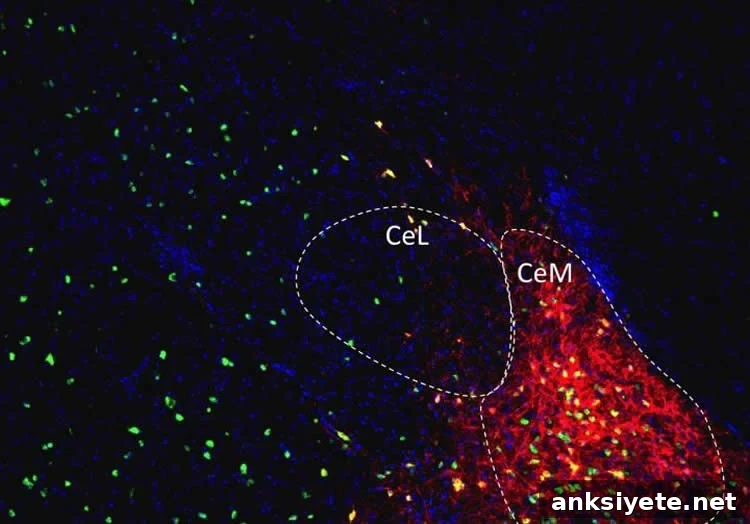
Summary: Increasing levels of neurotrophin-3 in the dorsal amygdala alters dispositional anxiety in nonhuman primates, suggesting a potential pathway for early interventions…
Topic
Topics
Summary: Increasing levels of neurotrophin-3 in the dorsal amygdala alters dispositional anxiety in nonhuman primates, suggesting a potential pathway for early interventions…
Summary: Frequent bouts of common infections such as colds or the flu may accelerate brain aging, contribute to cognitive decline, and raise…
Why does sleeping on it help? New research from the University of Bristol examines how brain activity during sleep sorts the vast…
Summary: Researchers identify SCN3A gene mutations as a cause of early infantile epileptic encephalopathy. Source: CHOP. Researchers have identified mutations in the…
Summary: Researchers report that socially contagious itching appears to be hardwired in the brain. Source: WUSTL Researchers discover why mice scratch in…
Summary: A single psilocybin dose, administered once with psychotherapy, produced sustained reductions in depression, anxiety, hopelessness and existential distress for cancer patients,…
Summary: Chronic stress combined with a high-calorie diet dramatically raises insulin in the amygdala of mice, causing insulin receptors on those neurons…
Summary: Reducing neuroinflammation in the brain before cognitive symptoms appear may slow the progression of Alzheimer’s disease. Source: Experimental Biology New animal…
Women who are night owls show a similar high tendency toward risk-taking as men, according to a study by a University of…
TAU researcher says discovery may lead to improved memory, cognitive function in Alzheimer’s patients. Alzheimer’s disease progressively destroys neurons, particularly in the…
Readers are exploring