How Your Circadian Clock Aids Brain Recovery After Injury
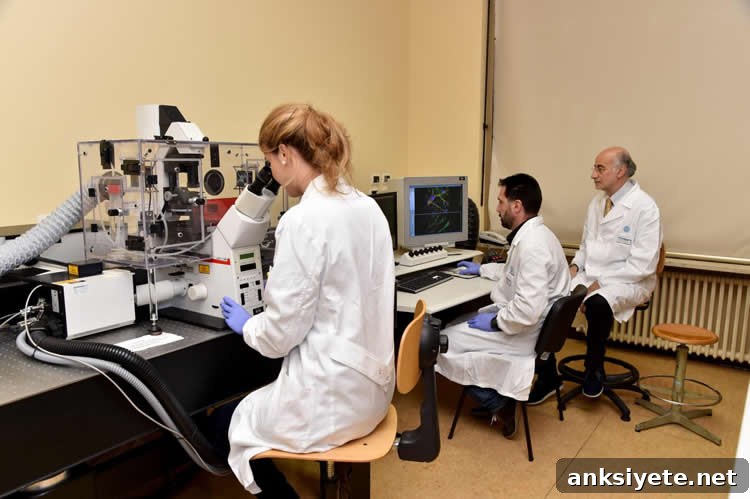
Summary: NG2‑glia, a recently characterized population of self‑renewing brain cells, are regulated by the body’s circadian clock. These results reveal how daily…
Topic
Topics
Summary: NG2‑glia, a recently characterized population of self‑renewing brain cells, are regulated by the body’s circadian clock. These results reveal how daily…
Summary: Strong cardiovascular health is linked to slower biological aging, which could reduce the risk of age-related diseases and increase lifespan. A…
Summary: Meaningful sounds such as speech and music can impair performance on cognitive tasks, while meaningless noise tends to be less disruptive,…
Summary: New research shows that herpes simplex virus type 1 (HSV-1), the virus most commonly associated with cold sores, can invade selective…
Phase 3 results for the Alzheimer’s treatment solanezumab to be presented at the Alzheimer’s Association International Conference 2015 New data from an…
Summary: New research highlights the vital role of bystanders in responding to anti-social behaviour. Across three experimental studies, researchers found that when…
A common protein produced by specialized barrier cells in the brain appears to protect the brain from age-related damage. This protein—MARCKS—helps ependymal…
Summary: Researchers at the University of Melbourne and Austin Health have begun a world-first clinical trial testing whether daily intravenous zinc chloride…
Summary: Researchers have identified the factors that drive the brain to choose specific defensive strategies under threat and have implicated a specific…
It’s hard to view a picture of a car on a screen and not silently say the word “car” to yourself—even when…
Readers are exploring