Experimental Treatments May Reverse Autism Symptoms
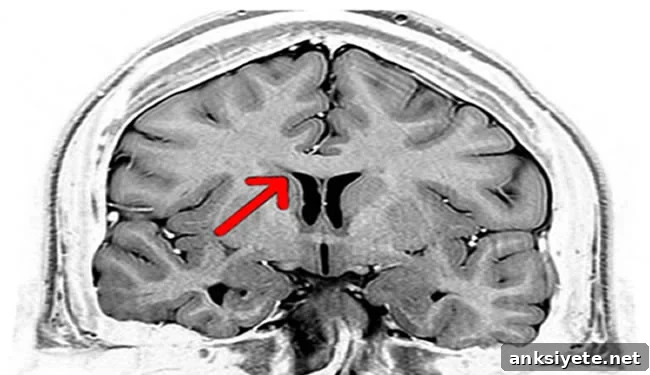
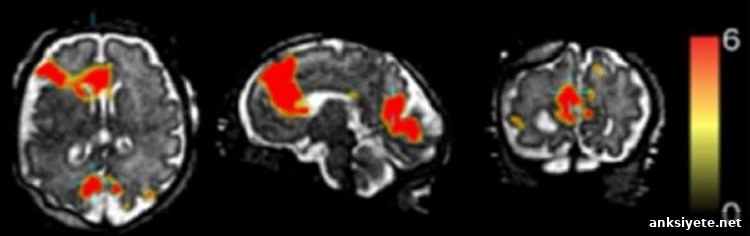
Summary: Scientists at Stanford have identified excessive activity in the reticular thalamic nucleus (RT) as a driver of autism-like behaviors in a…
Topic
Topics
Summary: Scientists at Stanford have identified excessive activity in the reticular thalamic nucleus (RT) as a driver of autism-like behaviors in a…
Summary: A recent study shows that the acoustic qualities and energy level of songs influence the emotional tone and characteristics of the…
Summary: A large genetic analysis has pinpointed more than 400 genes associated with different patterns of unhealthy aging, from cognitive decline to…
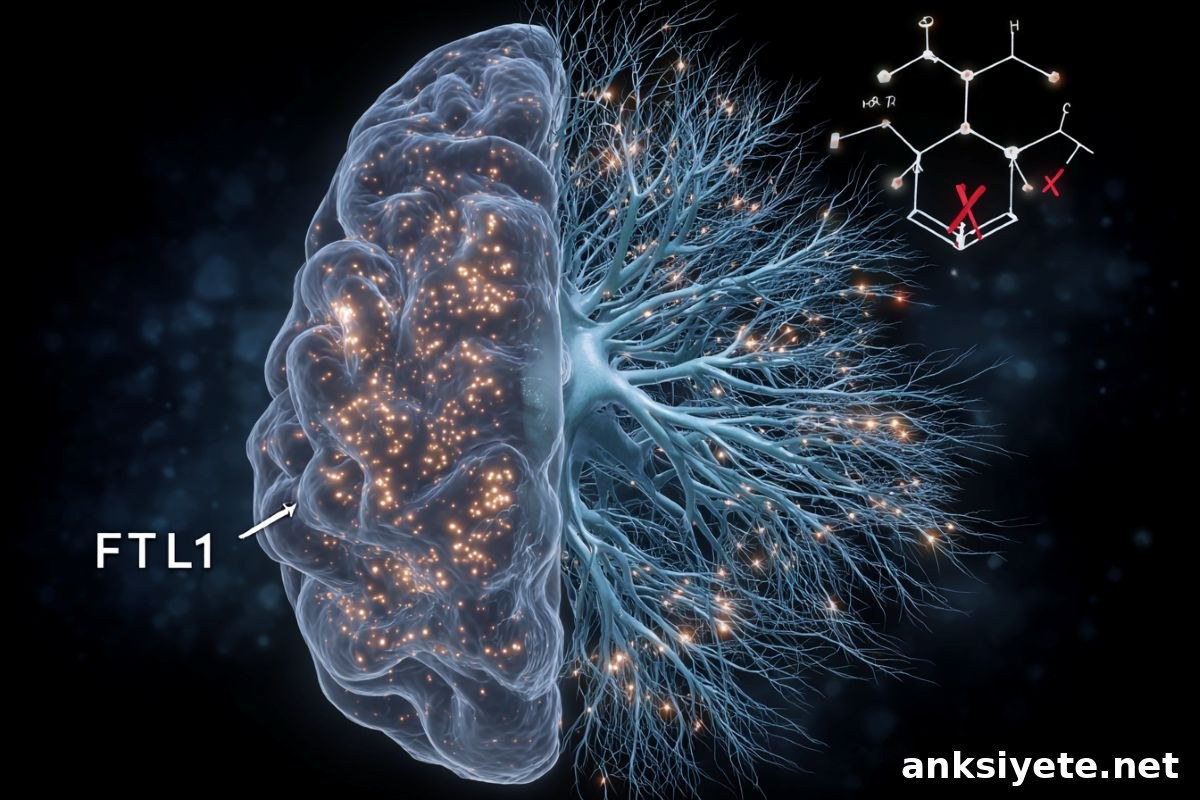
Summary: New research shows that aging interferes with memory by raising levels of the protein FTL1 (ferritin light chain 1) in the…
Summary: Researchers have created an AI-driven method called chronODE that models how genes switch on and off during brain development. By combining…
Summary: A new study reveals why some motor neurons are resistant to degeneration in amyotrophic lateral sclerosis (ALS) while others are vulnerable.…
Summary: Researchers have developed a safe, noninvasive, and painless method to enhance the sense of smell using radiofrequency waves. Instead of relying…
Summary: New research indicates the brain represents hand and tool actions using a compact “action alphabet” housed in the supramarginal gyrus. This…
Summary: New research reveals that the brain leaves subtle, measurable traces of creative insight minutes before an “aha!” moment. By filming mathematicians…
Summary: A new systematic review conducted by researchers at the Icahn School of Medicine at Mount Sinai raises concerns about the safety…
Readers are exploring