
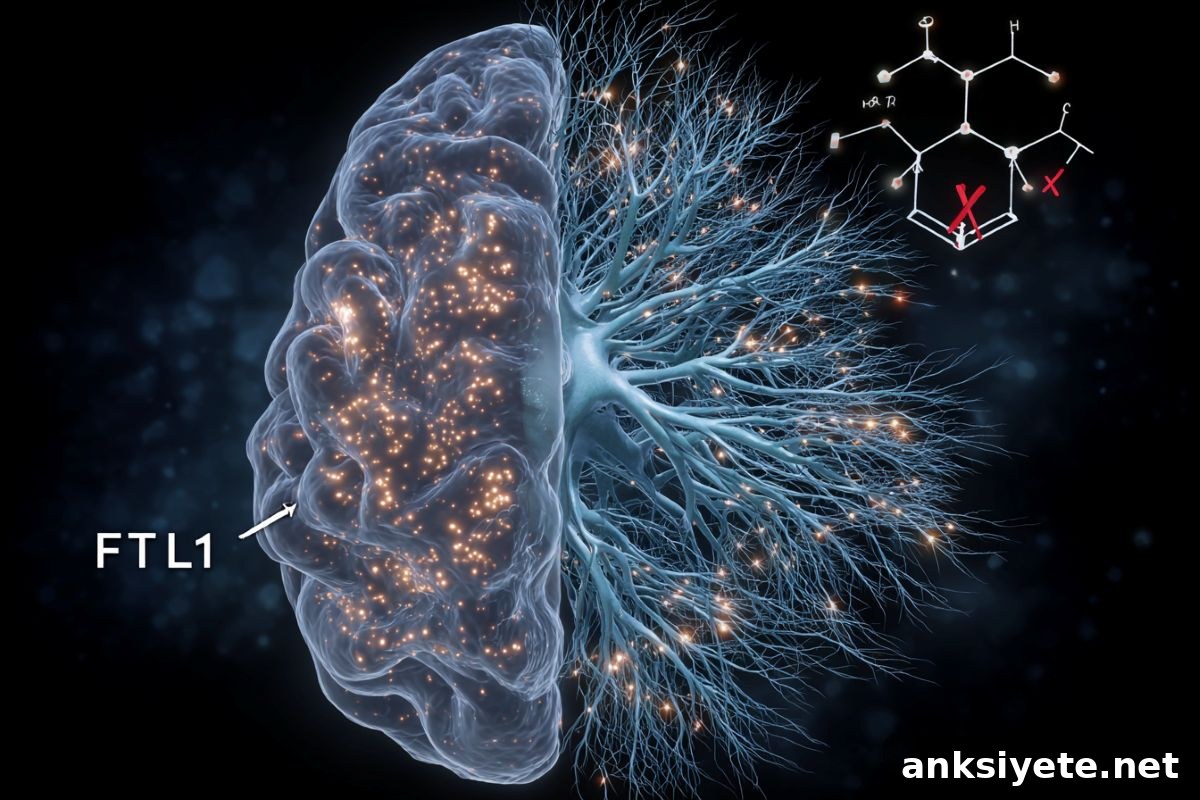
Summary: New research shows that aging interferes with memory by raising levels of the protein FTL1 (ferritin light chain 1) in the hippocampus. In mice, elevated FTL1 caused neurons to adopt simpler, less connected shapes and produced measurable memory decline. Reducing FTL1 in aged animals restored neural connectivity and improved cognitive performance, pointing to a possible path for therapies that reverse age-related memory loss.
Researchers at UC San Francisco analyzed how genes and proteins change in the hippocampus across the lifespan of mice and identified FTL1 as a protein consistently elevated in older animals. The increase in neuronal FTL1 correlated with fewer synaptic connections and poorer performance on memory tests. Experimental manipulation confirmed a causal role: raising FTL1 in young mice produced structural and behavioral changes typical of aging, while lowering FTL1 in old mice restored youthful features of hippocampal circuitry and cognition.
Key Facts
- FTL1 discovery: Ferritin light chain 1 (FTL1) levels rise in the aging hippocampus and are associated with synaptic loss and cognitive decline.
- Demonstrated reversal: Reducing FTL1 in aged mice improved synaptic markers and memory, effectively reversing impairments rather than merely slowing progression.
- Therapeutic potential: Interventions that lower FTL1 or counter its downstream effects may offer routes to restore cognitive function in aging brains.
Source: UCSF
Aging has a pronounced effect on the hippocampus — the brain region central to learning and memory.
The UCSF team combined transcriptomic profiling and mass spectrometry to compare young and old hippocampal tissue and detected a consistent increase in neuronal FTL1 with age. To test the functional consequences, they performed a series of experiments:
- Increasing neuronal FTL1 in young mice altered the balance of labile iron oxidation states and produced synaptic and cognitive features typical of aged hippocampi.
- In cultured neurons, high FTL1 expression caused cells to grow simplified, single-process neurites instead of the complex branching patterns needed for robust connectivity.
- Reducing neuronal FTL1 levels in the hippocampus of aged mice restored synaptic-related molecular signatures and improved performance on memory tasks.
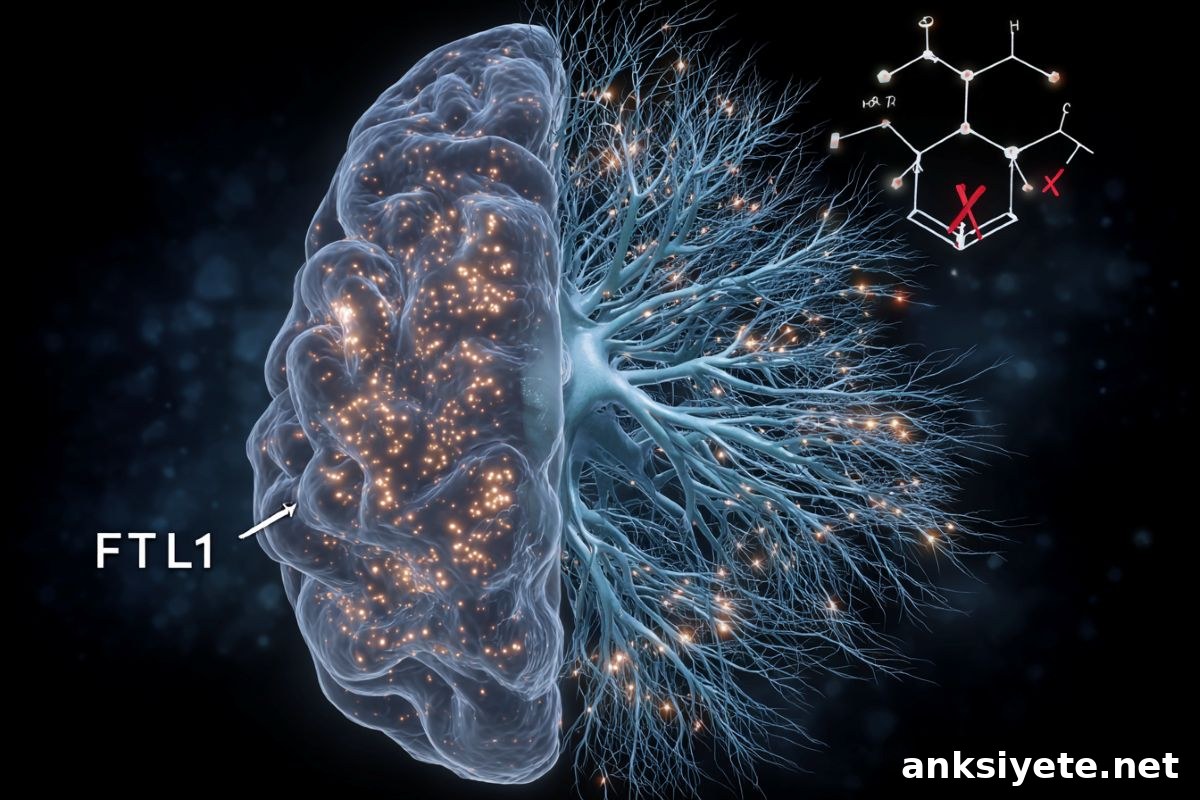
Beyond structural changes, the study linked increased neuronal FTL1 to slowed cellular metabolism, including reduced ATP synthesis. The authors used neuronal nuclei RNA sequencing to identify metabolic pathways altered by FTL1 and found that boosting metabolic function—specifically by supplementing NADH in experimental settings—reduced the pro-aging effects of FTL1 on cognition. This metabolic component suggests dual strategies: directly lowering FTL1 or enhancing metabolic resilience in hippocampal neurons.
“It is truly a reversal of impairments,” said Saul Villeda, PhD, associate director of the UCSF Bakar Aging Research Institute and senior author of the paper, which appears in Nature Aging on Aug. 19. “It’s much more than merely delaying or preventing symptoms.” Villeda and colleagues emphasize that the results demonstrate both causality and reversibility, strengthening the case for FTL1 as a therapeutic target.
In cell culture, treatment with a compound that stimulates metabolism prevented the detrimental structural effects associated with elevated FTL1, indicating that metabolic support can blunt or block downstream consequences. While further work is needed to translate these findings to humans, the data support developing strategies that reduce neuronal FTL1 or compensate for its metabolic impact.
The research team includes lead and collaborating authors from UCSF: Laura Remesal, PhD; Juliana Sucharov-Costa; Karishma J.B. Pratt, PhD; Gregor Bieri, PhD; Amber Philp, PhD; Mason Phan; Turan Aghayev, MD, PhD; Charles W. White III, PhD; Elizabeth G. Wheatley, PhD; Brandon R. Desousa; Isha H. Jian; Jason C. Maynard, PhD; Alma L. Burlingame, PhD; and others. The study was funded in part by the Simons Foundation, the Bakar Family Foundation, the National Science Foundation, the Hillblom Foundation, the Bakar Aging Research Institute, Marc and Lynne Benioff, and the National Institutes of Health (grant numbers AG081038, AG067740, AG062357, P30 DK063720).
About this genetics, aging, and memory research news
Author: Levi Gadye
Source: UCSF
Contact: Levi Gadye – UCSF
Image: The image is credited to Neuroscience News
Original research (open access): “Targeting iron-associated protein Ftl1 in the brain of old mice improves age-related cognitive impairment” by Laura Remesal et al., Nature Aging.
Abstract
Targeting iron-associated protein Ftl1 in the brain of old mice improves age-related cognitive impairment
Understanding the cellular and molecular drivers of age-related cognitive decline is essential to identify targets that can restore cognition in old age. This study identifies ferritin light chain 1 (FTL1), an iron-associated protein, as a pro-aging neuronal factor that impairs cognition. Transcriptomic and mass spectrometry analyses reveal increased neuronal FTL1 in the hippocampus of aged mice, with levels that correlate with cognitive decline. Mimicking this age-related increase in young mice altered labile iron oxidation states and promoted synaptic and cognitive features of hippocampal aging. Targeting neuronal FTL1 in the hippocampi of aged mice improved synaptic-related molecular profiles and cognitive impairments. Neuronal nuclei RNA sequencing detected changes in metabolic processes, including ATP synthesis, and enhancing metabolic function through NADH supplementation mitigated the pro-aging effects of neuronal FTL1 on cognition. These data identify neuronal FTL1 as a key molecular mediator of cognitive rejuvenation.