
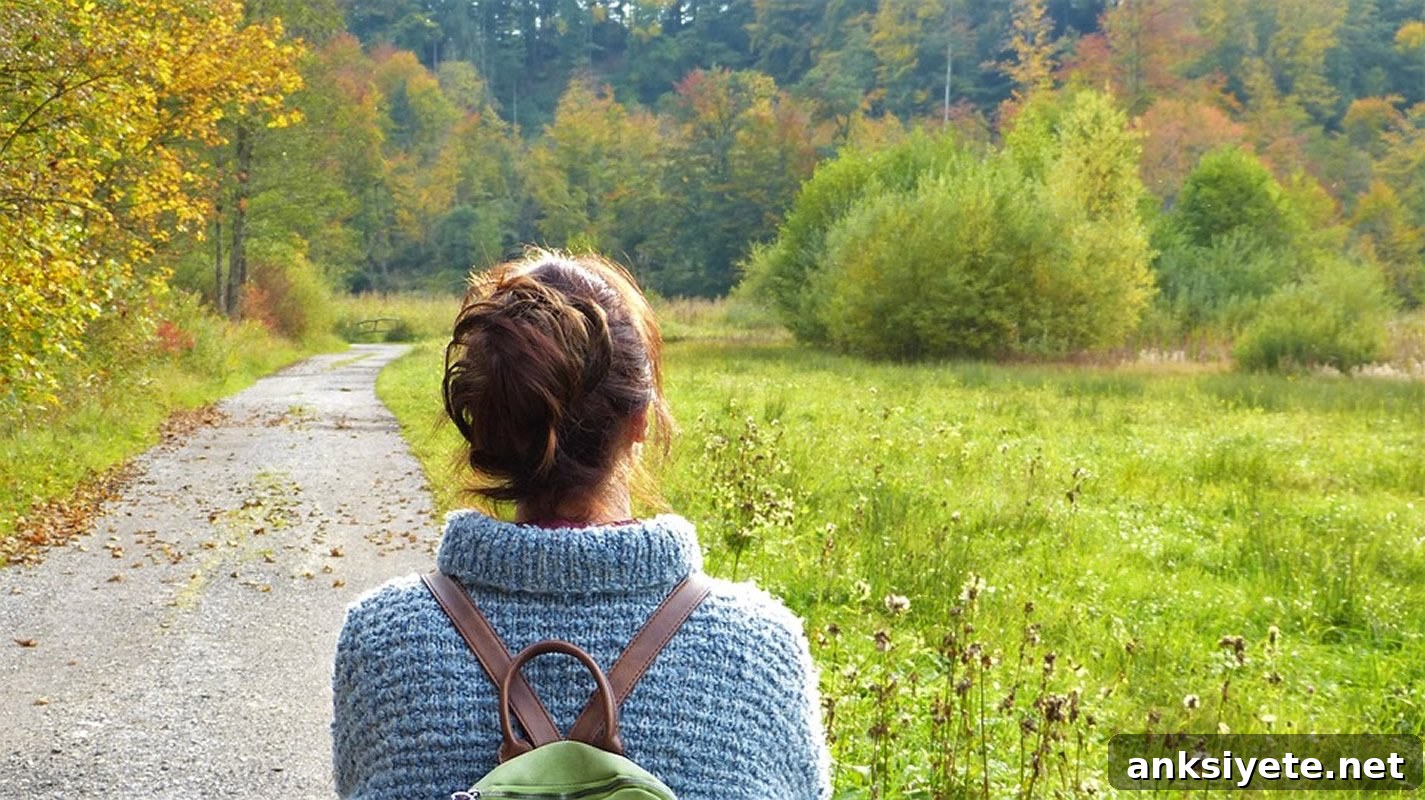
Summary: Time spent in natural environments reliably supports psychological well-being and physical health. For people who cannot access green spaces directly, new research indicates that virtual contact with nature—through film, video, augmented reality, or immersive virtual reality—can reproduce many of these positive effects and provide measurable boosts to mood, attention, and stress recovery.
Source: The Conversation
Many people intuitively recognize that nature lifts the spirits. Whether it’s a walk through a rainforest, a swim in the ocean, or a quiet moment observing plants and wildlife, natural settings offer relief from daily stressors and mental fatigue. Research across psychology and environmental science has documented consistent links between exposure to nature and improved mood, lower stress, and enhanced cognitive functioning.
In 1984 sociobiologist Edward O. Wilson coined the term “biophilia” to describe the innate human tendency to seek connections with other living organisms and living systems. This emotional affiliation with nature helps explain why natural scenes and experiences often feel restorative and calming.
“Biophilia, if it exists, and I believe it exists, is the innately emotional affiliation of human beings to other living organisms.”
There is substantial empirical support showing that spending time in nature improves psychological wellbeing and physiological markers of health. The documented benefits include reduced stress hormone levels, reductions in anger and fatigue, increases in positive affect, fewer symptoms of attention-deficit/hyperactivity disorder in children, and reduced depressive symptoms in adults.
Why natural settings improve mood and cognition
Two influential theories explain how nature benefits our mental state. Attention Restoration Theory proposes that natural environments restore depleted attentional resources. Everyday tasks and prolonged focus can exhaust our directed attention; brief exposure to natural content—scenic views, gentle movement, and non-demanding stimuli—gives attention a chance to recover, leading to improved concentration and mental clarity.
Stress Reduction Theory complements this by focusing on emotion and physiology. According to this view, non-threatening natural environments elicit positive emotional responses that reduce physiological arousal and support recovery from stress. Our evolutionary history likely shaped an instinctive preference for environments that signalled food, safety, and opportunity, so these settings naturally promote calm and wellbeing.
Virtual nature can reproduce many of the benefits
Importantly, exposure to nature does not always require direct, in-person access to green or wild spaces. A growing body of research shows that simulated nature—delivered via moving images, films, 360-degree videos, augmented reality (AR), or immersive virtual reality (VR)—can replicate several psychological benefits of real nature.
Meta-analyses and experimental studies comparing natural and urban environments consistently find that natural scenes are associated with higher positive mood and lower stress. Laboratory and field experiments further indicate that immersive simulated nature (for example, an interactive VR forest or coastline) tends to produce larger benefits than less immersive formats such as static photographs. Simulated wild nature often boosts positive affect and attention restoration, while urban green spaces tend to reduce negative mood.
For people who cannot travel to parks, forests, or seascapes—due to mobility limits, hospitalisation, dense urban living, or work constraints—virtual nature offers a practical alternative. Interactive and realistic simulations, including augmented reality overlays or high-quality videos that capture natural movement, light, and sound, are particularly effective at producing restorative outcomes.

Practical ways to increase daily contact with nature
Because modern life often places people in built, indoor environments, intentionally incorporating natural content can support wellbeing where direct access is limited. Simple strategies include displaying high-quality videos of natural scenes on screens, using immersive VR or AR experiences when possible, installing living green walls, or introducing potted plants and natural textures into offices, hospitals, schools, and apartments. Even short, regular exposures to natural imagery or ambient natural sounds can help restore attention and reduce stress over time.
Designers, facility managers, mental health practitioners, and urban planners can all use virtual and simulated nature to improve environments that lack easy access to outdoor green space. High-immersion formats tend to produce stronger outcomes, but lower-cost options—photographs, looping videos, or small indoor plantings—also deliver meaningful benefits.
Funding: Navjot Bhullar has previously received funding from the NSW Environment Trust and currently receives funding from the Cotton Research Development Corporation. She is the National Convener of the Australian Psychological Society (APS) Psychology and the Environment Interest Group.
Source:
The Conversation
Media contacts:
Navjot Bhullar – The Conversation
Image source:
The image is credited as public domain.