
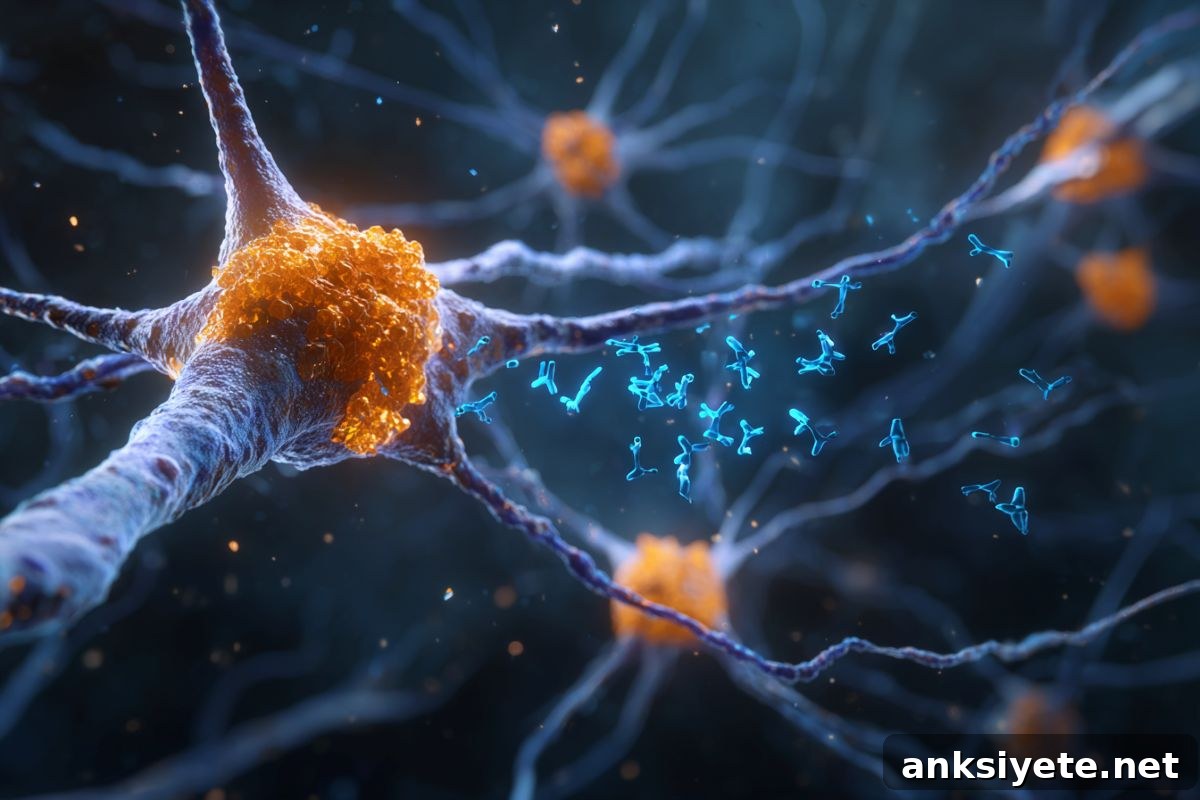
Summary: Researchers have identified a promising new target to slow the progression of Parkinson’s disease (PD). The study finds that glycoprotein nonmetastatic melanoma B (GPNMB) promotes the cell-to-cell spread of pathological alpha-synuclein, and that monoclonal antibodies that block GPNMB can interrupt this process in preclinical models, pointing toward a potential disease‑modifying therapy.
Using monoclonal antibodies to neutralize GPNMB, scientists were able to disrupt a self-reinforcing cycle that amplifies alpha-synuclein pathology in laboratory models. These findings suggest a new therapeutic approach focused on slowing neurodegeneration at early stages of PD.
Key Research Findings
- The alpha-synuclein driver: Parkinson’s progresses when misfolded alpha-synuclein forms toxic clumps that move from damaged neurons into healthy ones, causing dysfunction and death of successive neurons and the familiar motor and nonmotor symptoms of PD.
- Microglia as a source of GPNMB: The brain’s immune cells, microglia, are a principal source of GPNMB. When neurons become injured or die, microglia increase GPNMB production and release a soluble form of the protein that can travel between cells.
- A self-reinforcing cycle: Evidence supports a feedback loop in which alpha-synuclein injury triggers microglial GPNMB secretion, and secreted GPNMB enhances neuronal uptake of alpha-synuclein, accelerating spread and further neurodegeneration.
- Human relevance: Analysis of 1,675 postmortem brains found that genetic variants linked to higher GPNMB expression are associated with more extensive alpha-synuclein pathology in humans.
- Specificity for Parkinson’s: Elevated GPNMB levels correlated with alpha-synuclein pathology characteristic of PD and did not align with markers of other neurodegenerative diseases such as Alzheimer’s disease.
Source: University of Pennsylvania
Monoclonal antibodies block an immune-related protein that drives spread of brain cell damage in Parkinson’s disease.
A new study from researchers at the Perelman School of Medicine at the University of Pennsylvania, published in Neuron, shows that the protein GPNMB may be a viable target for therapies designed to slow or halt the progression of Parkinson’s disease. By targeting GPNMB with monoclonal antibodies in preclinical systems, the team was able to prevent the propagation of pathogenic alpha-synuclein between neurons.
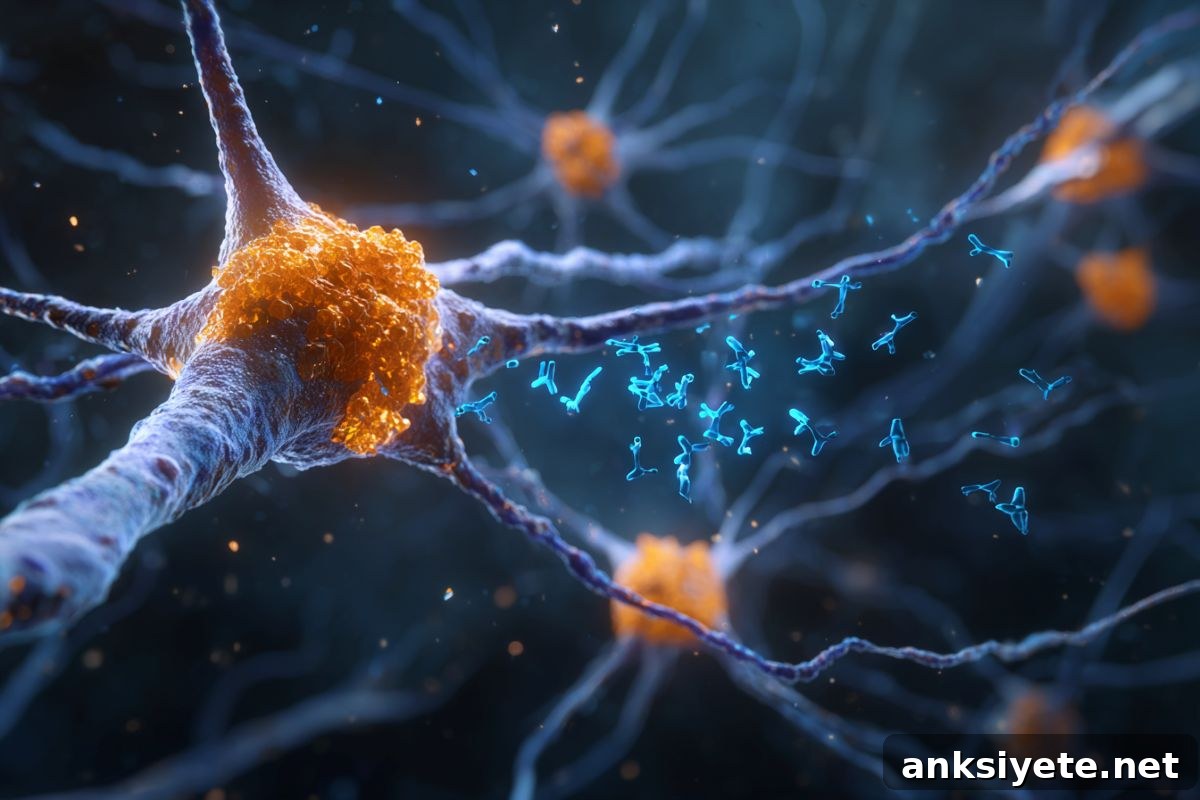
“Many patients with Parkinson’s disease are diagnosed in early stages when symptoms are mild, but no therapy today slows the disease’s progression,” said lead author Alice Chen-Plotkin, MD. “These early results point to a potential route for developing a treatment that modifies disease course rather than only treating symptoms.”
How Parkinson’s disease spreads through the brain
Parkinson’s disease affects more than one million people in the United States, with tens of thousands of new diagnoses each year. While the ultimate cause of PD remains incompletely understood, the spread of pathological alpha-synuclein through brain networks is a well-supported mechanism that underlies progressive neuronal loss and worsening clinical symptoms, such as tremor, bradykinesia, and balance problems.
Pathological alpha-synuclein forms fibrils and aggregates inside neurons. These aggregates impair neuronal function and, when released, can be taken up by neighboring neurons, propagating pathology across brain regions. Current treatments, from levodopa to deep-brain stimulation, can improve symptoms but do not prevent the molecular processes that drive neurodegeneration.
Microglia and GPNMB: unexpected targets for therapy
Earlier work identified GPNMB as a key molecule in promoting alpha-synuclein spread. The current study builds on that finding by pinpointing microglia as a primary source of disease-relevant GPNMB. When microglia encounter injured or dying neurons, they increase expression and secretion of GPNMB. Proteases release the extracellular portion of the protein, creating a soluble form that facilitates neuronal uptake of fibrillar alpha-synuclein.
In cultured neuron and microglia systems, researchers developed monoclonal antibodies that bind the extracellular form of GPNMB. These antibodies prevented the cell-to-cell transfer of alpha-synuclein pathology, rescuing neurons from developing aggregates. The results support the idea that blocking secreted GPNMB can interrupt the pathological cascade.
“The data suggest a positive feedback loop: alpha-synuclein accumulation injures neurons, injured neurons prompt microglial GPNMB secretion, and secreted GPNMB increases neuronal uptake of alpha-synuclein, driving further damage,” Chen-Plotkin said. “Breaking this cycle could slow or stop the advancing neurodegeneration in PD.”
Toward a disease‑modifying therapy
To link laboratory findings to human disease, the investigators examined 1,675 brains from the Penn Brain Bank. Individuals with genotypes predicting higher GPNMB expression had more widespread alpha-synuclein pathology, strengthening the connection between GPNMB and Parkinson’s progression. Notably, raised GPNMB was not associated with measures of other neurodegenerative conditions, underscoring its relevance to PD specifically.
While these results are encouraging, the team emphasizes that further preclinical work and safety testing are required before antibody therapies targeting GPNMB can move into clinical trials. Nonetheless, this approach represents a promising strategy for creating the first disease‑modifying treatment for Parkinson’s disease.
Funding: This study received support from the National Institutes of Health (R37 NS115139, P30 AG010124, U19 AG062418, P01 AG084497), SPARK‑NS, the Parker Family Chair, and the Lipman Family Fund.
Key Questions Answered
A: Existing medications such as levodopa treat symptoms but do not stop the underlying spread of toxic alpha-synuclein. The anti-GPNMB antibody approach is intended to be disease‑modifying by preventing the protein interactions that promote pathology propagation.
A: The monoclonal antibodies bind to the extracellular form of GPNMB, preventing it from facilitating neuronal uptake of alpha-synuclein fibrils and thereby reducing the spread of pathological seeds to neighboring cells.
A: No. Results from laboratory models and human tissue analyses are promising, but additional research, safety studies, and clinical trials are needed before this approach can be tested in patients.
Editorial Notes
- This article was edited by a Neuroscience News editor.
- The full journal paper was reviewed.
- Additional context was added by editorial staff.
About this Parkinson’s disease research news
Author: Eric Horvath
Source: University of Pennsylvania
Contact: Eric Horvath – University of Pennsylvania
Image: The image is credited to Neuroscience News
Original Research: Open access. “Secreted GPNMB enhances uptake of fibrillar alpha-synuclein in a non-cell-autonomous process that can be blocked by anti-GPNMB antibodies” by Marc Carceles-Cordon et al., Neuron. DOI: 10.1016/j.neuron.2026.04.033
Abstract
Secreted GPNMB enhances uptake of fibrillar alpha-synuclein in a non-cell-autonomous process that can be blocked by anti-GPNMB antibodies
Glycoprotein nonmetastatic melanoma B (GPNMB) is critical for the cellular uptake of pathological forms of alpha-synuclein (aSyn), the signature disease protein in Parkinson’s disease. This study shows that the soluble extracellular domain of GPNMB acts in a non-cell-autonomous manner to increase neuronal uptake of aSyn fibrils.
In the human brain, GPNMB is broadly expressed by neurons and microglia. In induced pluripotent stem cell-derived microglia, GPNMB expression and secretion rise after exposure to apoptotic neurons. In a model seeded with aSyn fibrils, microglia-derived GPNMB increases neuronal aSyn uptake and the formation of aSyn pathology, even in neurons lacking GPNMB. Conversely, anti-GPNMB antibodies protect neurons from developing aSyn aggregates. In 1,675 human postmortem cases, GPNMB genotypes that increase expression are associated with more extensive aSyn pathology.
These findings support a positive feedback loop: neurodegeneration stimulates microglial GPNMB secretion, which increases neuronal aSyn pathology and further neurodegeneration. Importantly, this pathogenic cycle can be interrupted by anti-GPNMB antibodies, offering a potential avenue for disease‑modifying therapy in Parkinson’s disease.