Argus II “Bionic Eye” Delivers Lasting Vision Benefits in Three-Year Clinical Trial
Patients implanted with the Argus II retinal prosthesis experienced meaningful improvements in visual function and quality of life.
The three-year results from a multicenter clinical trial confirm the long-term efficacy, safety and reliability of the Argus II retinal implant, commonly referred to as the “bionic eye.” The study evaluated the device in people blinded by retinitis pigmentosa, a rare, progressive degenerative eye disease, and found that the system provided measurable improvements in vision-related tasks and in everyday functioning. These findings were published in the journal Ophthalmology and provide robust evidence that the Argus II can restore useful vision to some patients with advanced retinal degeneration.
How the Argus II Works
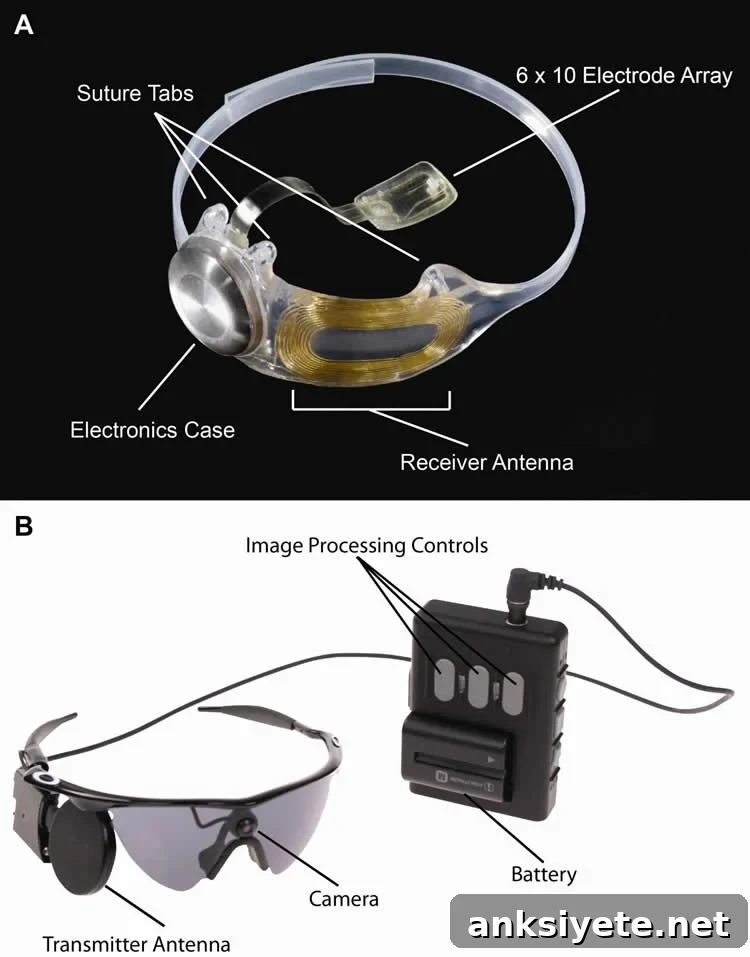
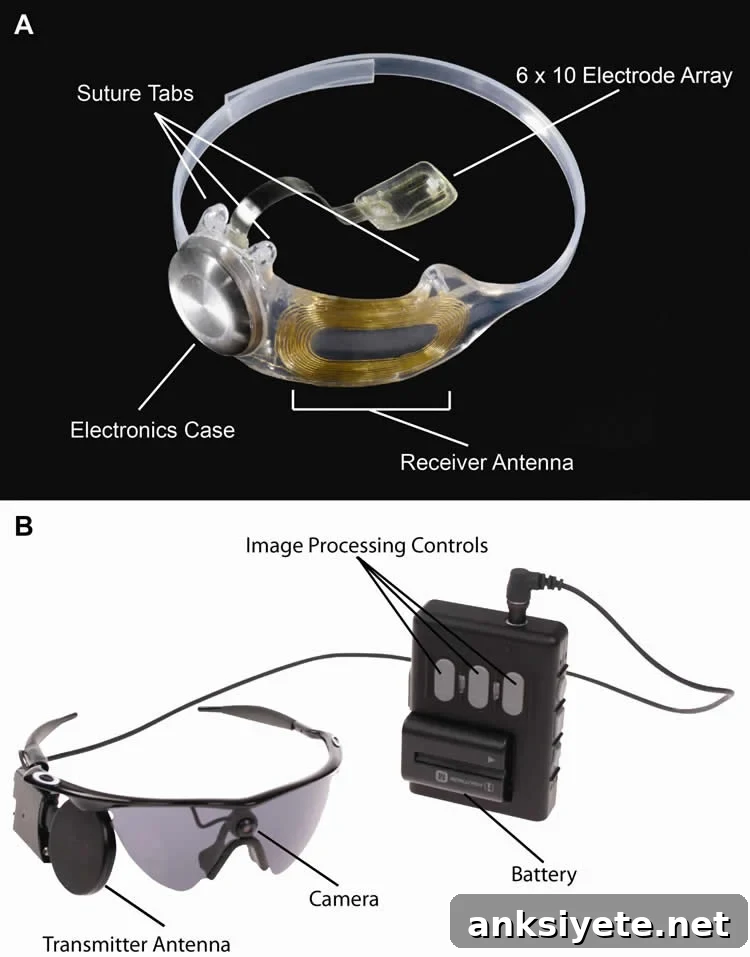
Retinitis pigmentosa affects approximately 1 in 4,000 people in the United States and leads to gradual vision loss that often culminates in profound blindness. The Argus II system was developed to offer partial vision restoration for individuals with severe retinal degeneration. The system captures visual scenes using a miniature camera mounted on the patient’s glasses. That visual data is processed by a small, portable video processing unit carried by the user and converted into electronic signals. These signals are transmitted wirelessly to an implanted electrode array on the retina, stimulating the remaining retinal cells so the brain can learn to interpret patterns of light as visual information.
Regulatory Status and Availability
Argus II received the U.S. Food and Drug Administration approval as a Humanitarian Use Device (HUD) in 2013, a designation for devices intended to benefit small or rare patient populations. The device also earned the CE mark in Europe in 2011 and has been made available commercially in multiple European countries, including Italy, Germany, France, Spain, The Netherlands, Switzerland and England.
Study Design and Participants
The safety and benefit of the Argus II were assessed in a prospective clinical trial that enrolled 30 participants between the ages of 28 and 77 in centers across the United States and Europe. All participants had little or no light perception in both eyes prior to implantation. To evaluate outcomes, researchers used a combination of controlled laboratory tests and real-world tasks. Laboratory assessments included vision tests on a computer screen, while real-world tasks measured practical abilities such as locating and touching a door and identifying and following a line on the ground.
Functional Outcomes and Quality of Life
Overall visual function improved substantially for most participants. Up to 89 percent of subjects performed significantly better on vision tests with the device than without it. In addition to objective test results, investigators used an independent Functional Low-vision Observer Rated Assessment (FLORA) requested by the FDA to evaluate the device’s impact on daily life. FLORA combines expert observation with patient interviews and home-based tasks to capture both functional vision and patient-reported quality of life. According to FLORA assessments, 80 percent of participants derived a meaningful benefit from the system; importantly, none of the study participants reported a net negative effect on their daily functioning.
Safety and Durability
Safety outcomes showed that two-thirds of participants experienced no device- or surgery-related serious adverse events within the first year after implantation. Over the full three-year follow-up, no device failures were reported. In total, 11 participants experienced serious adverse events during the study period; most of these events occurred soon after implantation and were resolved with appropriate medical or surgical treatment. One subject ultimately required device removal due to recurrent tissue erosion related to a damaged suture tab.
Lead author Allen C. Ho, M.D., director of the clinical retina research unit at Wills Eye Hospital, summarized the significance of the findings: “This study shows that the Argus II system is a viable treatment option for people who are profoundly blind from retinitis pigmentosa. It can make a meaningful difference in patients’ lives, and the benefits can be sustained over time.” He also noted the potential for future research to explore expanded uses of the technology for other retinal diseases and ocular injuries.
Funding: This research was supported by the National Institutes of Health, the NIH/National Eye Institute, and Second Sight Medical Products, Inc.
Source: Dayle Kern – American Academy of Ophthalmology
Image credit: Second Sight Medical Products, Inc.
Original research: The clinical trial results were published in the journal Ophthalmology during the week of June 22, 2015.