
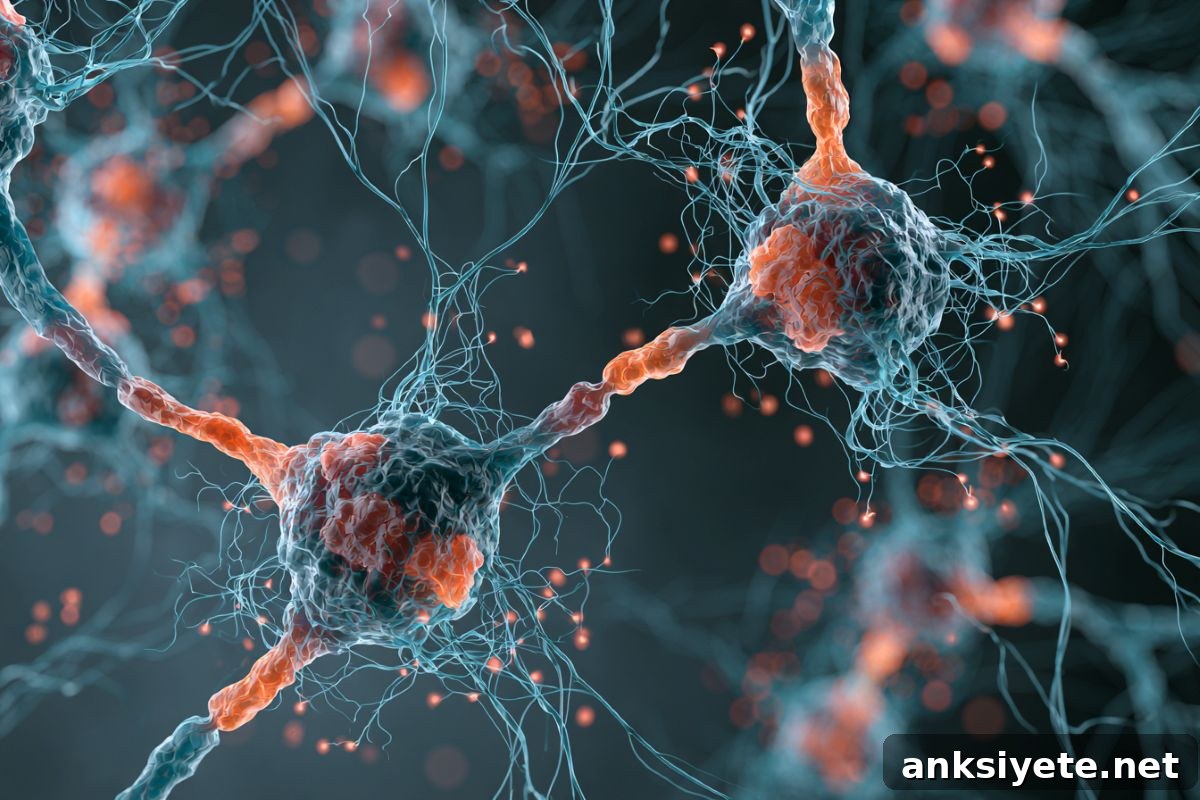
Summary: Researchers developed a precise patterned stimulation protocol called REPOPS (Repeated Electroconvulsive-like Patterned Optical/Electrical Stimulation) in mice to reproduce the neural activation signature of electroconvulsive therapy (ECT). The results reveal a dramatic cellular transformation: intensive ECT-like stimulation pushes fully mature, non-dividing adult neurons into an active process of cellular dematuration, a reversible shift toward an earlier, highly plastic developmental state.
This shift involves an unexpected form of nuclear reprogramming driven by the cell-cycle regulator Cyclin B. Mature neurons reorganize their nuclear architecture and gene expression patterns, temporarily adopting features typical of early postnatal neurons while remaining viable and functionally active.
Key Facts
- Cellular dematuration as a durable state: Genome-wide transcriptomics show that REPOPS suppresses adult neuronal marker genes and reactivates gene programs characteristic of early postnatal development. Genome-wide chromatin accessibility mapping confirms broad, lasting changes to chromatin structure, indicating the dematured state can persist for more than a month.
- Partial cell-cycle program activation in post-mitotic neurons: Surprisingly, stimulated neurons expressed gene networks normally associated with the G2/M phase of dividing cells. Structural hallmarks of mitosis—histone phosphorylation, partial nuclear lamina disassembly, and chromatin condensation—appeared, consistent with a controlled, partial reorganization of nuclear structure rather than cell division.
- Cyclin B is required for reprogramming and behavioral benefit: Using genome editing, researchers showed that mice lacking Cyclin B failed to undergo nuclear reprogramming and did not show the behavioral improvements produced by REPOPS. This identifies Cyclin B as a critical molecular gatekeeper for the stimulation-induced shift in cellular state and for therapeutic-like effects.
- An “intermediate state” of heightened plasticity: In vivo calcium imaging revealed that REPOPS does not simply increase or decrease activity globally. Instead, neuronal coding reorganizes: spatial map representations were suppressed while speed-related navigation signals were enhanced, a configuration that persisted for weeks and reflects a distinct intermediate functional state.
- Evidence consistent with human ECT: Reanalysis of postmortem RNA sequencing from patients with mood disorders showed a similar immature-like gene expression signature in the human dentate gyrus among individuals who had received ECT, supporting translational relevance of the mouse findings.
- Therapeutic promise and caution: The intermediate, dematured state provides a window of elevated structural plasticity that likely underlies ECT’s rapid antidepressant effects. However, the same nuclear reprogramming could be harmful if triggered inappropriately—for example, during neurodegeneration or uncontrolled pathological activity—so careful application and further study are necessary.
Source: Fujita Health University
Nearly 90 years after Ugo Cerletti and Lucio Bini introduced electroconvulsive therapy, electrical and magnetic brain stimulation therapies such as ECT and repetitive transcranial magnetic stimulation (rTMS) remain important clinical tools for treating depression and other psychiatric disorders. Despite clinical efficacy, the cellular mechanisms that produce durable changes in brain function have been poorly defined. To address this gap, the research team implemented REPOPS in mice to mimic ECT-like neuronal activation patterns and study molecular, structural, and functional consequences in the dentate gyrus.
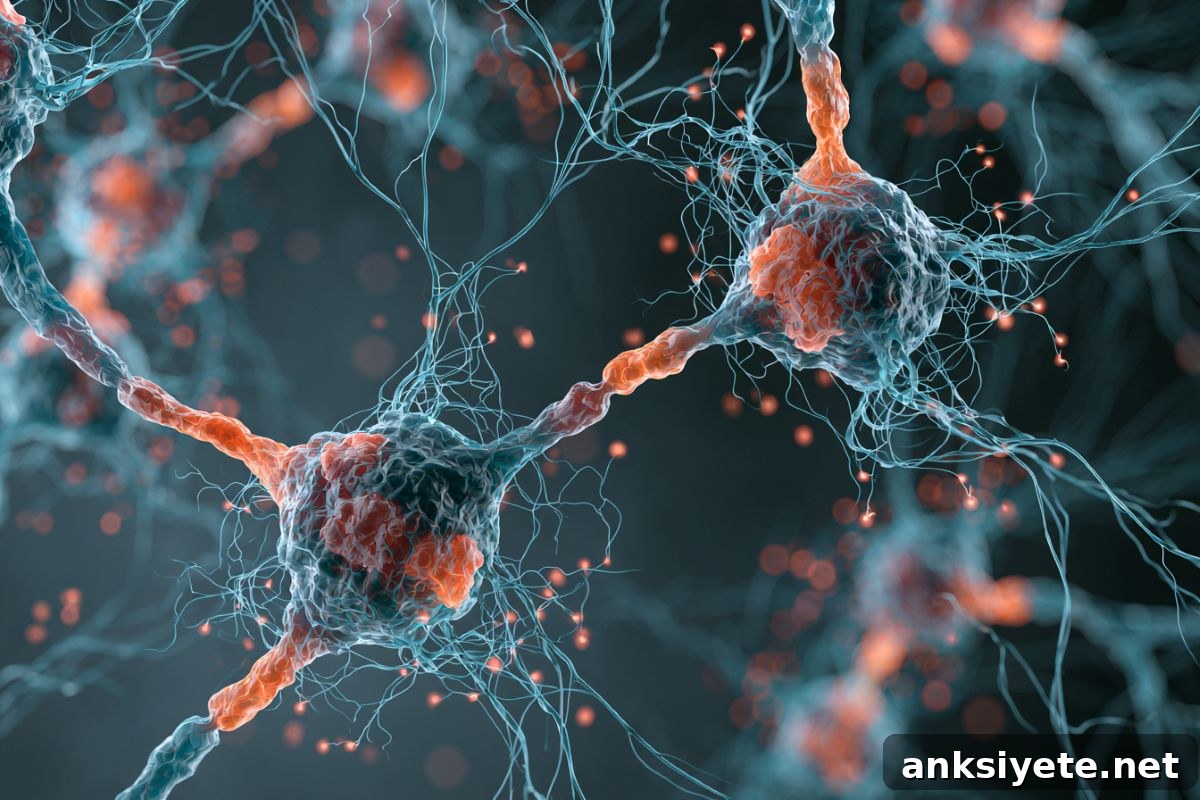
Behaviorally, mice exposed to REPOPS exhibited increased locomotion and reduced depression-like behaviors, effects that were sustained and reminiscent of therapeutic ECT outcomes. At the molecular level, brief stimulation produced only transient changes, whereas a ten-day stimulation protocol established a stable dematured state lasting beyond one month. Chromatin mapping supported a long-lasting epigenetic remodeling that accompanies the transcriptional shift toward early developmental programs.
Unexpected activation of G2/M-associated programs in mature neurons
A detailed gene expression analysis uncovered an unanticipated signature: stimulated adult neurons transiently activate genes typically expressed during the G2/M phase of the cell cycle. Corresponding nuclear changes—histone phosphorylation, partial breakdown of the nuclear lamina, and chromatin condensation—point to a controlled nuclear remodeling process. Genetic deletion of Cyclin B attenuated both the molecular reprogramming and behavioral effects, implicating Cyclin B as an essential mediator of this process.
An intermediate functional state with altered information coding
Microscopic calcium imaging in behaving mice showed that REPOPS reorganizes how neurons encode information rather than globally silencing or overexciting circuits. The stimulation produced a reproducible pattern: suppression of spatial mapping and enhancement of speed-related coding that persisted for weeks. These functional changes align with the idea of an intermediate, highly plastic state that is neither fully mature nor fully immature.
Collectively, the molecular, nuclear structural, and functional evidence supports a model in which repeated neuronal activation triggers stimulus-regulated nuclear reprogramming and durable cellular dematuration. This mechanism provides a plausible cellular basis for the rapid and lasting therapeutic actions of ECT-like stimulation, while also highlighting potential risks if similar reprogramming occurs in inappropriate contexts.
“Nuclear reprogramming—the capacity of neurons to reshape their identity—is a mechanism we had not anticipated,” said Prof. Miyakawa. “These findings offer a new framework for understanding how durable changes in neural function can arise and may point to ways to refine stimulation-based therapies.”
Key Questions Answered
A: The study indicates neurons can selectively engage early stages of the division program—especially G2/M-associated processes—without completing cell division. Proteins such as Cyclin B appear to be repurposed to loosen nuclear structure and chromatin packing, enabling large-scale transcriptional reprogramming while avoiding cell division and cell death.
A: Cellular dematuration is a reversible shift in mature neurons toward gene expression and nuclear states resembling early postnatal development. This transient increase in plasticity may allow the brain to break free from entrenched pathological circuits—such as those maintaining severe depression—and form new, healthier connections.
A: Imaging data show the brain’s activity patterns are reorganized rather than erased. The intermediate state alters how information is encoded (e.g., shifting emphasis from spatial maps to speed coding) but preserves overall function. The changes stabilize and return toward baseline over time, consistent with a controlled and temporary remodeling rather than permanent cognitive loss.
Editorial Notes
- This article was edited by a Neuroscience News editor.
- Journal paper reviewed in full by the editorial team.
- Additional context added by staff to clarify experimental findings and clinical relevance.
About this neuroscience research news
Author: Hisatsugu Koshimizu
Source: Fujita Health University
Contact: Hisatsugu Koshimizu – Fujita Health University
Image: Credit to Neuroscience News
Original Research: Open access. “Repetitive Neuronal Activation Regulates Cellular Maturation State via Nuclear Reprogramming” by Tomoyuki Murano et al., Nature Communications. DOI: 10.1038/s41467-026-74202-w
Abstract
Repetitive Neuronal Activation Regulates Cellular Maturation State via Nuclear Reprogramming
Neural stimulation approaches such as electroconvulsive therapy (ECT) and repetitive transcranial magnetic stimulation (rTMS) are effective treatments for various psychiatric disorders, yet their cellular mechanisms have remained unclear. Using repeated optogenetic activation of dentate gyrus neurons in the mouse, the study reproduces ECT-relevant behavioral improvements and reveals a durable dematured cellular state characterized by nuclear structural changes, a G2/M-like transcriptional signature, and altered neural coding. Cyclin B knockout attenuates several cellular and behavioral effects, showing that repeated stimulation can drive stimulus-regulated nuclear reprogramming with potential clinical implications for modulating brain plasticity.