
Summary: A precision neuro-pharmacology and immunology initiative has secured international funding to investigate a new therapeutic strategy for chronic neuropathic pain. The multinational RESOLVE project, supported with a total budget of €1,191,123.20, will examine whether tiny, naturally secreted extracellular particles from stem cells can reduce persistent neural inflammation and potentially reset the biological processes that sustain long-term pain.
By shifting the focus away from conventional palliative treatments that primarily mask pain signals, the research team aims to use stem cells’ innate communication mechanisms to address the underlying drivers of chronic neuropathic pain. The project combines laboratory experiments, animal models and clinical sample analysis to develop a precision-medicine approach that identifies which patients are most likely to benefit.
Key Facts
- The palliative treatment shortfall: Chronic nerve pain, often described as neuropathic pain, remains difficult to treat effectively. Existing drugs generally act as symptomatic relief—dampening or blocking electrical signals—without tackling the ongoing inflammation that keeps nerves damaged and hyper-sensitized.
- RESOLVE consortium and funding: The RESOLVE project operates across five partner institutions in Germany, Lithuania, Romania and Croatia, with a coordinated leadership team that includes Dr. Maria Maiarú, Professor Darius Widera and Dr. Graeme Cottrell from the University of Reading’s School of Pharmacy. The total project budget is €1,191,123.20.
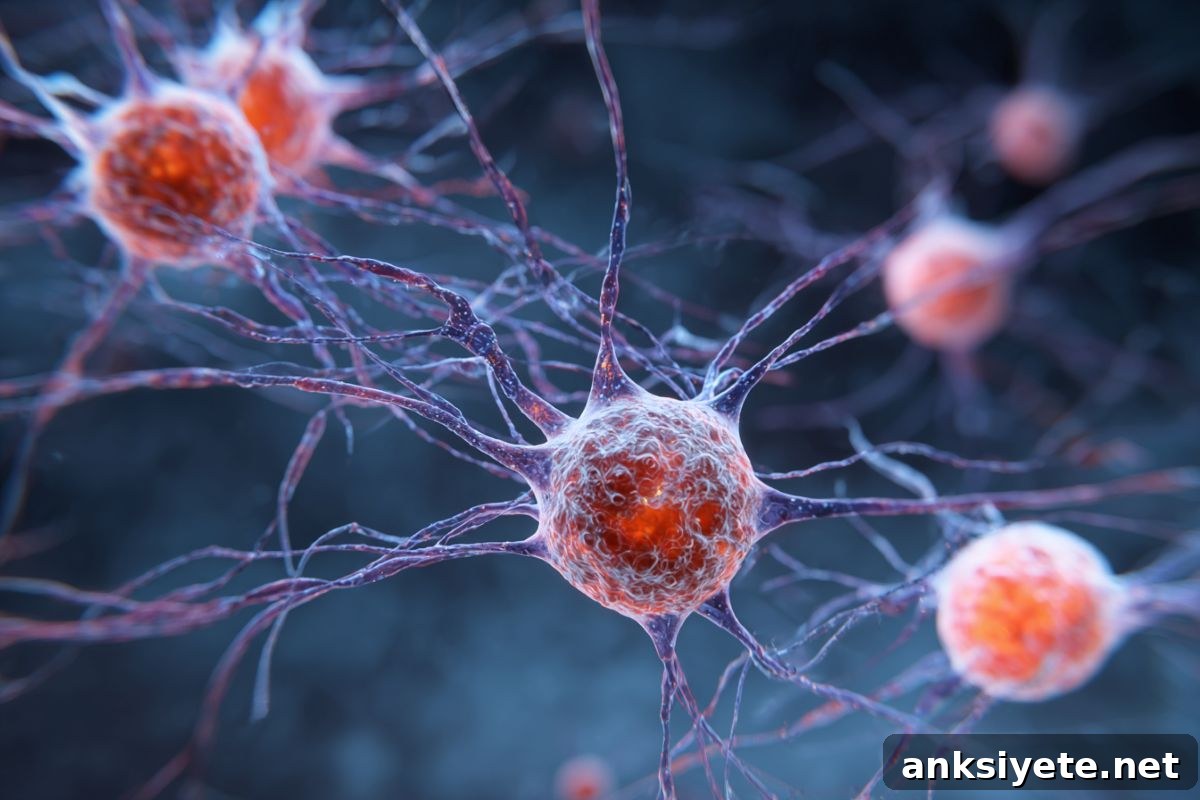
- Stem cell nano-messengers: Stem cells naturally release very small extracellular particles that carry molecular signals to nearby cells. These particles are known to influence immune responses and can exert anti-inflammatory effects in mammalian tissues.
- Targeting persistent inflammation: The project’s central hypothesis is that these stem-cell-derived particles can be used to reduce localized, chronic inflammation that drives long-lasting neuropathic pain. If successful, this would represent a move from symptom control toward modifying the disease process itself.
- Biological reset rather than temporary blockade: Instead of imposing a transient biochemical block on neural signaling, the RESOLVE approach seeks to disrupt the pathological feedback loops that maintain a hyperactive, pain-prone state in the nervous system—effectively attempting a biological “reset.”
- Patient stratification and biomarkers: To support precision medicine, RESOLVE will perform detailed laboratory analyses and animal studies alongside a clinical component that includes blood sample profiling. Blood from 128 people with chronic nerve pain will be examined to identify biochemical signatures and biomarkers that predict responsiveness to stem-cell-derived interventions.
Source: University of Reading
A University of Reading research team has been awarded funding to study whether tiny particles produced by stem cells could provide a new treatment avenue for chronic nerve pain.
Led by Dr. Maria Maiarú with collaboration from Professor Darius Widera and Dr. Graeme Cottrell at the University of Reading’s School of Pharmacy, the RESOLVE project will evaluate whether stem-cell-derived extracellular particles can reduce the ongoing inflammation that underpins persistent neuropathic pain.
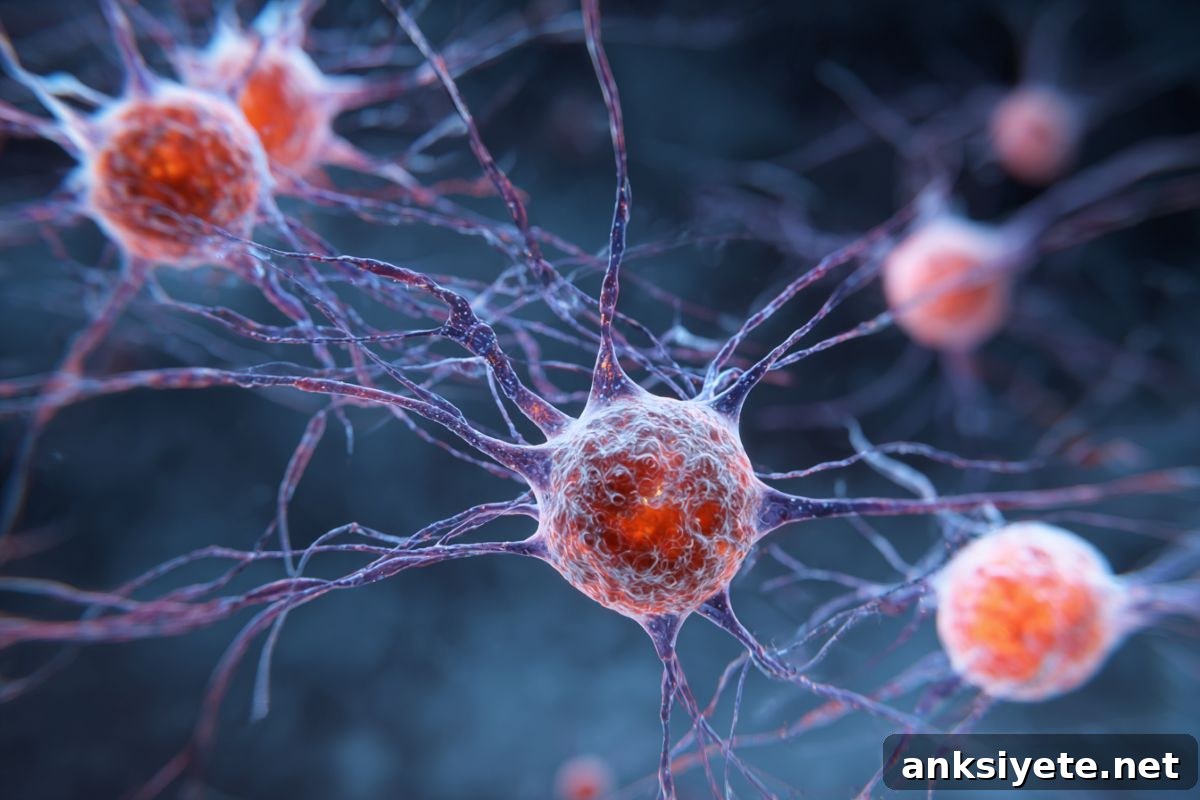
Stem cells produce these extracellular particles as a means of intercellular communication. Research to date indicates these particles can modulate immune activity and exert calming effects on tissue inflammation, which is central to many chronic pain conditions.
Dr. Maiarú commented: “Chronic nerve pain is incredibly hard to treat, and too many patients are left without good options. We believe these tiny stem cell particles could offer a genuinely different approach. Rather than masking pain, they may be able to reset the biological processes that keep it going in the first place. That is a very different strategy from anything currently available.”
The RESOLVE team will combine mechanistic laboratory studies and in vivo experiments with a clinical sampling program. By profiling blood from a defined cohort of patients, researchers hope to identify molecular markers that distinguish responders from non-responders and to inform future clinical translation.
Key Questions Answered:
A: Many current pharmaceuticals provide temporary symptom control by blocking pain signals or reducing sensation. While these approaches can relieve discomfort, they typically do not address the underlying biology—specifically, the persistent inflammation and cellular dysfunction that sustain neuropathic pain. Without targeting these root causes, pain often returns when medication effects wear off.
A: Stem-cell-derived extracellular particles carry proteins, lipids and nucleic acids that can influence nearby cells’ behavior. By delivering anti-inflammatory signals directly to affected neural and immune cells, these particles may reduce local inflammation and modify the cellular environment that sustains pain. The goal is to restore a healthier balance of immune and nervous system activity, lowering sensitivity and preventing the chronic pain loops from persisting.
A: Chronic nerve pain presents with diverse biological signatures across individuals. By systematically profiling blood samples from a sizeable cohort, the research team can identify recurring biochemical patterns and potential biomarkers linked to disease mechanisms and treatment responsiveness. This information will help stratify patients and guide targeted therapies, reducing the likelihood of ineffective one-size-fits-all treatments in future clinical practice.
Editorial Notes:
- This article was edited by an editor at Neuroscience News.
- The related journal paper was reviewed in full by the editorial team.
- Additional contextual information was added by staff to clarify the research aims and methodology.
About this genetics and pain research news
Author: Ollie Sirrell
Source: University of Reading
Contact: Ollie Sirrell – University of Reading
Image: The image is credited to Neuroscience News