
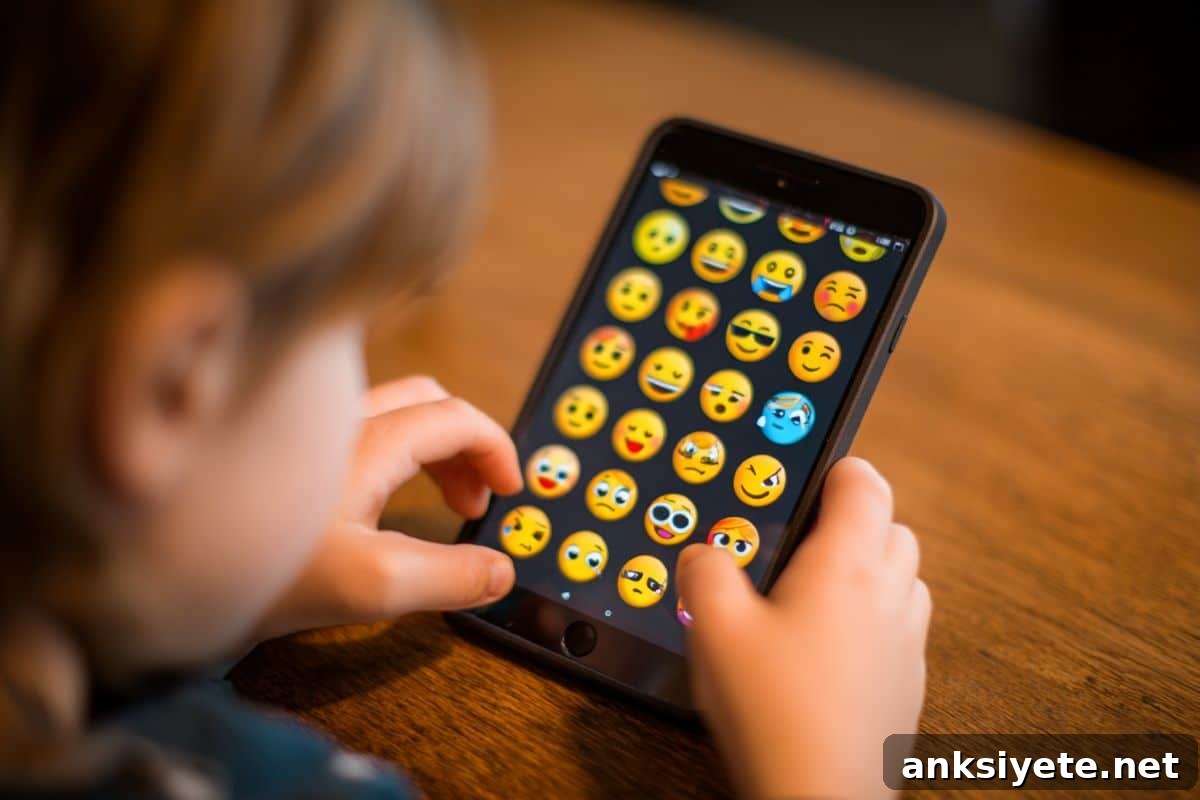
Summary: Researchers have developed a streamlined, emoji-based screening tool that objectively measures social development in preschool children. The new digital framework uses nine targeted questions and an intuitive emoji Likert scale to give early childhood educators a fast, reliable way to identify social skill delays in children aged three to five.
By replacing lengthy, technical assessments with a simple visual format, the tool produces a dependable baseline measurement that supports earlier identification and intervention during a child’s most formative years. The approach is designed for everyday use by kindergarten teachers and other early educators.
Key Facts
- Importance of Early Screening: Early detection of social and language delays is critical because early social skills and vocabulary strongly influence later academic performance and behavior.
- A 9-Question Tool: Developed by Professor Hermundur Sigmundsson, the instrument asks nine focused questions that teachers can answer quickly during routine observations.
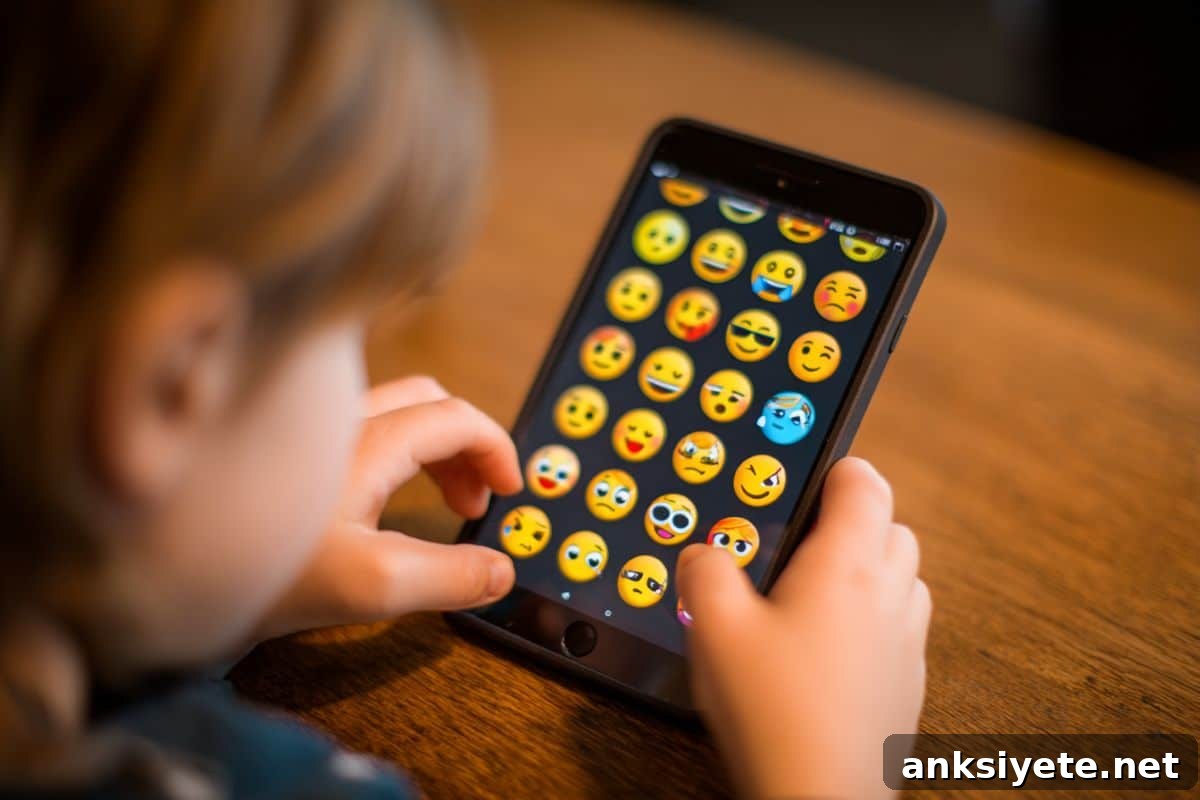
- Emoji-Based Likert Scale: Responses use a visual 1–5 emoji scale (1 = very sad face, 3 = neutral, 5 = very happy face), making scoring intuitive and reducing subjective interpretation.
- Strong Reliability: Independent evaluations by different teachers returned a high internal consistency, with a Cronbach’s alpha of 0.89, indicating the items form a coherent, reliable scale.
- Field Validation: The scale was pilot-tested on 127 children in Iceland aged 3 to 5 (mean age 3.8 years) and produced consistent correlations across all items.
- Complementary Work: A companion early vocabulary screening for children aged 18–24 months is under development to extend early detection efforts to younger ages.
Source: NTNU
“I wanted to develop tests for social skills and vocabulary aimed at preschool children,” says Professor Hermundur Sigmundsson from the Department of Psychology at the Norwegian University of Science and Technology (NTNU). He emphasizes that straightforward screening tools help identify children who may benefit from early support.
Design and usability of the emoji scale
The scale is intentionally simple to ensure practical classroom use. Each of the nine items is rated on a five-point emoji scale, which replaces lengthy descriptive options with clear facial icons from very sad to very happy. This visual format reduces cognitive load for raters and standardizes observations into quantitative data. Initial analyses found that all items correlated positively with the total score, demonstrating internal coherence.
Evidence of reliability and agreement
To examine inter-rater consistency, two independent preschool teachers assessed the same subset of children. For that subset, the intraclass correlation coefficient (ICC) was 0.88 and the overall Cronbach’s alpha across the full sample was 0.89. These statistics indicate good to excellent reliability, suggesting the scale yields stable results across different raters and settings.
Professor Sigmundsson notes these findings are promising but preliminary. The next steps include administering the instrument to larger, more diverse populations and completing normative data collection so the scale can be accurately interpreted across varied contexts.
Frequently asked questions
Q: Why use simple emojis to assess social skills?
A: Simplicity supports routine screening. Emojis provide a clear, universal visual shorthand that reduces subjective interpretation and makes it faster for teachers to record observations without specialized training.
Q: What does a Cronbach alpha of 0.89 mean in practice?
A: It indicates strong internal consistency among the nine items, meaning they measure a common underlying construct—social skills—and yield reproducible results across different raters.
Q: When could schools adopt this tool?
A: The pilot results are encouraging, but broader validation in larger and more representative samples is needed before the tool can be widely recommended. After additional testing and norming, it could be integrated into routine screening practices.
Editorial notes
- Article edited by a Neuroscience News editor.
- Journal article reviewed and summarized.
- Additional context provided by reporting staff.
About this research
Author: Nancy Bazilchuk
Source: NTNU
Contact: Nancy Bazilchuk – NTNU
Image credit: Neuroscience News
Original research: Social skills scale: aspects of reliability and validity of a new 9-item scale assessing social skills by Hermundur Sigmundsson. Published in Frontiers in Education. DOI: 10.3389/feduc.2026.1769238 (open access)
Abstract
Social skills scale: aspects of reliability and validity of a new 9-item scale assessing social skills
This study evaluates the psychometric properties of a brief, quantitative social skills scale intended for routine use with preschool-aged children. The scale was administered to 127 children in Iceland aged 3–5 years (mean = 3.83, SD = 0.72), with assessments completed by preschool teachers.
All items showed positive item–total correlations (range 0.35–0.76), and the standardized Cronbach’s alpha was 0.89, indicating high internal consistency. Inter-rater reliability assessed on a subset of 10 children produced an ICC of 0.88, reflecting good agreement between independent observers. These initial results support further validation, norming on larger samples, and continued development for broader clinical and educational use.