
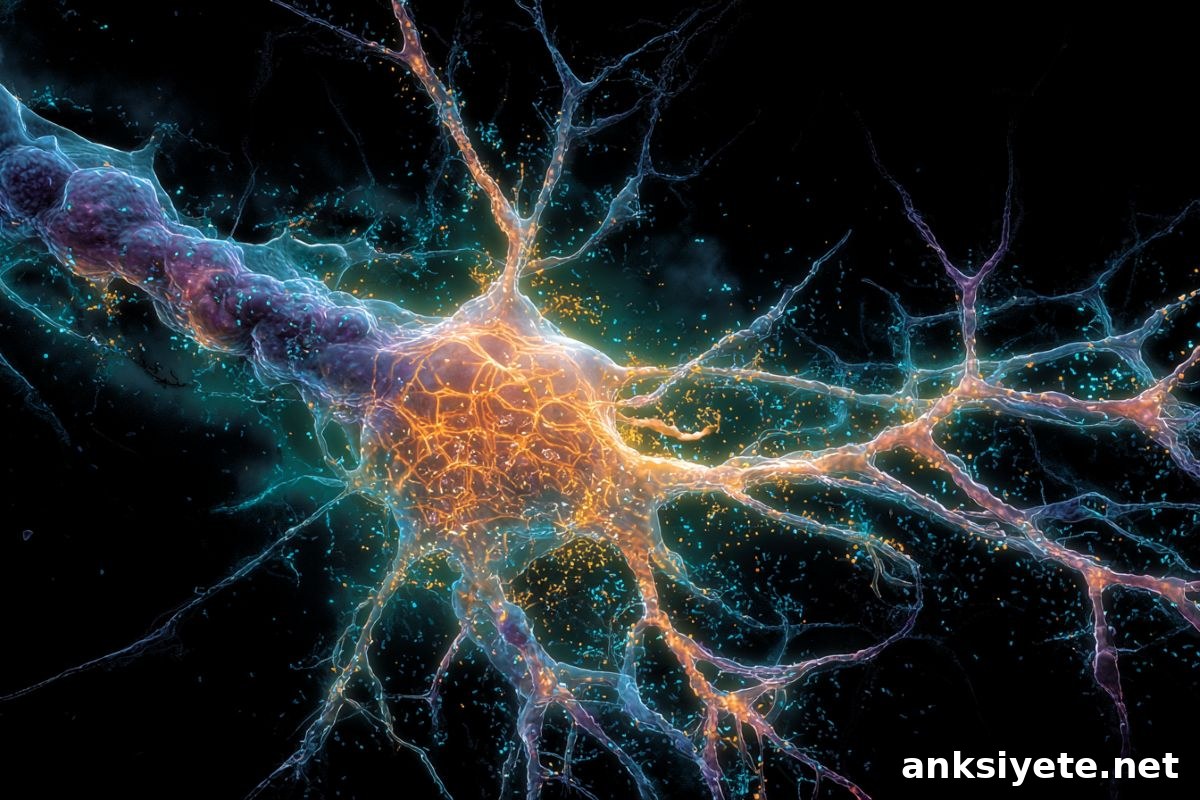
Summary: Researchers have identified the core mechanism driving IgLON5 encephalitis (Anti-IgLON5 disease). Using antibodies taken from affected patients and applied to neuronal cell cultures and mice, the team demonstrated a direct causal link between autoimmune attacks on the cell-surface protein IgLON5 and the toxic aggregation of intracellular Tau proteins. This discovery reveals that abnormal neuronal hyperactivity is the central driver of subsequent neurodegeneration and suggests a new avenue for therapeutic development.
Scientists from the German Center for Neurodegenerative Diseases (DZNE) and Charité – Universitätsmedizin Berlin report these results in Science Advances, providing mechanistic insight into a rare but devastating autoimmune encephalitis that frequently evades early diagnosis.
Key Facts
- Established causal link: Autoantibodies against IgLON5 bind the protein on the neuronal surface and induce clustering with other membrane partners, initiating an intracellular disease cascade.
- Neuronal hyperactivity identified: Surface clustering of IgLON5 provokes sustained neuronal hyperactivity, which the researchers identified as the proximal trigger for downstream pathology.
- Tau aggregation pathway: This hyperactivity causes Tau proteins to detach from the neuronal cytoskeleton, mislocalize, become abnormally phosphorylated, and form toxic aggregates—hallmarks shared with Tau-related neurodegenerative disorders.
- Therapeutic implications: Since Anti-IgLON5 disease often presents with a broad, variable phenotype and is diagnosed late, targeting the newly discovered hyperactivity-associated dysfunction could open new therapeutic strategies.
Source: DZNE
What is IgLON5 encephalitis?
IgLON5 encephalitis is an autoimmune condition in which the immune system produces antibodies that mistakenly target neurons. The resulting inflammation and neuronal injury produce symptoms that can include sleep disturbances, cognitive decline, and movement disorders. Left untreated, the disease can cause severe disability and may shorten life expectancy.
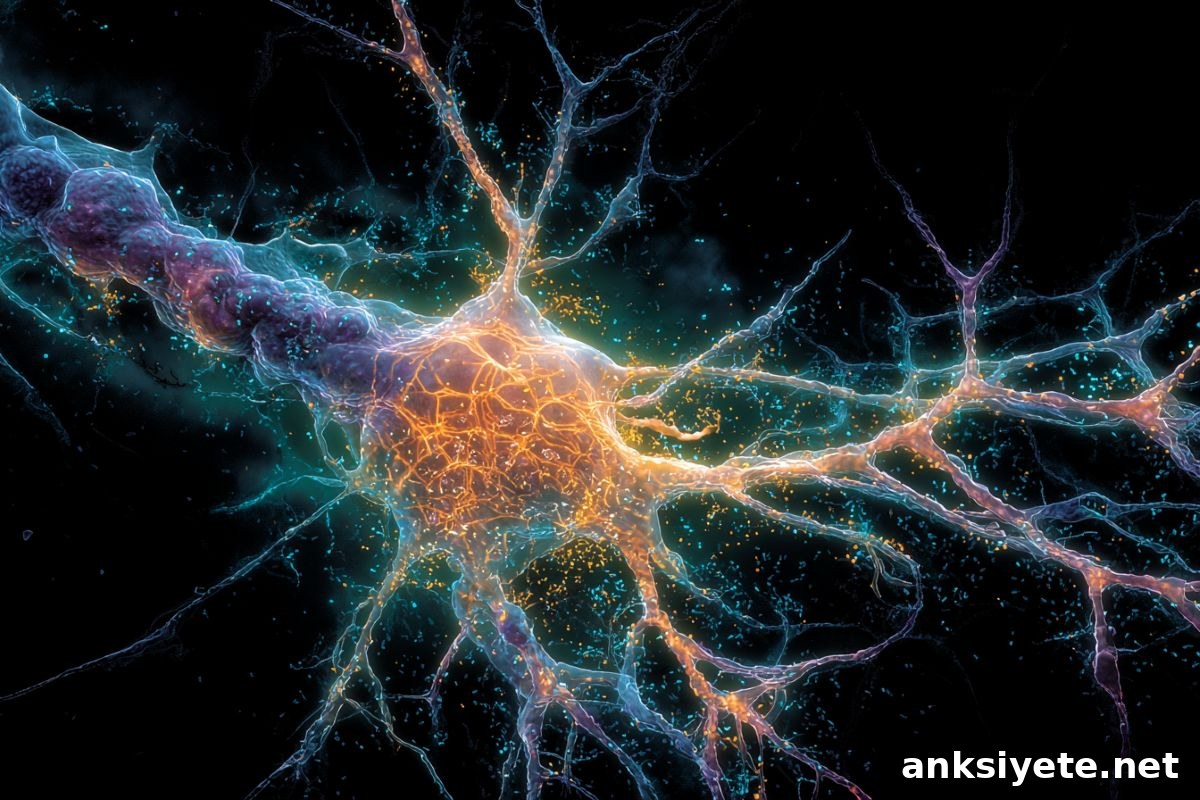
Until now, the connection between extracellular autoimmune targeting of IgLON5 and the intracellular accumulation of Tau protein remained unclear. The DZNE and Charité teams addressed this gap by applying patient-derived anti-IgLON5 antibodies to cultured neurons and to wild-type mice. Their experiments show that these antibodies cluster IgLON5 together with other surface molecules, producing a pathological increase in neuronal activity. This hyperexcitable state triggers Tau missorting and pathological phosphorylation, events that are commonly observed early in Tau-driven neurodegeneration.
“Our data demonstrate that anti-IgLON5 antibodies do not simply eliminate a surface protein but actively reorganize membrane complexes, creating an aberrant signal that overdrives neuronal activity and sets off a fatal intracellular cascade culminating in Tau pathology,” explains Prof. Susanne Wegmann, research group leader at DZNE and Charité.
Pathological Tau aggregation is a well-known driver of neuronal toxicity in disorders such as Alzheimer’s disease. There, misfolded amyloid-beta is suspected to provoke neuronal hyperactivity that, in turn, promotes toxic Tau changes. The finding that a similar hyperactivity-to-Tau mechanism operates in Anti-IgLON5 disease suggests overlapping pathogenic principles that merit further study.
Key Questions Answered:
A: First described in 2014, IgLON5 encephalitis is a rare autoimmune disease in which antibodies attack a neuronal surface protein. The resulting brain inflammation and neuronal damage can cause sleep disturbances, cognitive decline, and movement disorders. Because symptoms vary widely, diagnosis is often delayed, increasing the risk of severe disability or premature death.
A: Binding of anti-IgLON5 antibodies forces IgLON5 to cluster with other membrane proteins. This abnormal clustering triggers excessive neuronal firing and cellular stress. Under this stress, Tau proteins detach from the cytoskeleton, relocate within the neuron, become pathologically phosphorylated, and aggregate, forming intracellular inclusions that harm the cell.
A: Yes. Alzheimer’s disease is also associated with neuronal hyperactivity and subsequent toxic Tau changes, often thought to be driven by amyloid-beta. The parallel mechanism found in Anti-IgLON5 disease reinforces the idea that hyperactivity-to-Tau pathways could be a common route to neurodegeneration and suggests that interventions targeting hyperactivity might benefit multiple disorders.
Potential treatment approach
Current management of Anti-IgLON5 disease centers on immunosuppression and symptomatic care, but outcomes remain poor when diagnosis is delayed. By demonstrating that neuronal hyperactivity is an early and causal event in disease progression, the new study points to a complementary therapeutic strategy: treatments aimed at normalizing neuronal excitability could prevent or reduce Tau pathology and subsequent neurodegeneration. Future research will need to test whether dampening hyperactivity—pharmacologically or through other neuromodulatory approaches—can alter disease trajectory.
Editorial Notes:
- This article was edited by a Neuroscience News editor.
- The underlying journal paper was reviewed in full for accuracy.
- Additional context was provided by the editorial staff to clarify implications for broader neurodegenerative research.
About this neurology research news
Author: Marcus Neitzert
Source: DZNE
Contact: Marcus Neitzert – DZNE
Image: The image is credited to Neuroscience News
Original Research: Open access. “IgLON5 autoimmune antibodies activate Tau via neuronal hyperactivity” by Bilge Askin et al., published in Science Advances. DOI: 10.1126/sciadv.aec2042
Abstract (summary)
IgLON5 autoimmune antibodies activate Tau via neuronal hyperactivity
Anti-IgLON5 disease is an autoimmune disorder in which patient autoantibodies target the neuronal surface protein IgLON5, producing profound brain dysfunction and Tau pathology. The mechanism linking extracellular anti-IgLON5 antibodies to intracellular Tau aggregation was previously unknown. The study shows that patient-derived antibodies cluster IgLON5 with other surface proteins, provoking neuronal hyperactivity that drives Tau missorting and pathological phosphorylation—changes typical of early Tau-related neurodegeneration. In wild-type mice, these antibodies induce hippocampal Tau phosphorylation and neuroinflammatory responses. These results establish a causal connection between anti-IgLON5 antibodies and Tau pathology and highlight neuronal hyperactivity as a disease-overarching driver and a potential therapeutic target.