
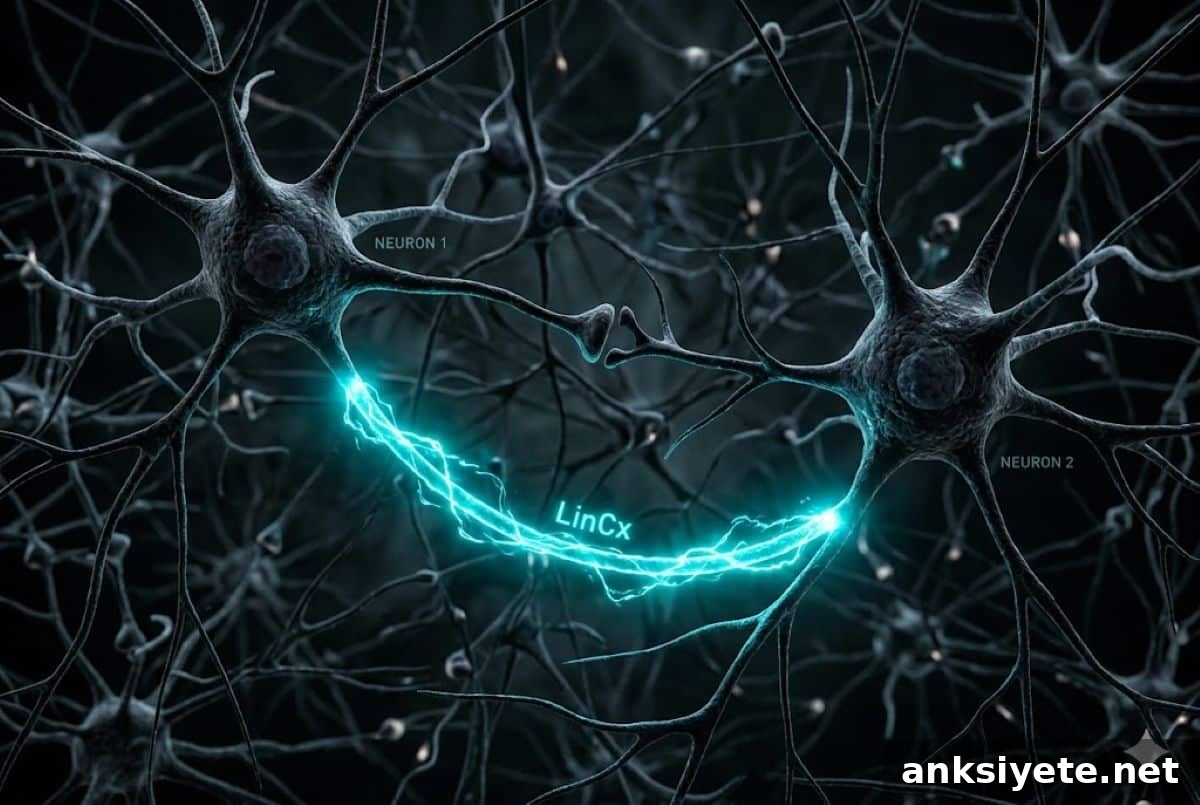
Summary: Researchers at Duke University have developed LinCx, an engineered biological “wire” that creates targeted electrical connections between selected neurons. This approach offers a new way to bypass damaged or dysfunctional brain circuits, potentially reducing reliance on long-term medication or implanted stimulation devices.
The study demonstrates a method for building precise electrical synapses between defined pairs of neurons. By enabling selective, durable changes in circuit communication, LinCx may provide a more refined alternative to broad pharmacological treatments or global electrical stimulation used for many neurological disorders.
Key Research Findings
- Cellular precision: LinCx permits the formation of electrical links between carefully chosen individual neurons rather than altering entire populations of cells, minimizing off-target effects common with drugs or broad stimulation.
- Bypass mechanism: Instead of attempting to repair damaged native synapses, LinCx installs a new electrical bypass between selected neurons, strengthening direct communication without modifying existing native synaptic structures.
- Protein engineering: The technology repurposes connexin proteins originally found in fish that naturally form electrical synapses. Through targeted mutagenesis and design, these proteins were altered to bind only to a designated engineered partner, preventing them from docking with endogenous mammalian connexins.
- Validated specificity: The team developed a fluorescence-based screening assay and computational modelling to identify engineered connexin pairs that reliably dock and transmit electrical signals while avoiding unintended interactions with native brain proteins.
- Behavioral impact:
- Mice: Introducing LinCx between specific cell types strengthened communication within targeted circuits, reshaped brain-wide activity patterns, and produced measurable changes in behaviors such as social interaction and stress responses.
- Worms: In Caenorhabditis elegans, adding a designed electrical connection was sufficient to alter temperature-seeking behavior, demonstrating the approach works across species and nervous system architectures.
- Advantages over existing tools: LinCx overcomes limitations of methods like optogenetics and conventional electrical stimulation that often require external hardware or can induce crosstalk across cell types. Because LinCx is a fully biological intervention, it has the potential to provide long-term circuit editing without implanted electrodes.
Source: Duke University
Overview
Broken or disrupted neural circuits contribute to a wide range of neurological and psychiatric disorders. The LinCx system—short for Long-term Integration of Circuits using connexins—represents a precision neurotechnology that can insert an engineered electrical synapse between two defined cell types. Developed by a team led by Kafui Dzirasa, MD, PhD, at Duke University School of Medicine, LinCx offers a reversible and targeted way to edit how neuronal circuits communicate.
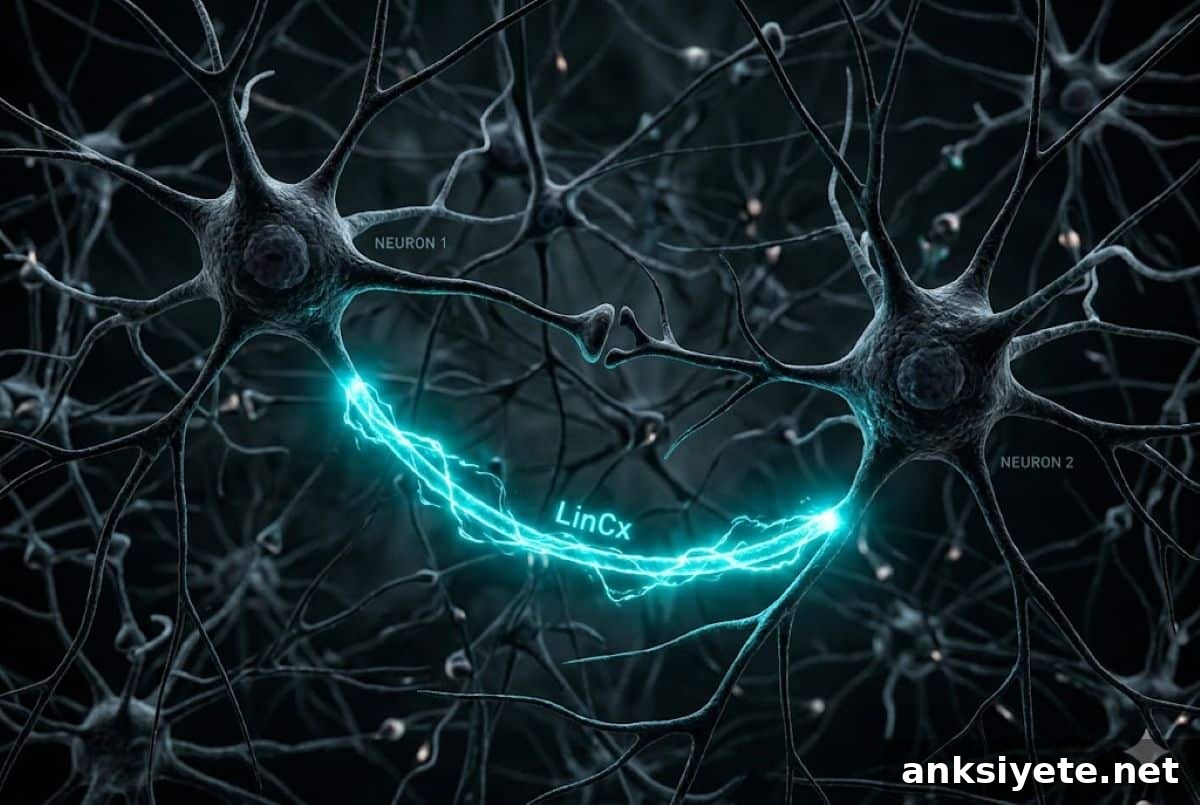
Published in Nature on May 13, 2026, the study describes how engineered connexin hemichannels—derived from white perch (Morone americana) connexins 34.7 and 35—were redesigned so that only complementary engineered subunits dock together to form an electrical synapse. The team combined laboratory screening, fluorescence assays, and computational modelling to identify structural motifs critical for selective docking and intercellular electrical transmission.
Dzirasa notes that for decades neuroscience has lacked tools that can selectively control electrical signaling between defined cell types without broad collateral effects. LinCx addresses that gap by providing a high degree of spatial and cellular specificity, enabling researchers to test how precise alterations in connectivity drive circuit dynamics and behavior.
Looking ahead, the researchers plan to test whether LinCx can compensate for synaptic deficits caused by lifelong genetic disruptions and explore its therapeutic potential for disorders arising from circuit-level dysfunction. Because the system is biological and designed to avoid interaction with native connexins, it may offer a route to permanent or long-lasting correction of dysfunctional pathways without implanted devices.
Other Duke authors: Elizabeth Ransey, Gwenaëlle E. Thomas, Ryan Bowman, Elise Adamson, Kathryn K. Walder-Christensen, Hannah Schwennesen, Caly Ferguson, Stephen D. Mague, Nenad Bursac.
Funding: The Burroughs Wellcome Fund, the Ernest E. Just Life Science Institute, the Hartwell Foundation, Hope for Depression Research Foundation, Howard Hughes Medical Institute, and the National Institutes of Health.
Key Questions Answered
A: Researchers use protein engineering to create complementary connexin hemichannels. When expressed in targeted neurons, these engineered proteins dock with each other to form a functional electrical synapse, permitting direct passage of electrical signals between the cells.
A: The primary aim is therapeutic: to restore healthy circuit function damaged by genetic, developmental, or disease processes. While behavioral changes were observed in animal models, the tool is designed for precise restoration of function rather than arbitrary alteration of personality traits.
A: LinCx points to the possibility of treating circuit dysfunction without external electrodes or implanted hardware. As a biological intervention, it could potentially provide long-lasting correction of broken circuits, but further testing is needed before any clinical replacement of established therapies can be considered.
Editorial Notes
- This article was edited by a Neuroscience News editor.
- The underlying journal paper was reviewed in full.
- Additional context was added by editorial staff to clarify implications and limitations.
About this neurotech research news
Author: Fedor Kossakovski
Source: Duke University
Contact: Fedor Kossakovski – Duke University
Image credit: Neuroscience News
Original Research (open access): Long-term editing of brain circuits using an engineered electrical synapse. Authors: Elizabeth Ransey, Gwenaëlle E. Thomas, Elias M. Wisdom, Agustin Almoril-Porras, Ryan Bowman, Elise Adamson, Kathryn K. Walder-Christensen, Jesse A. White, Dalton N. Hughes, Hannah Schwennesen, Caly Ferguson, Kay M. Tye, Stephen D. Mague, Longgang Niu, Zhao-Wen Wang, Daniel Colón-Ramos, Rainbo Hultman, Nenad Bursac & Kafui Dzirasa. Nature. DOI: 10.1038/s41586-026-10501-y
Abstract
Long-term editing of brain circuits using an engineered electrical synapse
Electrical signaling across distinct populations of brain cells underpins cognitive and emotional functions. Yet methods that selectively regulate electrical signaling between two cell types within a mammalian neural circuit are limited. This work describes engineering of an electrical synapse using two connexin proteins derived from white perch—connexin 34.7 and connexin 35—to enable targeted modulation of mammalian circuits.
By combining protein mutagenesis, a novel in vitro assay for hemichannel docking, and computational modelling of hemichannel interactions, the investigators identified a structural motif important for electrical synapse formation. They then designed connexin hemichannels that specifically dock with each other but not with the major connexins expressed in mammalian central nervous systems. The engineered synapse was validated in vivo in Caenorhabditis elegans and Mus musculus, showing that it can strengthen communication across circuits composed of distinct cell types and produce corresponding behavioral changes. This establishes LinCx as a tool for precision circuit editing in mammals.