
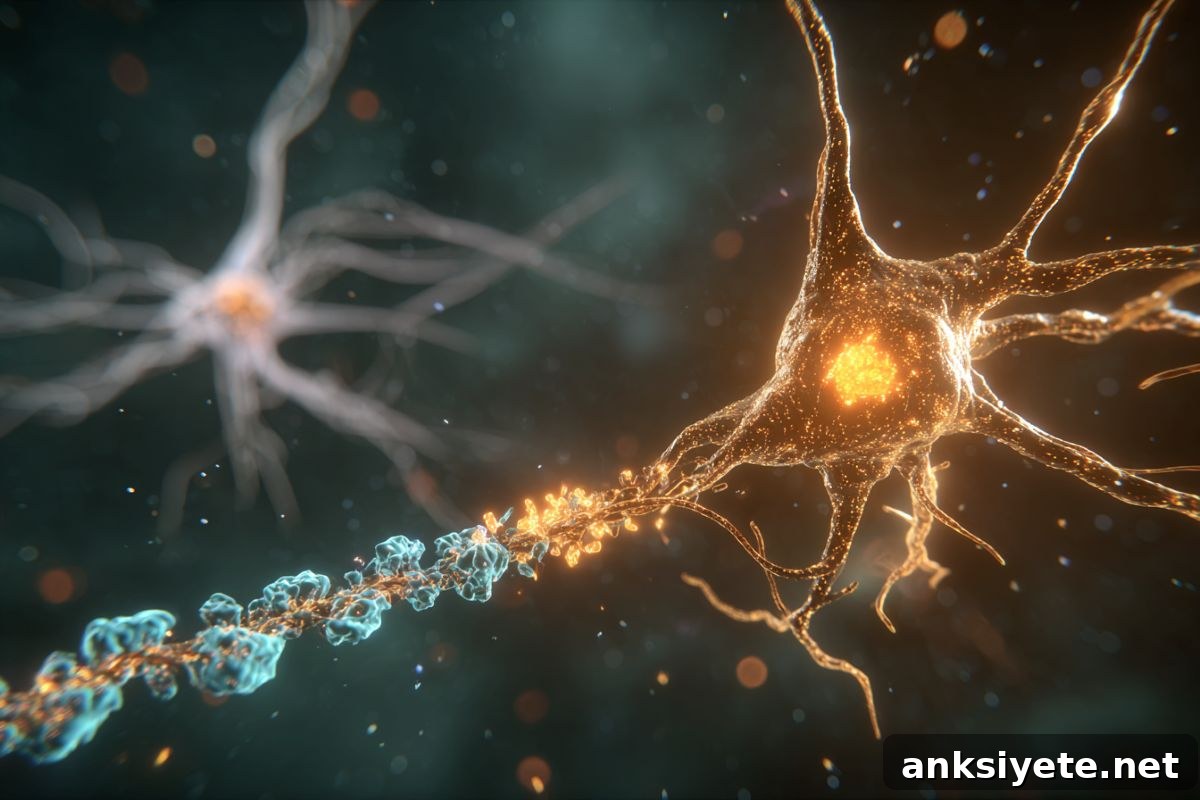
Summary: Researchers report that the APOE2 form of the apolipoprotein E gene helps preserve neuronal DNA and prevents neurons from entering a damaged, senescent state. This genomic protection offers a likely explanation for APOE2 carriers’ increased longevity and lower Alzheimer’s disease risk.
A new study from the Buck Institute for Research on Aging, published in Aging Cell, demonstrates that APOE2 boosts DNA repair pathways and reduces cellular senescence in human neurons. The results shift attention from APOE’s role in lipid transport toward its influence on genome maintenance in aging brain cells.
Key Research Findings
- Improved DNA integrity: APOE2 neurons show significantly less DNA damage than neurons with other APOE variants and upregulate DNA repair and damage-response pathways.
- Resistance to cellular aging: After radiation or chemotherapy stress, APOE2 neurons display fewer senescence markers (including p16), smaller nucleoli, and better-preserved nuclear architecture than APOE3 and APOE4 neurons.
- Transferable protective effect: Adding recombinant APOE2 protein to APOE4 neurons reduced DNA damage signaling, indicating the protection may be therapeutically transferable.
- Cross-species validation: Aged mice carrying human APOE2 preserved heterochromatin structure and had higher levels of nuclear scaffolding proteins in the hippocampus compared with APOE3 or APOE4 mice.
- Faster recovery from stress: APOE2 neurons not only begin with less damage but also recover more quickly after cellular stress.
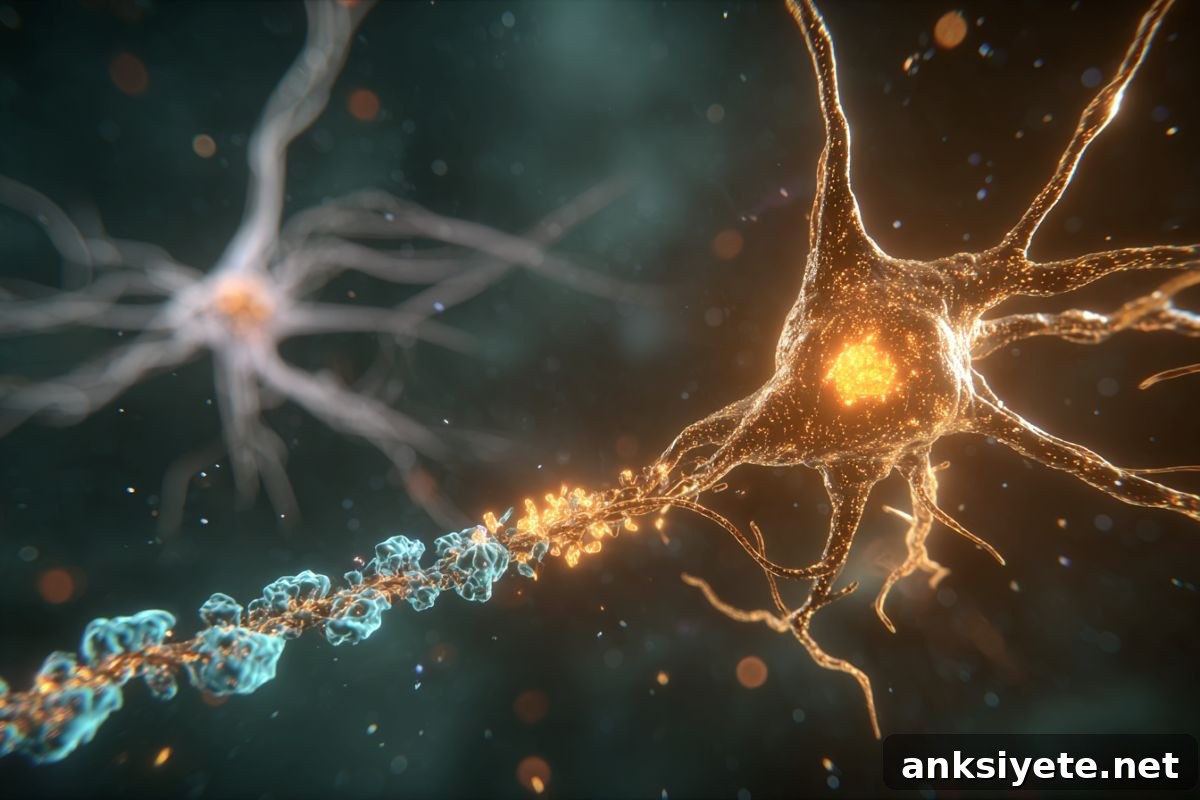
APOE exists in three common alleles—APOE2, APOE3, and APOE4—that differ by only two amino acids. Epidemiological studies have long associated APOE2 with exceptional longevity and lower dementia risk, while APOE4 is the strongest common genetic risk factor for late-onset Alzheimer’s disease. Until now, the mechanistic basis for APOE2’s protection remained unclear.
Study approach
To isolate how APOE alleles affect neuronal aging independent of other genetic differences, the Buck Institute team used isogenic human induced pluripotent stem cells (iPSCs) engineered to differ only at the APOE locus. From these cells they derived two neuronal types—GABAergic inhibitory neurons and glutamatergic excitatory neurons—and compared transcriptional profiles, DNA damage levels, and senescence markers across APOE2, APOE3, and APOE4 genotypes. Complementary analyses examined hippocampal tissue from aged mice carrying the human APOE alleles.
Detailed findings
APOE2 lowers DNA damage. Bulk and single-cell RNA sequencing revealed that APOE2 GABAergic neurons upregulate genes involved in DNA repair and damage response. Direct assays confirmed fewer DNA strand breaks in APOE2 neurons compared with APOE3 and APOE4.
APOE2 reduces neuronal senescence. When excitatory neurons were exposed to DNA-damaging stressors such as radiation or doxorubicin, APOE2 neurons exhibited reduced expression of senescence markers (including p16 and CRYAB), smaller nucleoli, and more intact nuclear structure than neurons carrying APOE3 or APOE4.
APOE2 protein offers protection to APOE4 neurons. In vitro treatment of APOE4 neurons with recombinant APOE2 protein lowered DNA damage signaling after radiation, suggesting the allele’s protective effects may be mediated in part by the APOE protein and could be harnessed therapeutically.
Mouse models corroborate human cell results. Aged mice engineered to express human APOE2 showed smaller nucleoli, increased Lamin A/C and other nuclear proteins, and better-preserved heterochromatin in the hippocampus compared with APOE3 or APOE4 animals—hallmarks of healthier brain aging.
Why this matters
Accumulated DNA damage and cellular senescence are central features of aging and contributors to neurodegeneration. By demonstrating that APOE2 enhances neuronal DNA repair and suppresses senescence-associated processes, this study links a major longevity-associated gene to core mechanisms of brain aging and Alzheimer’s disease vulnerability. The results point to new therapeutic strategies focused on bolstering DNA repair or targeting senescent cells in the brain to replicate APOE2’s natural protection—approaches that could particularly benefit APOE4 carriers.
Next steps
The precise molecular mechanisms by which APOE2 stabilizes nuclear architecture and promotes DNA repair remain to be defined. Future work will explore APOE2-mimetic compounds and targeted DNA repair therapies to determine whether they can reproduce APOE2’s protective effects in APOE4 carriers and in vivo disease models.
Funding: This research was supported by the National Institute on Aging (R01AG061879, P01AG066591, T32 AG000266), the Paul F. Glenn Center for Biology of Aging, the Hevolution Foundation, and a CatalystX award from Alex and Bob Griswold and the Valley Foundation Fellowship.
Key Questions Answered
A: Population studies consistently link APOE2 with advanced age and reduced Alzheimer’s risk. This study provides a likely mechanism: APOE2 enhances genomic stability in neurons by promoting DNA repair and limiting DNA breaks.
A: Senescence describes a dysfunctional state in which cells stop dividing but persist, secreting inflammatory factors and disrupting tissue function. Accumulation of senescent neurons contributes to neurodegeneration; APOE2 reduces the likelihood that neurons enter this state.
A: Not necessarily. The study highlights therapeutic directions—APOE2-mimetic compounds and DNA repair–targeted interventions—that might reproduce APOE2’s benefits for people who carry higher-risk APOE variants.
Editorial Notes
- This article was edited by a Neuroscience News editor.
- The journal paper was reviewed in full by the editorial team.
- Additional context was added by staff to clarify implications and next steps.
Research details and credits
Author: Kris Rebillot
Source: Buck Institute for Research on Aging
Contact: Kris Rebillot – Buck Institute
Image credit: Neuroscience News
Original research (open access): “Exceptional Longevity Modifying Allele APOE2 Promotes DNA Signaling Pathways Resisting Cellular Senescence in Human Neurons” by Cristian Gerónimo-Olvera et al., Aging Cell. DOI: 10.1111/acel.70494
Abstract summary: APOE2, identified by genome-wide association studies as linked to exceptional longevity and reduced Alzheimer’s risk, promotes DNA repair and suppresses senescence-associated processes in both human iPSC-derived inhibitory and excitatory neurons. APOE2 neurons show lower DNA damage, transcriptional enrichment for repair pathways, and greater resilience to stress. Aged APOE2-targeted replacement mice display nuclear features consistent with healthier brain aging. These results identify enhanced genomic maintenance and reduced cellular senescence as mechanisms underlying APOE2’s neuroprotection and longevity association.