
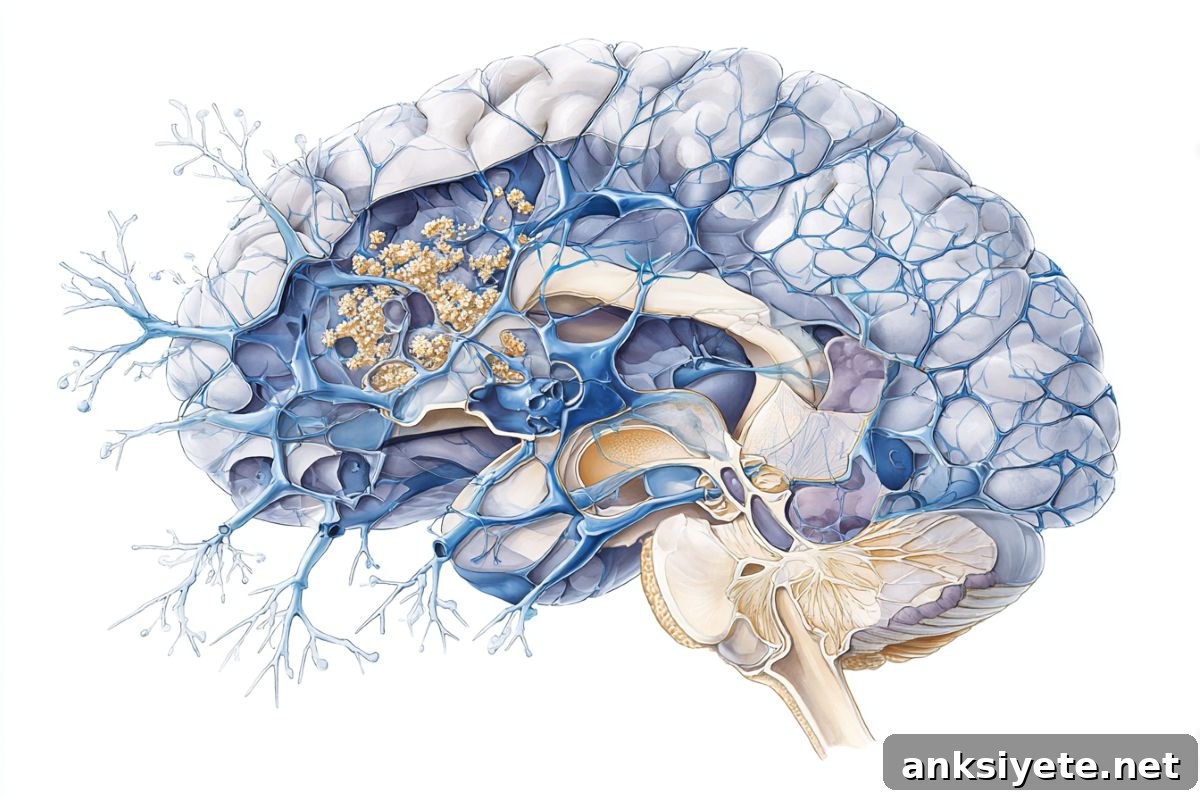
Summary: New research shows that the developmental stage when trauma occurs matters more than the specific type of trauma in shaping long-term behavioral outcomes. The study identifies discrete vulnerability windows during brain development when traumatic events leave lasting imprints on neural circuits, producing different adult symptoms such as social withdrawal, aggression, or anxiety.
Using a combination of mouse models and clinical data from patient cohorts, researchers mapped how traumatic experiences at distinct ages rewire specific brain regions and activate molecular processes that record those experiences in the brain’s structure and function.
Key Research Findings
- The Timing Rule: The investigators found that the developmental stage—early childhood, childhood, adolescence, or young adulthood—is the dominant factor determining how trauma translates into dysfunctional adult behavior, more so than the nature of the traumatic event itself.
- Behavioral Specificity:
- Childhood trauma is strongly associated with later difficulties in social interaction and social cognition.
- Adolescent trauma is more frequently linked to increased aggression and dominant behaviors in adulthood.
- Anxiety emerged as a common outcome across all developmental stages examined.
- Targeted Brain Regions: Trauma occurring in early life primarily alters the amygdala, hippocampus, and hypothalamus—areas central to emotion, memory, and stress regulation. Trauma experienced later in development predominantly affects the prefrontal cortex, a region involved in executive function and impulse control.
- Biological “Recording”: Traumatic events trigger biological responses—such as programmed cell death, oxidative stress, and membrane vesicle biogenesis—that effectively inscribe the experience into brain tissue, producing durable molecular and proteomic signatures.
- Therapeutic Target: The study highlights the BDNF (Brain-Derived Neurotrophic Factor) pathway as a promising intervention point. Modulating BDNF signaling may help reverse or reduce trauma-induced changes, particularly for exposures that occur in young adulthood.
Source: IIT
Study and Collaboration
The research was led by teams at the Istituto Italiano di Tecnologia (IIT) in Genoa, in collaboration with the IRCCS Istituto Giannina Gaslini. Principal investigators included Laura Cancedda, head of the Brain Development and Disease research unit, and Valter Tucci, head of the Genetics and Epigenetics of Behavior unit. Clinical and omics analyses were conducted with contributions from the Clinical Proteomics Laboratory and the Core Facility for Omics Sciences under Andrea Petretto, together with the Child Neuropsychiatry Unit directed by Lino Nobili and researchers including Sara Uccella.
The findings are reported in the journal Cell Reports Medicine and were supported by funding from the Fondo Italiano per la Scienza (FIS Advanced) of the Italian Ministry of University and Research (MUR), awarded to Cancedda in 2025.
Why these findings matter
While it has long been recognized that traumatic experiences raise the risk of psychiatric disorders such as post-traumatic stress disorder (PTSD), this work helps explain why identical events can produce widely different outcomes across individuals. By demonstrating that the brain’s developmental stage at the time of trauma determines which circuits are most affected, the study clarifies a key source of variability in post-traumatic trajectories.
The integrated approach—combining behavioral assays in animal models with proteomic and omics profiling and validation in patient samples—revealed durable molecular signatures tied to specific brain regions and ages. Those signatures reflect activated pathways that reshape circuitry during windows of heightened plasticity, and they point to opportunities for age-tailored interventions.
Crucially, the identification of the BDNF pathway as a modifiable regulator of plasticity suggests that treatments timed to the developmental window of exposure could use the brain’s own mechanisms for recovery. This opens a path toward more precise, personalized therapies for trauma-related neuropsychiatric conditions that take into account the age at which trauma occurred.
Key Questions Answered:
A: Brain development proceeds in overlapping waves. If trauma intervenes during a critical window when a particular region is undergoing rapid growth or refinement, that region is disproportionately disrupted. For example, the prefrontal cortex matures later than other regions, so trauma during adolescence can especially compromise impulse control and executive function.
A: The study shows trauma leaves durable biological marks, but identifying pathways like BDNF indicates that the brain’s plasticity might be harnessed to repair or reduce those imprints. Targeted interventions, tailored to the age of exposure, could improve outcomes.
A: Yes. If identical trauma occurs at different ages, the affected brain regions and developmental processes differ, leading to distinct psychological and behavioral outcomes despite similar events.
Editorial Notes:
- This article was edited by a Neuroscience News editor.
- The underlying journal paper was reviewed in full by the editorial team.
- Additional context was provided by staff to clarify clinical and translational implications.
About this PTSD and neurodevelopment research news
Author: Valeria delle Cave
Source: IIT
Contact: Valeria delle Cave – IIT
Image: The image is credited to Neuroscience News
Original Research: Findings published in Cell Reports Medicine