
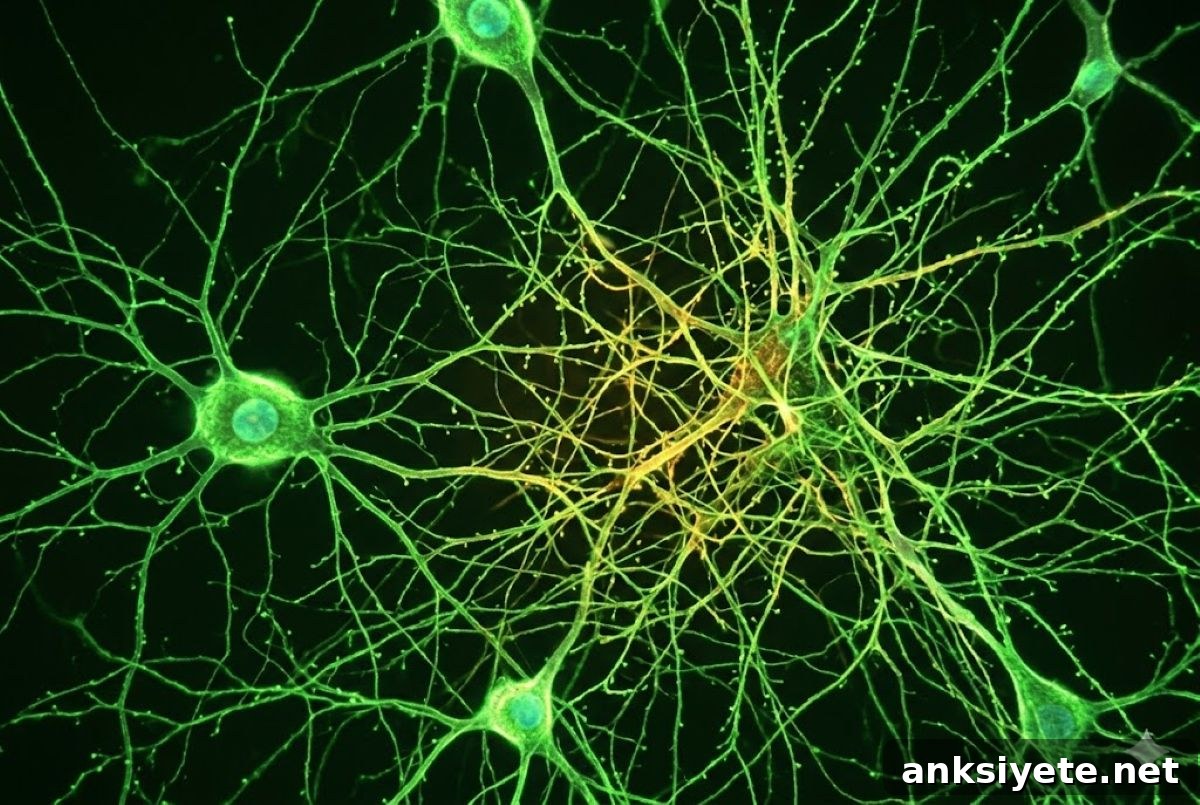
Summary: Scientists have identified a brain pathway that protects dopamine-producing neurons and could slow progression of Parkinson’s disease by keeping these cells alive longer.
The research shows that increasing the presence of nicotine-responsive receptors on neurons—without administering nicotine—preserves neural health and reduces degeneration. Notably, this protective effect was observed only in females, revealing a significant biological sex difference in how the brain defends against Parkinson’s.
Key Research Findings
- Disease-modifying promise: Unlike current therapies that primarily address symptoms, this pathway aims to preserve the neurons themselves, offering a potential strategy to slow the disease’s underlying progression.
- Targeting nicotine-responsive receptors—without nicotine: Researchers used gene editing to increase the availability of nicotinic acetylcholine receptors on dopamine neurons, boosting their protective function without exposing the brain to addictive nicotine.
- Sex-specific protection: The neuroprotective mechanism was robust in female models but absent in males, highlighting an important biological difference that affects treatment responses.
- Preserved neural integrity: In female models, strengthening this pathway blocked cell-death signaling and reduced inflammatory responses from surrounding brain cells, resulting in healthier neural tissue overall.
- Biological sex matters: The team stresses that differences in hormones, receptor trafficking, and cellular regulation are central to Parkinson’s biology and should shape future therapeutic design.
Source: Texas A&M
Summary of the study: Researchers report that enhancing a receptor-based protective pathway can preserve dopamine neurons and reduce degeneration associated with Parkinson’s disease, but this benefit was seen only in females.
Published in the Journal of Neuroscience, the study shows that increasing the functional availability of nicotine-responsive receptors on dopamine-producing neurons helped maintain cell health and lowered signs of degeneration in female models, without administering nicotine or nicotine-like drugs.
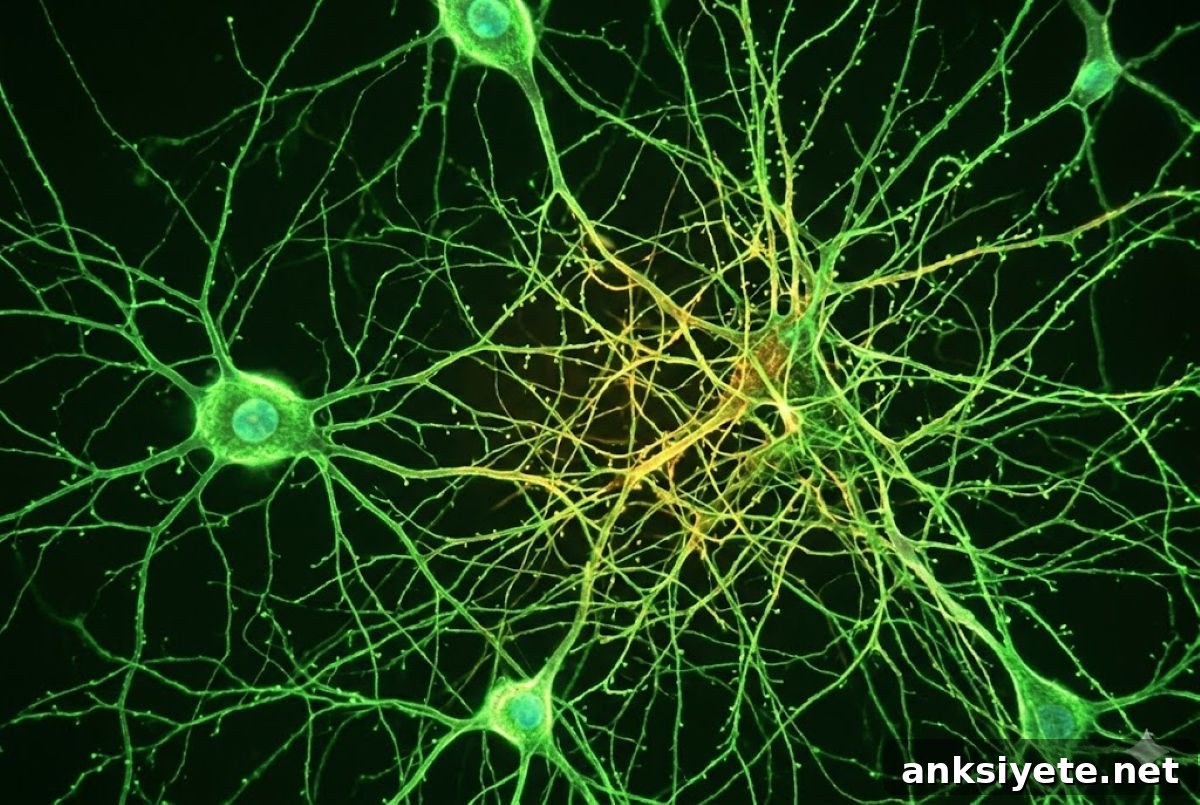
The critical advance is that this protective effect was achieved by reinforcing the brain’s own receptor system rather than using nicotine, which is addictive and harmful when used as a therapy. Strengthening this internal pathway offers a route to slow disease progression rather than simply treating symptoms.
“This work is about keeping neurons alive longer,” said Dr. Rahul Srinivasan, associate professor of neuroscience at Texas A&M University’s Naresh K. Vashisht College of Medicine. “Preserving dopamine-producing cells gives us a realistic chance to slow how quickly the disease advances.”
Tobacco remains harmful
Although nicotine interacts with the receptors implicated in Parkinson’s research, nicotine itself is unsuitable as a treatment because of its addictive properties and broad effects across the body. The new approach isolates the protective receptor pathway that nicotine engages but does so without exposing patients to the drug.
“These receptors serve normal brain functions,” Srinivasan explained. “Nicotine only hijacks an existing system. Our goal is to boost the system’s protective capacity without nicotine’s risks.”
The pathway centers on receptors that respond to acetylcholine, a natural neurotransmitter involved in movement and neural communication. Nicotine happens to bind to these receptors, but the protective pathway can be strengthened without nicotine itself.
In Parkinson’s disease, gradual loss of dopamine-producing neurons drives worsening motor and non-motor symptoms. Existing therapies can replace or mimic dopamine to relieve symptoms but do not prevent the underlying neuronal loss. The pathway described here focuses on preserving those neurons directly.
Previous work from Srinivasan’s lab showed certain nicotine-related drugs protected dopamine neurons in female models. The current study tested whether increasing receptor availability by genetic means—rather than activating them with drugs—would also provide protection.
Using gene editing, the team increased the trafficking and surface expression of beta2-containing nicotinic acetylcholine receptors on dopamine neurons, directing more receptors to the parts of the cell where they confer protection. This manipulation preserved neuronal structure and reduced reactive responses in surrounding brain cells under conditions that normally cause degeneration.
Why was protection limited to females?
A striking discovery was that only female models experienced neuroprotection. Females showed preserved dopamine neurons, lower activation of cell-death pathways, and healthier surrounding tissue, while males showed no measurable benefit.
“This wasn’t a subtle difference,” Srinivasan said. “The protective pathway was clearly engaged in females and absent in males.”
Evidence increasingly shows that Parkinson’s manifests differently in males and females. Variations in hormones, receptor trafficking, and cellular regulation can change how neurons respond to injury and may explain why the pathway functions differently across sexes.
The researchers emphasize that these sex differences are not peripheral details; they are central to disease mechanisms and to designing effective, targeted treatments.
Toward therapies that slow disease progression
Because this pathway preserves dopamine-producing neurons rather than merely replacing lost function, the findings support the broader objective of developing disease-modifying therapies for Parkinson’s disease.
“Every added year that neurons remain functional matters,” Srinivasan said. “Strengthening protective brain pathways early could meaningfully slow progression and improve quality of life for people with Parkinson’s.”
Further research is needed to determine how this receptor-focused strategy could be translated to human patients, how sex differences can be addressed clinically, and which approaches will safely increase receptor availability in people. The study points to a clear principle: slowing Parkinson’s will likely require protecting the neurons the disease threatens to lose.
Key Questions Answered:
A: No. Nicotine is addictive and harmful. The important finding is that researchers can strengthen the brain’s receptor-based protective system without giving nicotine itself.
A: The likely reasons include sex differences in hormone signaling, receptor trafficking, and cellular regulation. These biological differences change how male and female brains respond to stress and damage.
A: Gene editing was used to increase the amount and correct placement of beta2 subunit-containing nicotinic acetylcholine receptors on dopamine neurons, enhancing the cells’ intrinsic resistance to degeneration.
Editorial Notes:
- This article was edited by a Neuroscience News editor.
- The underlying journal paper was reviewed in full.
- Additional context was added by editorial staff for clarity.
About this Parkinson’s disease research news
Author: Lesley Henton
Source: Texas A&M
Contact: Lesley Henton – Texas A&M
Image: The image is credited to Neuroscience News
Original Research: Closed access.
“Genetically encoded constitutive upregulation of β2 subunit containing neuronal nicotinic acetylcholine receptors is neuroprotective in female parkinsonian mice” by Gauri Pandey et al. Journal of Neuroscience. DOI: 10.1523/JNEUROSCI.1368-25.2026
Abstract
Genetically encoded constitutive upregulation of β2 subunit containing neuronal nicotinic acetylcholine receptors is neuroprotective in female parkinsonian mice
Parkinson’s disease is expected to increase dramatically by 2050, creating an urgent need for treatments that modify disease progression rather than only treating symptoms.
Past work showed that low doses of cytisine, a partial agonist at neuronal nicotinic acetylcholine receptors used in smoking cessation, protected dopamine neurons from degeneration in female mice by reducing endoplasmic reticulum (ER) stress, with effects that depended on 17β-estradiol. Those findings suggested that upregulation of β2 subunit-containing nicotinic receptors and increased ER exit sites (ERES) could underlie protection, but direct evidence was lacking.
To test whether receptor upregulation alone—without nicotinic ligands—could be protective, the authors developed a transgenic mouse line with constitutive upregulation of β2-containing nicotinic receptors. Female mice with this genetic upregulation showed increased ERES in dopamine neurons and significant neuroprotection against 6-hydroxydopamine-induced parkinsonism by multiple measures, including preserved neuron counts, reduced pro-apoptotic ER stress signaling, and decreased astrocyte reactivity. Male mice did not show these protective effects.
These β2-upregulated mice provide a valuable model to study nicotinic receptor upregulation and its role in neurological conditions such as addiction, anxiety, depression, dementia, and Parkinson’s disease.