
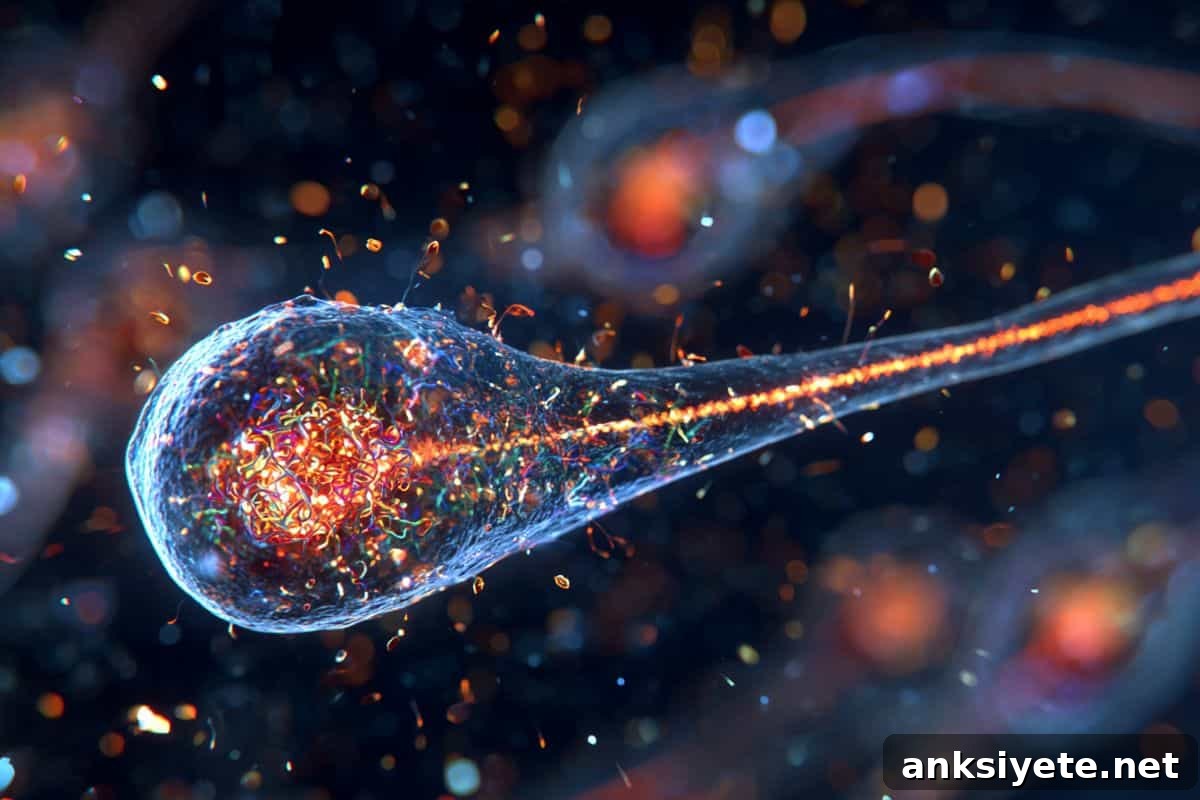
Summary: Once dismissed as a vestigial remnant, the primary cilium is now emerging as a vital architect of the developing brain. New work using large-scale proteomics reveals that these tiny, antenna-like organelles house an unexpectedly complex set of proteins — including machinery that may allow them to synthesize proteins locally — and that disruptions in ciliary composition can contribute to neurodevelopmental disorders.
Analyzing more than 1,000 embryonic mouse brains, researchers mapped the proteins present in primary cilia of radial glial neural progenitors. They found region-specific differences in ciliary composition, identified proteins linked to human developmental syndromes, and detected components of the translational apparatus within cilia — a finding that challenges the traditional view that all proteins destined for cilia must be produced in the cell body and then transported in.
Key Research Findings
- The Hidden Map: Over 1,000 proteins were identified in primary cilia of neural progenitor cells, many not previously associated with this organelle.
- Regional Specialization: The study detected more than 40 proteins whose abundance varies by brain region, indicating cilia can have specialized roles depending on their location in the developing telencephalon.
- The Protein “Bread Maker”: Ribosomal proteins and other components of the protein synthesis machinery were found in cilia, suggesting local translation could occur inside the organelle rather than relying exclusively on delivery from the cell body.
- Ciliopathies and Filippi Syndrome: The protein CKAP2L, linked to Filippi syndrome and smaller brain size, was localized to the primary cilium. Removing CKAP2L in mice reduced brain growth, connecting ciliary dysfunction to neurodevelopmental outcomes.
- Early Developmental Sensing: Each radial glial progenitor bears a single cilium that protrudes into the brain’s fluid-filled ventricles and functions as a sensory hub guiding early brain patterning and signaling.
Source: UCR
A previously underappreciated organelle may be central to brain formation, with implications for developmental disorders and potential therapeutic strategies.
In a study published in Cell Reports, Xuecai Ge and colleagues at the University of California, Riverside applied proximity-labeling proteomics to map proteins in primary cilia of radial glial cells across the developing telencephalon. Primary cilia are tiny, antenna-like projections present on most cell types; despite their ubiquity, their full molecular composition and roles in brain development have been only partially characterized.
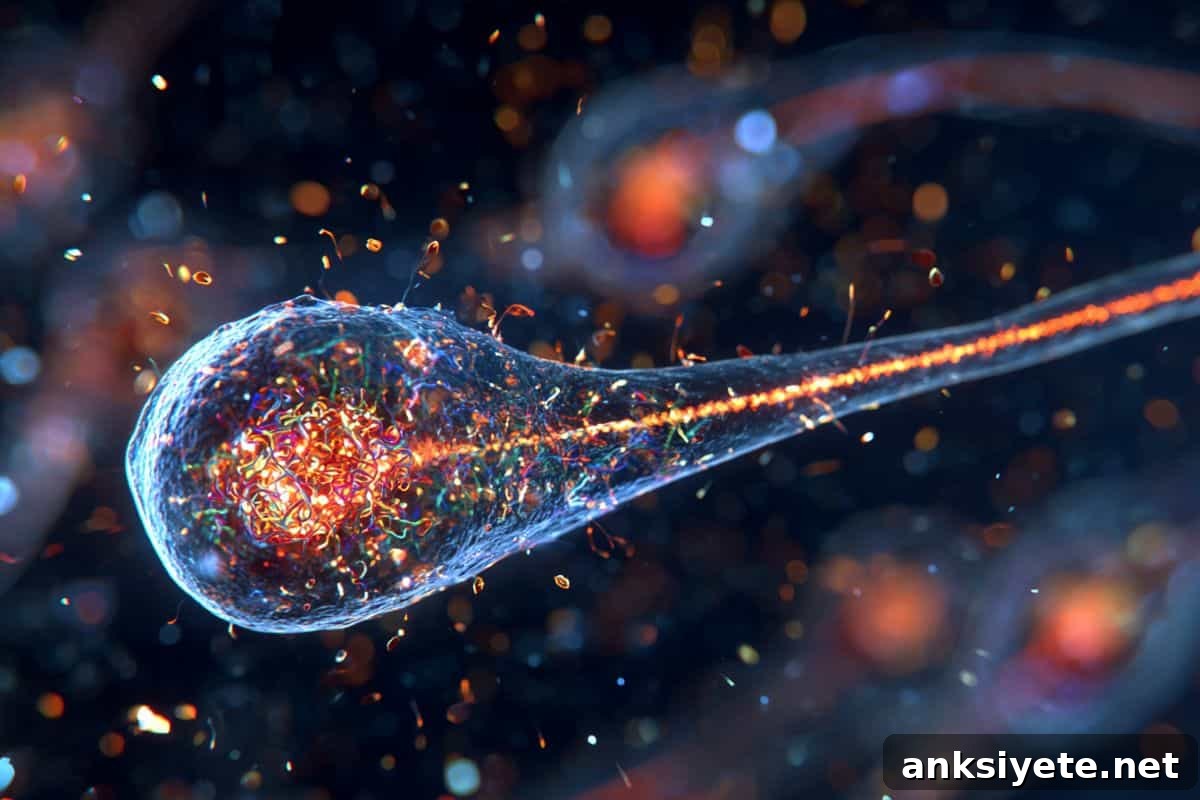
“Many biologists are unfamiliar with this organelle,” Ge said. “We still have much to learn about how cilia contribute to organ development.” Historically regarded as evolutionary leftovers, primary cilia are now linked to a class of diseases called ciliopathies, which can affect the kidneys, vision, metabolism and brain structure. Observed brain abnormalities in patients with ciliopathies motivated this targeted investigation into ciliary composition during cortical development.
The team focused on radial glia — neural progenitors that generate neurons and guide cortical architecture. Each radial glial cell features a single cilium that reaches into the ventricular space. Using in vivo proximity labeling and proteomic analysis across more than 1,000 embryonic mouse brains, the researchers compiled a comprehensive dataset of ciliary proteins in different dorsal and ventral regions of the developing telencephalon.
Among the unexpected findings were ribosomal subunits and translation-related factors inside cilia, implying the organelle may support local protein synthesis. If confirmed functionally, this challenges the long-standing “delivery-only” model in which proteins are made in the soma and later transported into cilia. Local translation would allow cilia to change their proteome rapidly in response to local cues, speeding and refining developmental signaling.
The proteomic map also highlighted several proteins associated with human neurodevelopmental disorders. CKAP2L — implicated in Filippi syndrome, which includes microcephaly — was enriched in cilia; loss of CKAP2L in mice reduced brain size. Another ciliary player, MARCKS, was linked to radial glial polarity and ciliogenesis, underscoring the diverse ways ciliary proteins influence neurogenesis and tissue architecture.
These results provide a resource for connecting genetic mutations to ciliary dysfunction and the cellular mechanisms underlying developmental diseases. By cataloging which proteins reside in cilia and where they act, researchers gain a clearer path to test how specific defects produce clinical phenotypes and whether therapies can target ciliary stability or local protein production.
Ge’s group plans to follow up by determining which of the identified translational components are functionally active inside cilia and how local protein synthesis, if present, regulates neurodevelopmental signaling pathways such as Hedgehog. The study was conducted in collaboration with researchers at UC Merced and the Scripps Research Institute, La Jolla.
Funding: The work was supported by grants from the National Institutes of Health and the National Science Foundation.
Key Questions Answered:
A: Primary cilia are tiny and were widely thought to be vestigial. Only with sensitive biochemical mapping techniques could researchers reveal the organelle’s detailed protein composition and recognize its central signaling role.
A: Yes. If cilia can synthesize proteins locally, they act as decentralized hubs that respond faster and more precisely to developmental cues than if they relied solely on protein transport from the cell body.
A: The findings provide a roadmap. Identifying CKAP2L’s ciliary role points to strategies that might stabilize that protein or support ciliary function to mitigate reduced brain growth, although therapeutic development will require further research.
Editorial Notes:
- This article was edited by a Neuroscience News editor.
- Journal paper reviewed in full.
- Additional context added by editorial staff.
About this neurodevelopment research news
Author: Iqbal Pittalwala
Source: UCR
Contact: Iqbal Pittalwala – UCR
Image: Image credited to Neuroscience News
Original Research: Open access.
“Proximity labeling proteomics maps radial glial ciliary proteins across the developing telencephalon” by Xiaoliang Liu, Oscar T. Gutierrez, Sabyasachi Baboo, Eva Cai, Gurleen Kaur, Yazan Al-Issa, Jolene K. Diedrich, John R. Yates III, and Xuecai Ge. Cell Reports
DOI: 10.1016/j.celrep.2026.117355
Abstract
Proximity labeling proteomics maps radial glial ciliary proteins across the developing telencephalon
Primary cilia on radial glial cells function as signaling hubs that are essential for proper brain development, but their molecular roles have been incompletely characterized.
Using in vivo proximity-labeling proteomics, the authors systematically mapped ciliary proteins across the developing telencephalon and generated a regional proteomic atlas.
The dataset reveals region-specific ciliary composition between dorsal and ventral telencephalic areas and identifies ribosomal proteins and other translational machinery within radial glial cilia.
The study also uncovers ciliary localization for proteins associated with neurodevelopmental disorders, including MARCKS, which regulates radial glial polarity, and CKAP2L, which is linked to Filippi syndrome.
Functional experiments indicate that MARCKS contributes to ciliogenesis while CKAP2L influences neurogenesis, in part by modulating Hedgehog signaling. These results reveal previously unrecognized mechanisms by which primary cilia influence brain formation.
This in vivo ciliary proteomic resource offers a foundation for future work to understand ciliary functions in neurodevelopment and the molecular basis of related disorders.