
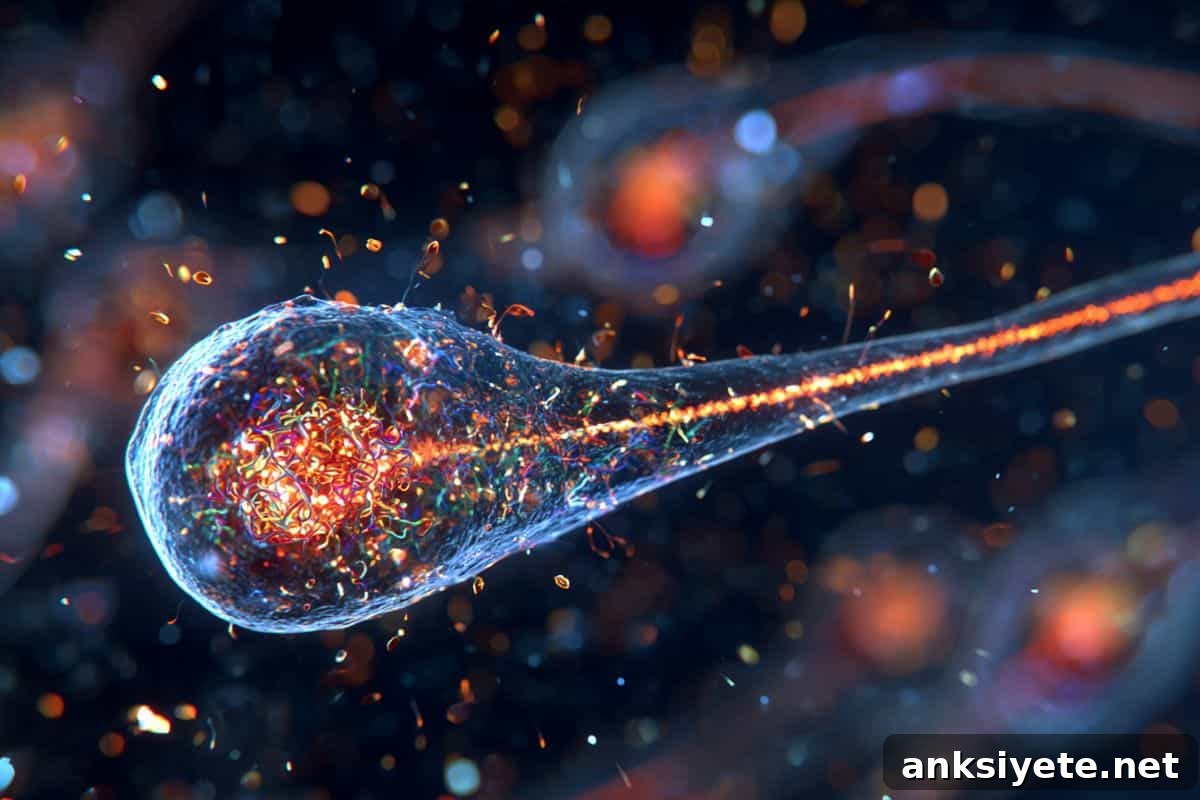
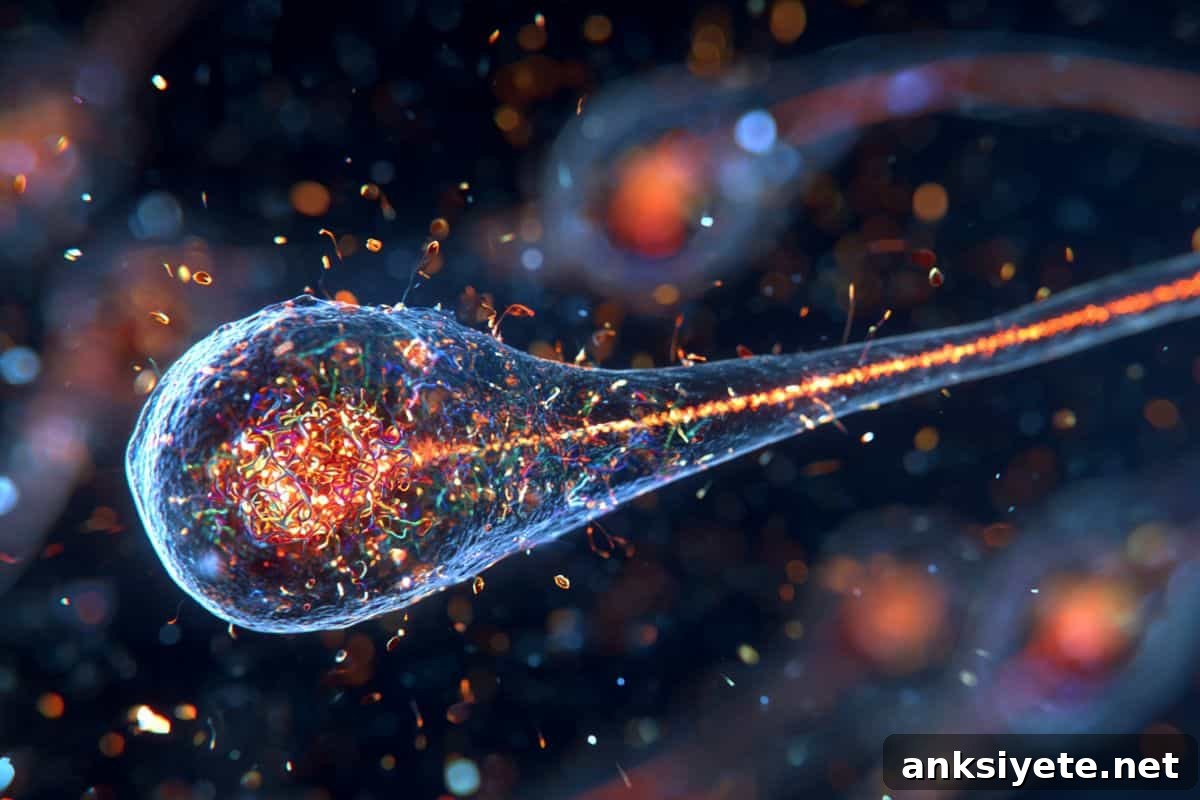
Summary: For years the primary cilium was dismissed as a vestigial cellular appendage. New research now shows this tiny, antenna-like structure is a key organizer of early brain formation.
A comprehensive study of over 1,000 mouse embryonic brains reveals the primary cilium contains an unexpected assortment of proteins linked to human developmental disorders. Most strikingly, the study provides evidence that cilia may host their own protein-making machinery, challenging the long-held view that they only receive proteins transported from the cell body.
Key Research Findings
- Extensive ciliary proteome: Researchers identified more than 1,000 proteins localized to the primary cilia of neural progenitor (radial glial) cells, many not previously known to be present there.
- Regional specialization: Ciliary composition differs across brain regions; over 40 proteins were found to vary between dorsal and ventral telencephalic cilia, implying specialized regional functions.
- Local protein synthesis machinery: Ribosomal proteins and components of the translational apparatus were detected in cilia, suggesting the possibility of on-site protein production within these organelles.
- Links to developmental disorders: The study connected several disease-associated proteins to ciliary function, including CKAP2L, which is associated with Filippi syndrome and reduced brain size; loss of CKAP2L in mice led to smaller brains.
- Role in early neurodevelopment: Each neural progenitor cell bears a single cilium that projects into fluid-filled ventricles, acting as a sensor that helps direct neurogenesis and brain patterning.
Source: UCR
An overlooked cellular antenna shapes brain development and offers new paths to understand ciliopathies and neurodevelopmental disorders.
Published in Cell Reports, the study was led by biomedical scientist Xuecai Ge at the University of California, Riverside. Ge and collaborators used proximity-labeling proteomics to map proteins in radial glial cilia across the developing telencephalon, producing the largest in vivo ciliary proteomic dataset for this brain region to date.
“Many biologists are still unfamiliar with the primary cilium,” said Ge, an associate professor of biomedical sciences. “Our findings show it is far more than a passive appendage; it appears to be an active hub influencing neural development.”
Until recently the cilium was often treated as a cellular curiosity. Disruption of ciliary structure or function is now known to cause a class of disorders called ciliopathies, which can affect organs across the body and frequently include neurological abnormalities. That connection motivated Ge’s team to investigate ciliary composition specifically in neural progenitors.
The researchers focused on radial glial cells, the neural progenitors that generate most neurons in the developing brain. Each radial glial cell extends a single primary cilium into the brain’s ventricles, where it senses signaling cues that guide proliferation, differentiation, and tissue patterning.
Using a large-scale biochemical approach on over 1,000 embryonic mouse brains, the team cataloged ciliary proteins and validated many candidates. Among the notable discoveries was evidence for ribosomal components and translational machinery within cilia—suggesting these organelles could locally synthesize proteins in response to developmental signals, rather than relying exclusively on cargo shipped from the cell body.
The study also mapped region-specific differences in ciliary content across the dorsal and ventral telencephalon. “Region-dependent variation points to specialized ciliary roles in different parts of the developing brain,” Ge explained. “This specialization likely contributes to the precise spatial and temporal control required for normal neurodevelopment.”
Functional experiments linked several ciliary proteins to key developmental processes. For example, CKAP2L—a protein associated with Filippi syndrome—was shown to influence brain size in mice, while MARCKS played a role in ciliogenesis and radial glial polarity. The authors also found that CKAP2L affects neurogenesis partly by modulating Hedgehog signaling, a pathway crucial for brain patterning.
These results have practical implications: identifying the proteins that reside in cilia and understanding their roles provides a roadmap to connect genetic variants with cellular mechanisms that go awry in ciliopathies and neurodevelopmental disorders. That information could guide future therapeutic strategies aimed at stabilizing ciliary proteins or restoring ciliary function.
Ge emphasized that additional work is required to confirm whether the translational machinery observed in cilia is actively synthesizing proteins there and to determine which specific proteins are produced locally. “We’ve only begun to probe how this tiny structure shapes the developing brain,” she said. “There is much more to learn.”
Collaborators on the study included researchers at UC Merced and the Scripps Research Institute. The project received support from the National Institutes of Health and the National Science Foundation.
Key Questions Answered:
A: Primary cilia are extremely small and were once considered vestigial. Only with sensitive biochemical mapping has it become possible to detect their detailed protein composition and recognize their signaling and regulatory roles.
A: Yes. If cilia can synthesize proteins locally, they could respond more rapidly and precisely to developmental signals, acting like remote, specialized sites of protein production rather than passive recipients.
A: The findings provide a molecular map pointing to ciliary proteins such as CKAP2L. This knowledge narrows potential therapeutic targets focused on preserving ciliary structure or stabilizing specific proteins to prevent reduced brain growth.
Editorial Notes:
- This article was edited by a Neuroscience News editor.
- Journal paper reviewed in full.
- Additional context added by editorial staff.
About this neurodevelopment research news
Author: Iqbal Pittalwala
Source: UCR
Contact: Iqbal Pittalwala – UCR
Image: Image credited to Neuroscience News
Original Research: Open access. “Proximity labeling proteomics maps radial glial ciliary proteins across the developing telencephalon” by Xiaoliang Liu, Oscar T. Gutierrez, Sabyasachi Baboo, Eva Cai, Gurleen Kaur, Yazan Al-Issa, Jolene K. Diedrich, John R. Yates III, and Xuecai Ge. Cell Reports. DOI: 10.1016/j.celrep.2026.117355
Abstract
Proximity labeling proteomics maps radial glial ciliary proteins across the developing telencephalon
Primary cilia in radial glia function as signaling hubs critical for brain development, but their molecular roles remain incompletely defined. Using in vivo proximity-labeling proteomics, the authors systematically mapped ciliary proteins across the developing telencephalon. The dataset reveals region-specific ciliary composition between dorsal and ventral regions and identifies ribosomal and translational components in radial glial cilia. The study uncovers ciliary roles for proteins linked to neurodevelopmental disorders, including MARCKS, a regulator of radial glial polarity, and CKAP2L, associated with Filippi syndrome. Functional assays demonstrate MARCKS contributes to ciliogenesis, while CKAP2L regulates neurogenesis through modulation of Hedgehog signaling. These results highlight previously unrecognized mechanisms by which primary cilia influence brain formation and provide a resource for understanding ciliary contributions to developmental disorders.