
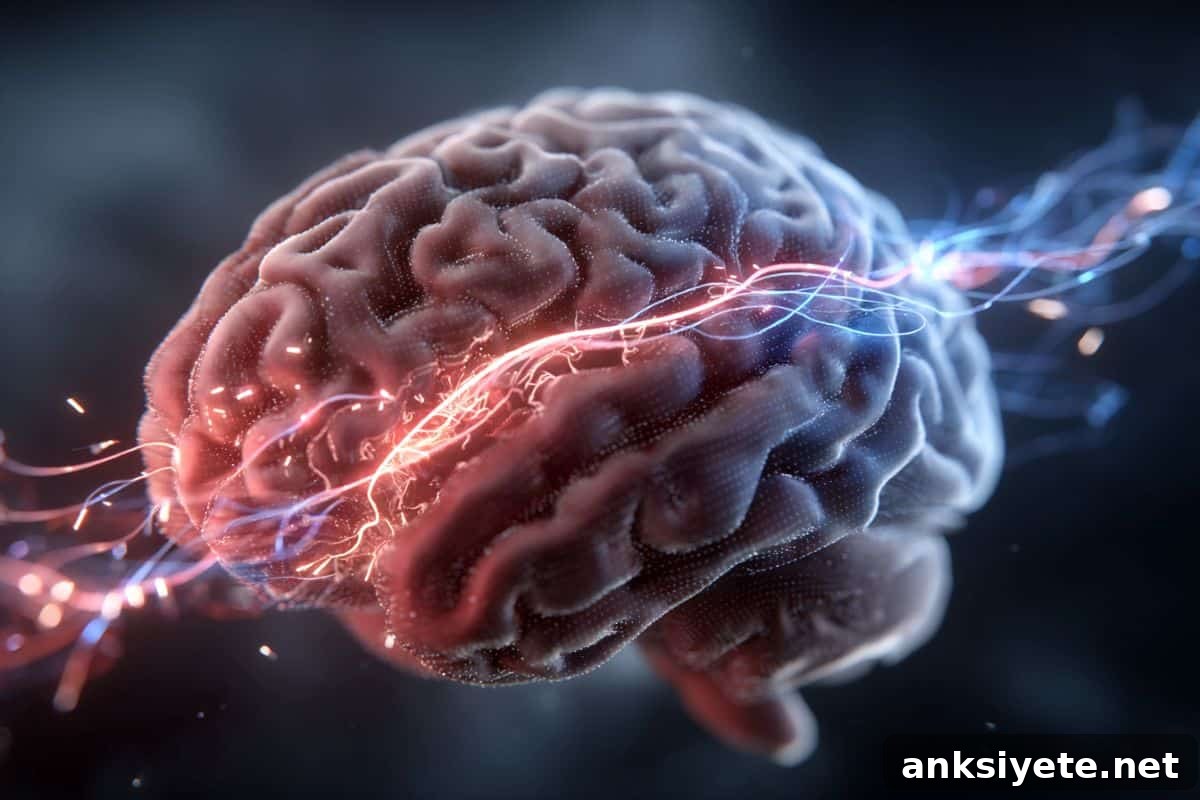
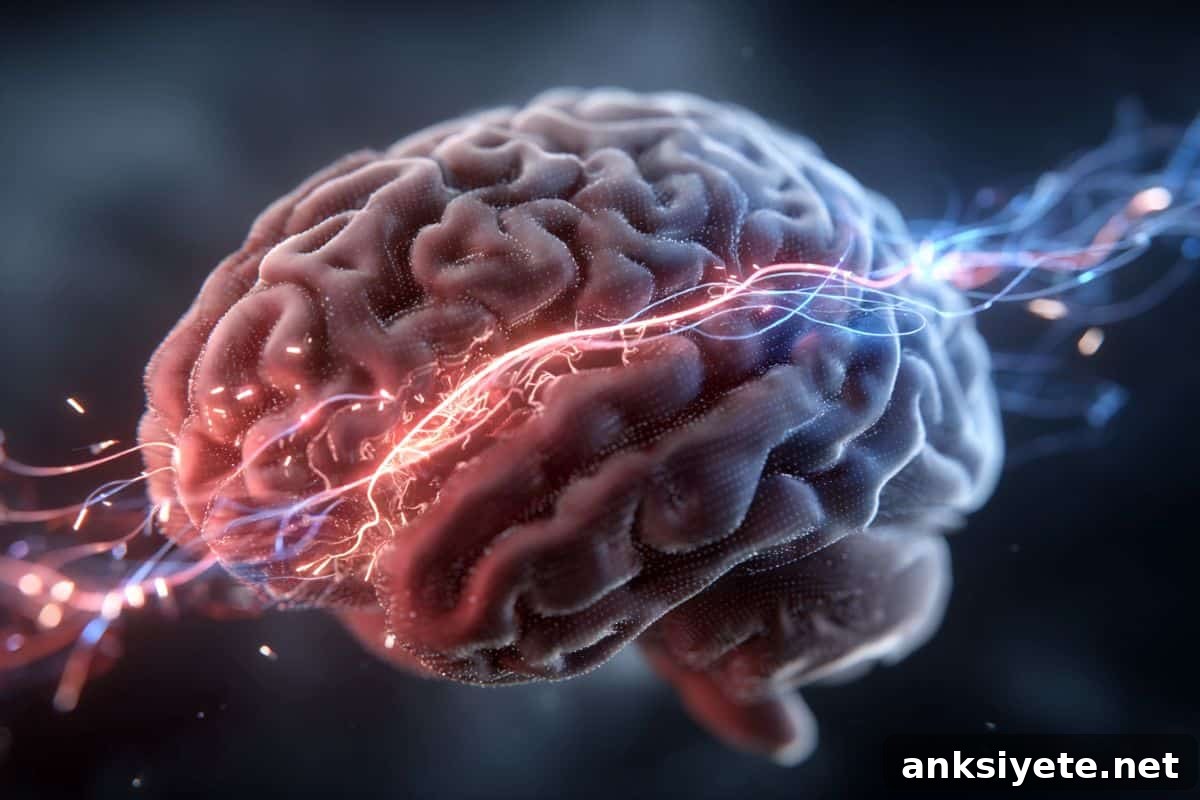
Summary: GLP-1 weight-loss medications do far more than create a feeling of fullness. New research shows these drugs reach deep into the brain and reshape circuits that govern motivation and reward, helping explain both their strong effects on appetite and some of their side effects.
By linking hindbrain regions to the central amygdala and to dopamine-producing neurons, these therapies effectively lower the brain’s drive to pursue high-calorie, rewarding foods. That neural shift reduces cravings for indulgent foods but can also alter pleasure and contribute to side effects such as nausea.
Key Facts
- Targeting desire as well as sensation: Beyond signaling fullness, GLP-1 drugs engage a circuit that connects the central amygdala with dopamine neurons, reducing the motivational pull to seek rewarding foods rather than only lowering appetite.
- Oral small-molecule formulations: Newer oral GLP-1 compounds are more stable and less costly than injectable peptide drugs and can penetrate deeper brain regions involved in assigning value to rewards.
- Dopamine and reward value: By influencing dopamine-producing neurons, these medicines lower the subjective reward value of calorie-rich foods; in other words, the brain is less likely to treat cake as a prize.
- Applications beyond weight loss: Because the affected pathways also shape impulse control and addictive behavior, GLP-1 drugs may have potential to help with compulsive behaviors such as smoking or problematic alcohol use.
- Risk of reduced pleasure: Some people report a diminished ability to experience pleasure (anhedonia). The study links this effect to changes in central reward circuitry, underscoring the need for more targeted drug designs.
Source: UVA
New University of Virginia study finds GLP-1 weight-loss drugs change brain circuits that control motivation and reward
Published in Nature, research led by UVA neuroscientist Ali D. Güler demonstrates that next-generation oral GLP-1 drugs do more than blunt appetite—they alter how the brain values food, accounting for both their therapeutic power and some unintended effects.
“These drugs are incredibly effective,” Güler said. “We wanted to know what they do inside the brain.”
Key findings
- GLP-1 receptor agonists influence metabolic systems and also engage brain reward circuits.
- Investigators identified a pathway connecting the hindbrain, central amygdala and dopamine-producing neurons that modulates food-seeking behavior.
- The drugs reduce both hunger and the desire for highly palatable, calorie-dense foods.
- These neural effects help explain therapeutic benefits and common side effects, including nausea and a lowered sense of pleasure.
Beyond appetite suppression
GLP-1 receptor agonists were originally developed to improve insulin responses in Type 2 diabetes, with weight loss emerging as an important secondary outcome. To better understand brain effects, the UVA team used genetically engineered mouse models to study how newer small-molecule, orally available GLP-1 drugs act in the nervous system.
Previous work established that GLP-1 drugs act in the hindbrain to promote fullness and sometimes cause nausea. The UVA researchers found that, in addition to those established actions, small-molecule GLP-1 compounds recruit a distinct population of GLP-1–sensitive neurons in the central amygdala. Those neurons then influence dopamine release, especially in areas that assign value to rewarding stimuli.
Stimulating the central amygdala neurons decreased hedonic feeding, while removing the receptor from that cell group reduced the drug’s effect on reward-driven consumption. In short, GLP-1 compounds act on both homeostatic feeding systems and a separate hedonic circuit that controls how rewarding food feels.
The study also explains variability across drugs: some compounds more strongly trigger hindbrain pathways that produce nausea, while others preferentially target the reward pathway and reduce food motivation without the same discomfort.
Implications for medicine, industry and society
These findings arrive amid a push by pharmaceutical companies to develop oral, small-molecule GLP-1 therapies that are easier to manufacture and distribute than injectable peptides. Oral options may lower costs and increase access, but deeper knowledge of neurological effects is essential.
“If these drugs alter reward pathways, their influence could extend beyond weight loss,” Güler noted. That includes potential effects on addiction, impulse control and overall experience of pleasure.
Early reports indicate some patients find it easier to curb compulsive behaviors like smoking, while others describe a blunting of enjoyment. Both outcomes point to the need for more precise targeting as new drugs are designed and approved.
“Our responsibility is to understand not only whether a therapy works but how it works, so we can refine treatments and anticipate side effects,” Güler said. Careful clinical oversight will be vital as these compounds move into wider use.
Next steps
Güler’s team continues to map the circuits involved and to test how different GLP-1 compounds engage them. The goal is to identify strategies that preserve appetite-suppressing benefits while minimizing unwanted effects on pleasure and nausea.
“This is the beginning of a path toward therapies that could selectively target overeating, addiction, or other behaviors tied to reward processing,” Güler said. As use of GLP-1 drugs expands, understanding their full neurological profile will be critical for clinicians, patients, and public health planning.
Funding: The research was supported by internal funds from the University of Virginia, including its Brain Institute and Arts & Sciences programs.
Key Questions Answered:
A: Different neural circuits are involved. Some GLP-1 responses activate hindbrain pathways that produce nausea, while other circuits—particularly the central amygdala to dopamine pathway—reduce food motivation without the same nausea. Future drug designs may aim to target the reward circuit selectively.
A: Potentially. By dampening dopamine responses to rewarding cues, GLP-1 drugs could reduce cravings for substances like nicotine or alcohol. Clinical studies are investigating these possibilities.
A: Responses vary. Some people report a reduced ability to experience pleasure (anhedonia), while others notice they simply feel satisfied sooner and enjoy meals in smaller amounts. Ongoing research aims to preserve satiety benefits while avoiding loss of enjoyment.
Editorial Notes:
- This article was edited by a Neuroscience News editor.
- The underlying journal paper was reviewed in full.
- Additional context was provided by editorial staff.
About this neuroscience and neuropharmacology research news
Author: Russ Bahorsky
Source: UVA
Contact: Russ Bahorsky – UVA
Image: The image is credited to Neuroscience News
Original Research: Open access.
“A brain reward circuit inhibited by next-generation weight-loss drugs in mice” by Elizabeth N. Godschall et al., Nature. DOI: 10.1038/s41586-026-10444-4
Abstract
A brain reward circuit inhibited by next-generation weight-loss drugs in mice
Glucagon-like peptide 1 receptor agonists (GLP1RAs) effectively reduce body weight and improve metabolic outcomes, but peptide-based therapies require injections and are complex to manufacture.
Small-molecule GLP1RAs offer oral bioavailability and scalable manufacturing, though species differences have made mechanistic studies difficult.
Using humanized GLP1R mouse models, the researchers show these compounds regulate both homeostatic and hedonic feeding through parallel neural circuits. In addition to hypothalamic and hindbrain networks that govern metabolic homeostasis, small-molecule GLP1RAs recruit a population of Glp1r-expressing neurons in the central amygdala. Activation of this circuit selectively suppresses consumption of palatable foods by reducing dopamine release in the nucleus accumbens.
Stimulating the central amygdala neurons reduces hedonic feeding, while deleting the receptor in that cell population diminishes the anorectic effect of GLP1RAs on reward-driven intake. These findings identify a neural pathway through which small-molecule GLP1RAs modulate reward processing, with implications for treating substance-use disorders and binge eating.