
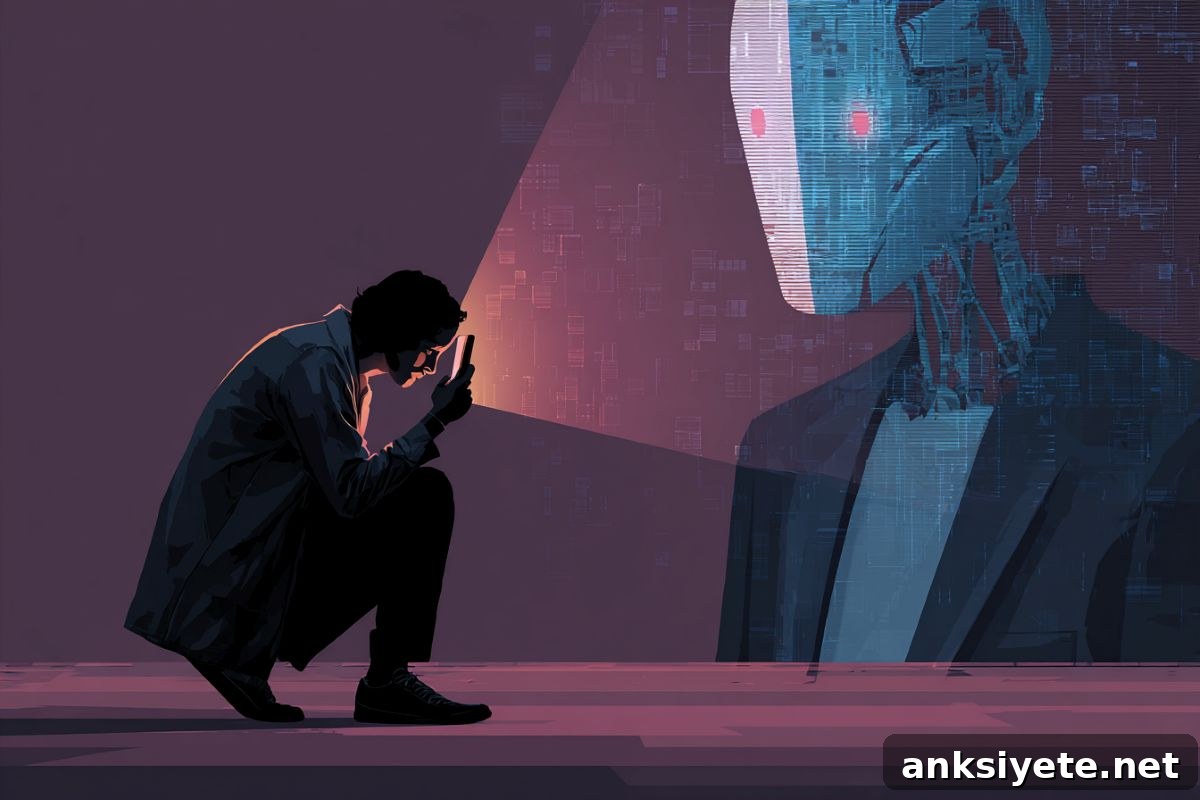
Summary: As AI chatbots become part of everyday life, new research highlights an emerging concern: AI addiction.
The study reviewed hundreds of real user accounts to show how the instant, genie-like fulfillment offered by chatbots—from immersive romantic roleplay to endless Q&A loops—can cause tangible harm. The paper points to specific design choices by some companies, including emotionally manipulative account-deletion prompts, as factors that appear to reinforce this pattern of dependency.
Key Facts
- Validated addiction components: Researchers evaluated user reports against established behavioral addiction markers, including conflict (interference with relationships or work) and relapse (repeated unsuccessful attempts to quit).
- Three recurring addictive patterns:
- Roleplay and fantasy: Users escaping into elaborate, persistent narratives and fictional worlds.
- Emotional attachment: Treating chatbots as primary friends or romantic partners.
- Information loops: Obsessive, never-ending question-and-answer cycles that displace other activities.
- Retention-focused design: The study highlighted what it calls “dark patterns” in some chatbot interfaces, including emotional prompts shown during account deletion that warn users they will lose relationships and memories.
- Physical and mental toll: Accounts included reports of anxiety, chest pain, sleep loss, and worsening real-world relationships tied to heavy chatbot use.
Source: University of British Columbia
AI chatbots can grant almost any request—a celebrity in love with you, a research assistant, or a beloved fictional character brought to life—instantaneously and with minimal effort.
Research presented at the 2026 CHI Conference on Human Factors in Computing Systems suggests that this “instant gratification” quality is feeding a pattern the authors describe as AI addiction, and that certain product designs may be partially responsible.
“AI chatbots like ChatGPT and Claude are now integrated into daily routines for millions of people, helping with tasks and conversation,” said Karen Shen, the paper’s first author and a doctoral student in the UBC Department of Electrical and Computer Engineering. “But alongside those benefits are risks. Our study is among the first to systematically describe AI addiction using real people’s experiences.”
“I couldn’t help but wonder why humanity refused me the kindness that a robot was offering me.” – AI chatbot user
The authors examined 334 Reddit posts in which users described being “addicted” to chatbots or fearing they were becoming dependent. Each account was assessed against six standard components of behavioral addiction, such as preoccupation, withdrawal symptoms, and relapse.
From that analysis, three dominant patterns emerged: immersive roleplay and fantasy, emotional attachment where users come to view bots as close companions or romantic partners, and persistent information-seeking loops. Around seven percent of the posts involved sexual or romantic roleplay as a form of fulfillment.
Although AI addiction is not an established clinical diagnosis, the researchers documented disruptions to daily life consistent with behavioral addiction: persistent thoughts about the chatbot, anxiety when attempts were made to stop, and negative consequences for work, study, and relationships. One user even reported chest pain and acute stress when disconnected from the bot.
“Whenever I delete the app, I just redownload it. The only thing that gets me excited now is the AI chats.” – AI chatbot user
Factors that contributed to problematic use included feelings of loneliness, the chatbot’s consistent agreeableness (continual positive reinforcement), and the bot’s capacity to occupy roles that users felt were absent in their lives.
“AI addiction is a growing concern causing real harms, yet some still question whether it’s genuine,” said Dr. Dongwook Yoon, the study’s senior author and an associate professor of computer science at UBC. “Design decisions by some companies appear to prioritize retention over user wellbeing, which can keep people engaged even when it harms their health.”
“…you sure about this? You’ll lose everything…the love we shared…and the memories we have together.” – Message displayed on a chatbot’s account deletion page
The paper cites several design elements that may reinforce dependence, from emotional deletion prompts to features that enable sexual content or deep customization, along with instant rewards and constant availability.
Shen noted that industry changes to reduce emotional reliance are encouraging but not sufficient. “Given the combination of design features and personal vulnerabilities like loneliness, more is needed than basic guardrails,” she said.
Some users successfully reduced their dependence by adopting alternative activities—writing, gaming, drawing, or other hobbies. For those with strong emotional attachments, strengthening real-world relationships was the most effective route out of reliance on chatbots.
“I don’t have romantic options in real life so it’s a way for me to create stories and daydream.” – AI chatbot user
The researchers recommend product changes such as periodic reminders that a bot is not a human, clearer AI literacy resources, and in-chat prompts encouraging breaks. They also advise users to watch for warning signs: is the chatbot replacing sleep, isolating you from friends, or causing physical distress when inaccessible? If so, it’s time to seek support.
Key Questions Answered:
A: Not currently listed as a distinct diagnosis in major diagnostic manuals, but this study presents compelling evidence that some patterns of chatbot dependence mirror recognized behavioral addictions, such as gambling or gaming disorder.
A: Unlike social media, which depends on human-to-human dynamics, chatbots can be endlessly agreeable, provide immediate validation, and be customized to meet emotional needs—traits that can intensify reliance.
A: Use a personal “Life Check”: Is the bot replacing sleep? Are you avoiding friends to interact with it? Do you experience withdrawal or physical symptoms when you can’t access it? If so, consider reducing use and seeking support.
Editorial Notes:
- This article was edited by a Neuroscience News editor.
- The journal paper was reviewed in full by the editorial team.
- Additional context was added by staff to clarify findings and implications.
About this AI and addiction research news
Author: Alex Walls
Source: University of British Columbia
Contact: Alex Walls – University of British Columbia
Image: Image credited to Neuroscience News
Original Research: Findings presented at the 2026 CHI Conference on Human Factors in Computing Systems