
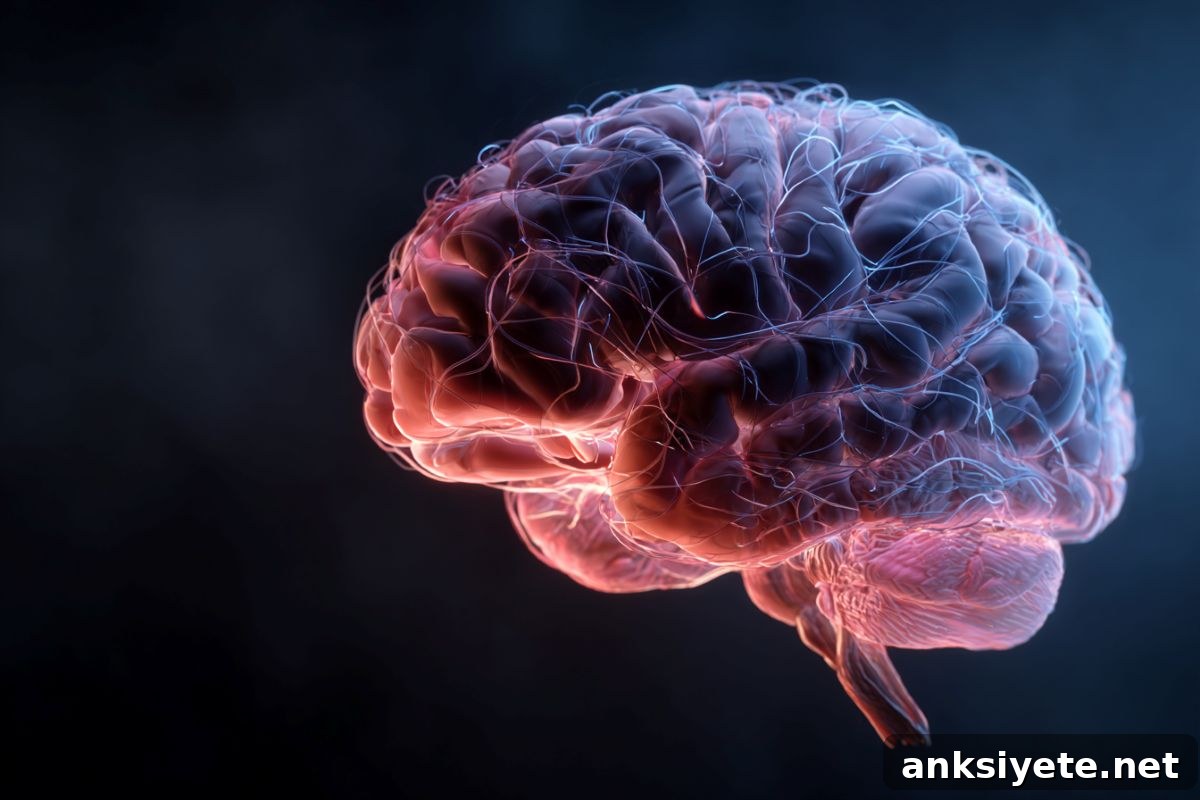
Summary: Scientists have mapped a specific neural pathway that controls how the body adapts to changes in dietary protein. The study centers on the liver-derived hormone FGF21 and shows how it communicates with a precise group of hindbrain neurons to regulate food choice, appetite and energy expenditure.
Contrary to the common view that metabolic control is dominated by hypothalamic centers, this research identifies neurons in the hindbrain as a critical command node for FGF21 signaling. These neurons sense low dietary protein and trigger rapid behavioral and metabolic adjustments that help maintain energy and nutrient balance.
Key Facts
- FGF21 as a protein sensor: FGF21 is a hormone produced by the liver that signals the brain when dietary protein intake is insufficient, prompting compensatory changes in feeding and metabolism.
- Hindbrain as a central regulator: A discrete population of neurons in the hindbrain is both necessary and sufficient for the metabolic responses driven by FGF21; without this circuit, the body fails to adapt properly to protein restriction.
- Integrated neural control: These findings revise the traditional “top-down” view that the hypothalamus alone controls metabolic adaptation, revealing a more integrated system in which the hindbrain plays a leading role.
- Therapeutic implications: FGF21-based therapies currently under investigation for obesity and diabetes may be enhanced by specifically targeting the brain circuits identified in this study, potentially improving effects on appetite, food preference and metabolic rate.
Source: Pennington Biomedical Research Center
Researchers at Pennington Biomedical Research Center provide new insight into how the brain and body coordinate to regulate food intake, energy use and metabolism—findings that advance our understanding of obesity and metabolic health.
The study, titled “FGF21 signals through hindbrain neurons to alter food intake and energy expenditure during dietary protein restriction,” was published in Cell Reports and led by Dr. Christopher Morrison, Associate Executive Director for Basic Science at Pennington Biomedical, together with colleagues. The work focuses on Fibroblast Growth Factor 21 (FGF21), a hormone produced by the liver that helps the body adapt to dietary changes and nutritional stress.
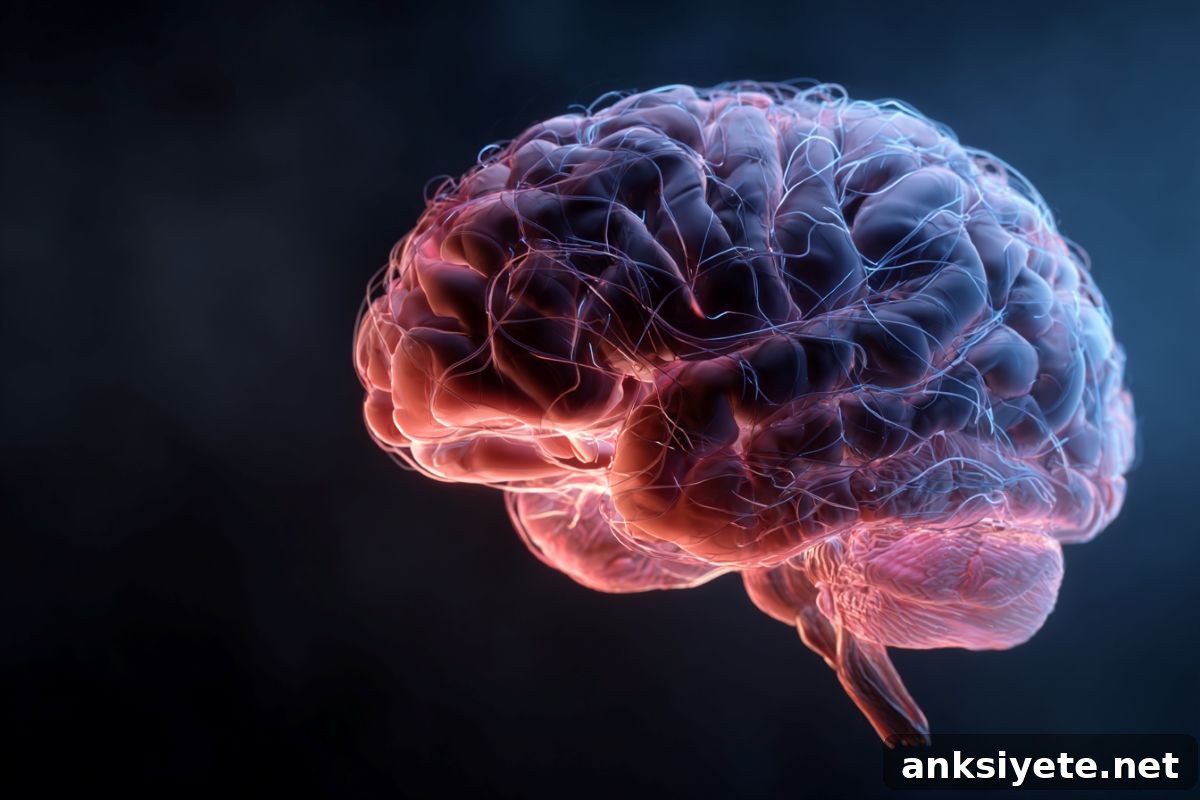
The team identified a targeted group of glutamatergic neurons in the nucleus of the solitary tract (NTS) of the hindbrain that express the beta‑klotho (KLB) co-receptor and respond directly to FGF21. Activation of these NTS-KLB neurons changes food intake, shifts food preference toward protein-rich options and alters energy expenditure—responses that help the organism cope with protein-restricted diets.
Systematic testing showed that other brain regions previously implicated in FGF21 actions—such as the suprachiasmatic nucleus (SCN), paraventricular nucleus (PVN) and ventromedial hypothalamus (VMH)—are not required for the adaptive responses to protein restriction. In contrast, selectively eliminating NTS-KLB neurons prevented the normal behavioral and metabolic adaptations, while chemogenetic activation of the same neurons was sufficient to produce those adaptations.
These results demonstrate that NTS-KLB neurons form a defined neural circuit linking liver-derived FGF21 to changes in feeding behavior and energy balance. By pinpointing where FGF21 acts in the brain, the study clarifies the neural basis of diet-driven metabolic regulation and highlights the hindbrain’s role as a sophisticated regulator, not merely a site for basic reflexes.
“This work highlights how tightly nutrition is linked to brain function,” said Dr. Morrison, co-director of the Neurosignaling Laboratory. “The body continuously monitors nutritional intake and makes dynamic adjustments; understanding those signals is essential for improving metabolic health.” He added that FGF21-based therapies might be refined to target the specific brain circuits controlling eating behavior and metabolic rate, and that clinical trials should consider endpoints beyond liver fat, such as dietary behavior and energy expenditure.
Obesity, diabetes and related metabolic disorders remain major global health challenges. Disruptions in the neural systems that regulate energy balance contribute to these conditions. Identifying the pathways that connect peripheral nutrient sensing to central neural control provides a clearer roadmap for developing targeted treatments.
FGF21-based treatments are already being evaluated clinically for obesity and metabolic disease. Mapping the exact neural targets of FGF21 will help optimize these therapies to maximize benefits and minimize unintended effects on behavior or other physiological systems.
“This study exemplifies the value of basic science for human health,” said Dr. Jennifer Rood, Interim Senior Vice Chancellor and Executive Director at Pennington Biomedical. “By revealing how the brain and body communicate, this work lays groundwork for novel approaches to treat obesity and metabolic disease.”
Funding: This research was supported by the National Institutes of Health. The authors also acknowledge the leadership and staff of the Pennington Biomedical Comparative Biology Core and the Animal Metabolism and Behavior Core for their expert technical assistance.
Contributors from Pennington Biomedical include Drs. Redin Spann, Sora Kim, Shahjalal Khan, Diana Albarado, Sun Fernandez‑Kim, Hans‑Rudolf Berthoud, David McDougal, Heike Münzberg‑Gruening, Yanlin He, Sangho Yu and Christopher D. Morrison.
Key Questions Answered:
A: Protein supplies essential amino acids required for growth, repair and survival. When protein intake declines, the liver increases FGF21 production. FGF21 signals to the brain—specifically the NTS-KLB neurons—to adjust appetite, drive cravings for protein-rich foods and modify resting energy expenditure to rebalance nutrient supply.
A: FGF21-based treatments are already in clinical testing. This study identifies the precise hindbrain circuit where FGF21 acts, suggesting future drugs could be designed to engage those neurons to influence food choice and metabolic rate more directly, potentially improving efficacy and reducing side effects.
A: No. While the hindbrain controls vital reflexes, this research shows it also serves as an advanced metabolic control center that monitors circulating signals and orchestrates complex behaviors like food selection and energy regulation.
Editorial Notes:
- This article was edited by a Neuroscience News editor.
- The underlying journal paper was reviewed in full.
- Additional context was added by staff for clarity and accuracy.
About this neuroscience and metabolism research news
Author: Ernie Ballard
Source: Pennington Biomedical Research Center
Contact: Ernie Ballard – Pennington Biomedical Research Center
Image: Image credit: Neuroscience News
Original Research: Closed access. “FGF21 signals through hindbrain neurons to alter food intake and energy expenditure during dietary protein restriction” by Redin A. Spann et al., Cell Reports. DOI: 10.1016/j.celrep.2026.117218
Abstract
FGF21 signals through hindbrain neurons to alter food intake and energy expenditure during dietary protein restriction
Fibroblast growth factor 21 (FGF21) is a metabolic hormone required for adaptive responses to dietary protein restriction, but the specific neural circuit responsible for these effects was not fully defined. This study identifies a discrete population of glutamatergic, Klb-expressing neurons in the nucleus of the solitary tract (NTS) that directly respond to FGF21 and mediate its actions during protein restriction.
Using a Klb-Flp mouse line with intersectional genetic tools, the authors show that NTS-KLB neurons are activated by FGF21. Systematic analysis ruled out other previously implicated regions—such as the SCN, PVN and VMH—as necessary for the FGF21 response. Selective ablation of NTS-KLB neurons blocked the metabolic adaptations normally seen during protein restriction, while chemogenetic activation of these neurons was sufficient to induce changes in food intake, food choice and energy expenditure.
These results demonstrate that NTS-KLB neurons are a key neural circuit linking hepatic FGF21 signaling to behavioral and metabolic adjustments during protein restriction, providing a mechanistic bridge between peripheral nutrient sensing and central regulation of energy balance.