
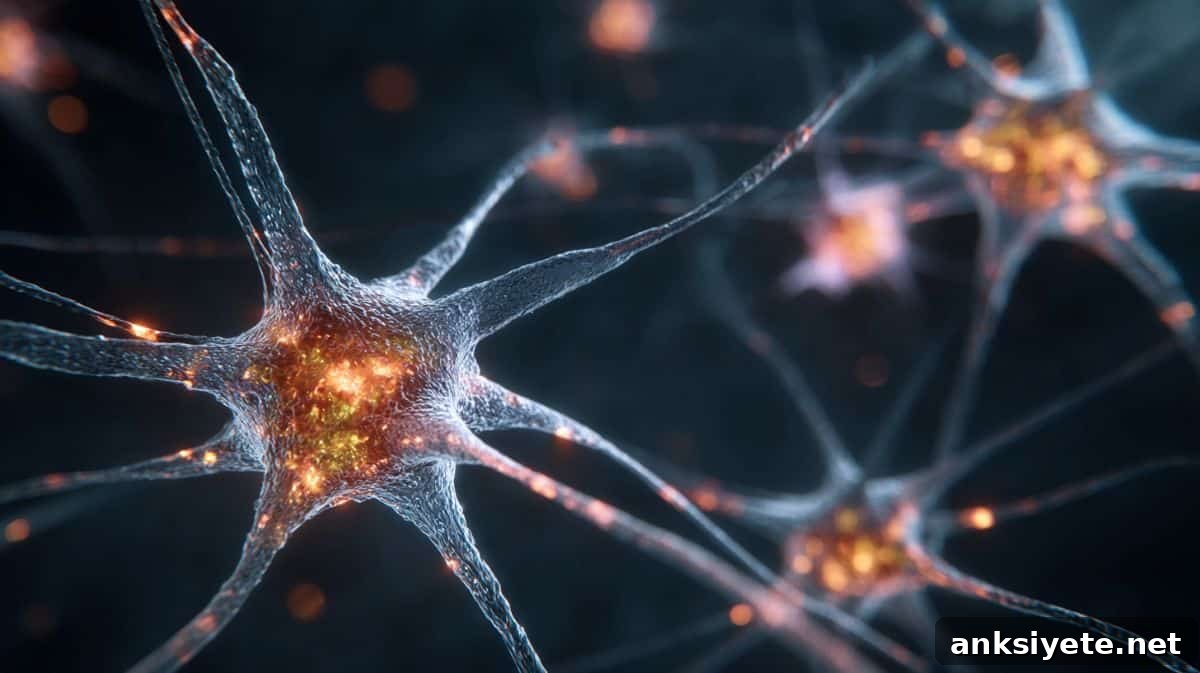
Summary: Researchers have narrowed the divide between living tissue and silicon by building a three-dimensional programmable device that integrates living brain cells with advanced electronics. Unlike earlier “brain-on-a-chip” approaches that grew cells on flat surfaces, this device uses a flexible, microscopic metal mesh as a scaffold so that tens of thousands of neurons can grow around and through the sensors, forming an intimate, volumetric interface.
The study shows this engineered biological neural network can be trained to recognize complex electrical patterns, suggesting a path toward far more energy-efficient computing than many contemporary AI methods.
Key Facts
- From the Inside Out: The device consists of a three-dimensional mesh of microscopic wires and electrodes coated with a very thin, flexible epoxy layer, enabling a direct mechanical and electrical interface with soft neural tissue.
- Long-Term Stability: The team recorded and stimulated the cultured network for more than six months, tracking how neuronal connections form, change, and strengthen over time.
- Pattern Recognition: Using computational readout and training, researchers taught the network to distinguish distinct spatial patterns and different temporal sequences of electrical pulses.
- Energy Efficiency: The human brain accomplishes similar pattern-recognition tasks with orders of magnitude less energy than current AI systems; this bio-hybrid technology is aimed at narrowing that efficiency gap.
Source: Princeton University
Princeton researchers have combined living neurons and advanced microelectronics into a single 3D device that can be programmed to recognize patterns using computational techniques.
Previous efforts to harness neural tissue for computation typically used two-dimensional cell cultures on flat substrates or three-dimensional clusters observed from outside. The Princeton team pursued a different route by designing a microfabricated mesh that becomes an intrinsic part of the tissue, allowing neurons to envelop the electronics rather than merely sit atop them.
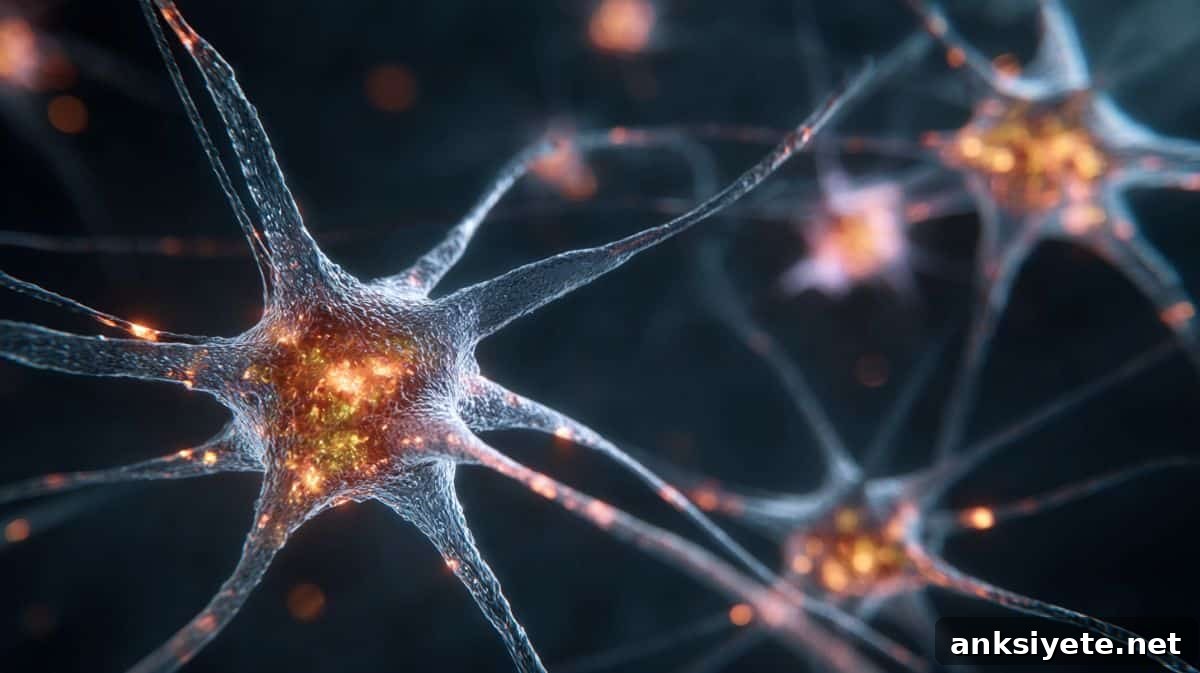
Using advanced microfabrication, the researchers produced a three-dimensional lattice of microscopic metal traces and electrodes, all covered by a very thin epoxy layer that preserves flexibility. That mechanical compliance is critical: it lets soft neurons attach, extend processes, and grow both around and through the sensor array without disrupting normal tissue dynamics. The mesh served as a scaffold for tens of thousands of neurons, which formed a dense, volumetric network capable of supporting computational functions.
Published in Nature Electronics on Apr. 23, the work reports a stable device–tissue interface that supports chronic recording and stimulation across multiple planes within the culture. This capability allowed the researchers to monitor action potentials and connectivity patterns continuously for months while applying controlled stimulation to modify network wiring.
The integrated design improved spatial and temporal resolution over prior techniques. Over a six-month period the team mapped evolving connectivity, characterized pharmacological responses, and used patterned electrical stimulation to strengthen or weaken selected synaptic links. By combining those interventions with algorithms that interpret network activity, they created a reservoir-style neural computing system that could be trained to recognize specific input patterns.
In experimental tests, the engineered network reliably distinguished between pairs of distinct spatial stimulation patterns and between distinct temporal pulse sequences. The researchers report successful pattern discrimination in both cases and state their intent to scale the approach to address more complex computational tasks.
The project was led jointly by Tian-Ming Fu, Assistant Professor of Electrical and Computer Engineering and member of the Omenn-Darling Bioengineering Institute; James Sturm, Stephen R. Forrest Professor of Electrical and Computer Engineering; and Kumar Mritunjay, a postdoctoral researcher in electrical and computer engineering.
Although the device was initially developed to probe fundamental questions in neuroscience—how networks form, adapt, and compute—the team quickly recognized its relevance to a pressing engineering problem: the energy demands of modern AI systems. The brain’s efficiency, operating at a tiny fraction of the power required by many machine-learning systems, motivates efforts to blend biological computation with engineered readout.
“Energy consumption will be the real bottleneck for AI in the near future,” said Fu. “The human brain uses only a very small fraction—on the order of one-millionth—of the power consumed by today’s AI systems to accomplish similar tasks.”
Mritunjay, the paper’s first author, described 3D biological neural networks as platforms that can both reveal the brain’s computational strategies and provide new model systems for studying neurological disease and potential therapies.
Key Questions Answered:
A: In practical terms, yes. The device functions as a hybrid system where living neurons serve as processing elements and the micro-mesh provides wiring, sensing, and stimulation. Together they form a programmable biological neural network capable of performing defined tasks such as pattern recognition.
A: The researchers used targeted electrical stimulation protocols to alter synaptic strengths—a process analogous to synaptic plasticity in the brain. They then applied computational algorithms to read out the network’s responses and classify patterns of activity.
A: That is an intended long-term direction. Because the mesh is flexible and mimics aspects of brain architecture, it could inform the design of implants that communicate with neural tissue more naturally and potentially bypass or repair damaged circuits in neurological conditions.
Editorial Notes:
- This article was edited by an editor at Neuroscience News.
- The journal paper was reviewed in full by the editorial team.
- Additional context and clarification were added by staff to aid readers.
About this neurotech research news
Author: Scott Lyon
Source: Princeton University
Contact: Scott Lyon – Princeton University
Image: The image is credited to Neuroscience News
Original Research: Closed access. “A three-dimensional micro-instrumented neural network device” by Kumar Mritunjay, James C. Sturm & Tian-Ming Fu. Nature Electronics
DOI: 10.1038/s41928-026-01608-1
Abstract
A three-dimensional micro-instrumented neural network device
Three-dimensional cultured neural networks that reproduce aspects of the brain’s structural organization and computational principles could inform brain-inspired computing, artificial intelligence, and the study of neural development and disease. Yet establishing stable, high-quality interfaces between living tissue and microelectronic devices has been difficult, limiting the potential of such 3D neural systems.
Here, the authors describe a 3D micro-instrumented neural network device that integrates a flexible three-dimensional electronic sensor and stimulator array with a cultured neural network. The device supports chronic recording of spiking activity across multiple depths for at least six months, enabling quantitative tracking of evolving connectivity maps and pharmacological responses.
The approach also permits sustained electrical stimulation to tune synaptic strengths and train the network, creating a reservoir neural network architecture for experimental biocomputing and offering a platform for both fundamental neuroscience and energy-efficient computing research.