
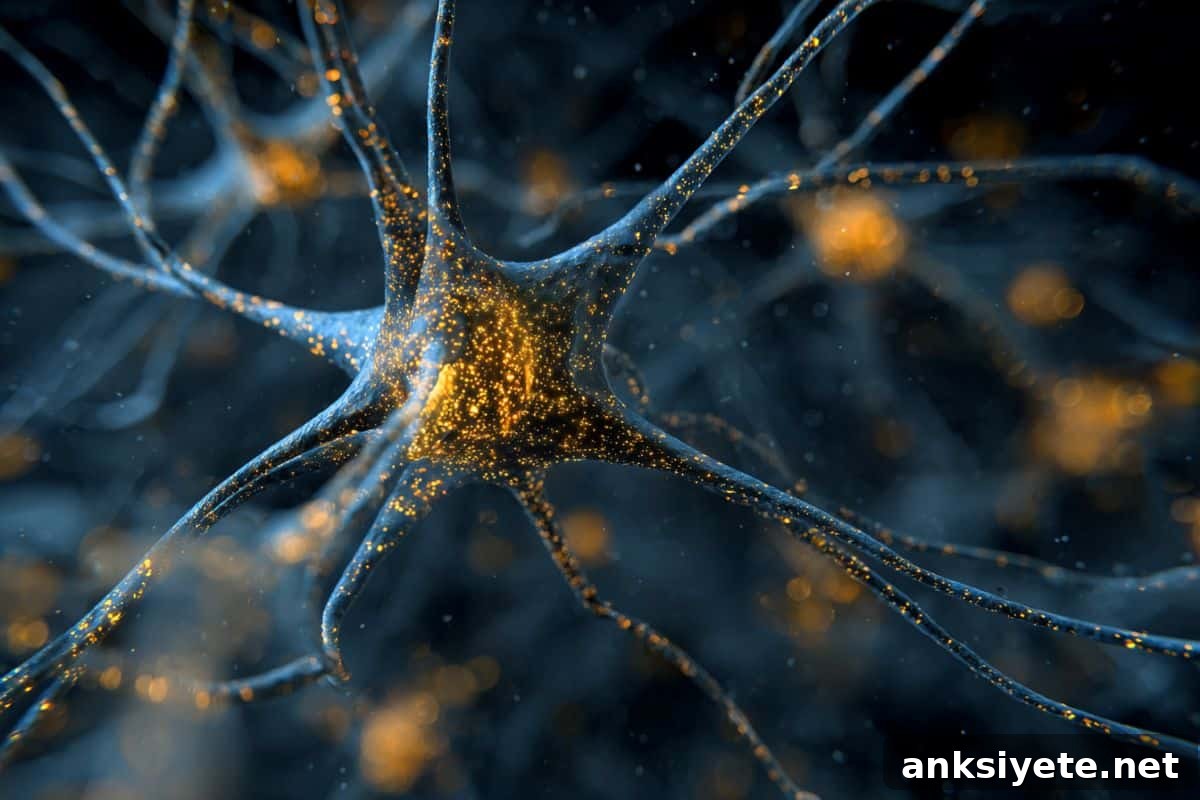
Summary: For more than a century, neurons were assumed to be the primary mediators of long-distance communication in the brain. New research from NYU Langone shows that astrocytes—star-shaped glial cells traditionally seen as support cells—form their own organized, long-range networks that connect specific brain regions and reshape with experience.
Using a purpose-built tracer and whole-brain imaging, the team mapped active astrocyte networks—sometimes linking areas not connected by neuronal axons—and demonstrated these pathways depend on gap junctions. The discovery adds a previously unrecognized layer to how the brain stays connected, adapts, and responds to injury or disease.
Key Facts
- Active networks, not just support: Astrocytes form organized, long-range signaling webs that selectively join specific brain regions rather than providing only local, general support.
- Gap junction dependence: These networks rely on physical connections called gap junctions. Genetically removing gap junctions in mice largely eliminated the astrocyte communication webs.
- Experience-driven plasticity: Astrocyte networks are dynamic. Sensory changes—such as trimming whiskers—caused networks to shrink and re-route, indicating they are shaped by experience.
- Relevance to disease: Because astrocyte networks can redistribute resources to damaged regions, they may play roles in neurodegenerative conditions such as Alzheimer’s, Parkinson’s, glaucoma, and other disorders of brain aging and injury.
Source: NYU Langone
Neuroscientists typically describe the brain as a wiring diagram of neurons that communicate through synapses and electrical impulses. Astrocytes, a major class of glial cells, have been viewed mainly as providers of metabolic support and homeostatic regulation. The new study led by researchers at NYU Langone Health shows that astrocytes also form selective, brain-wide networks that transmit small molecules through gap junctions, creating distinct communication routes across regions.
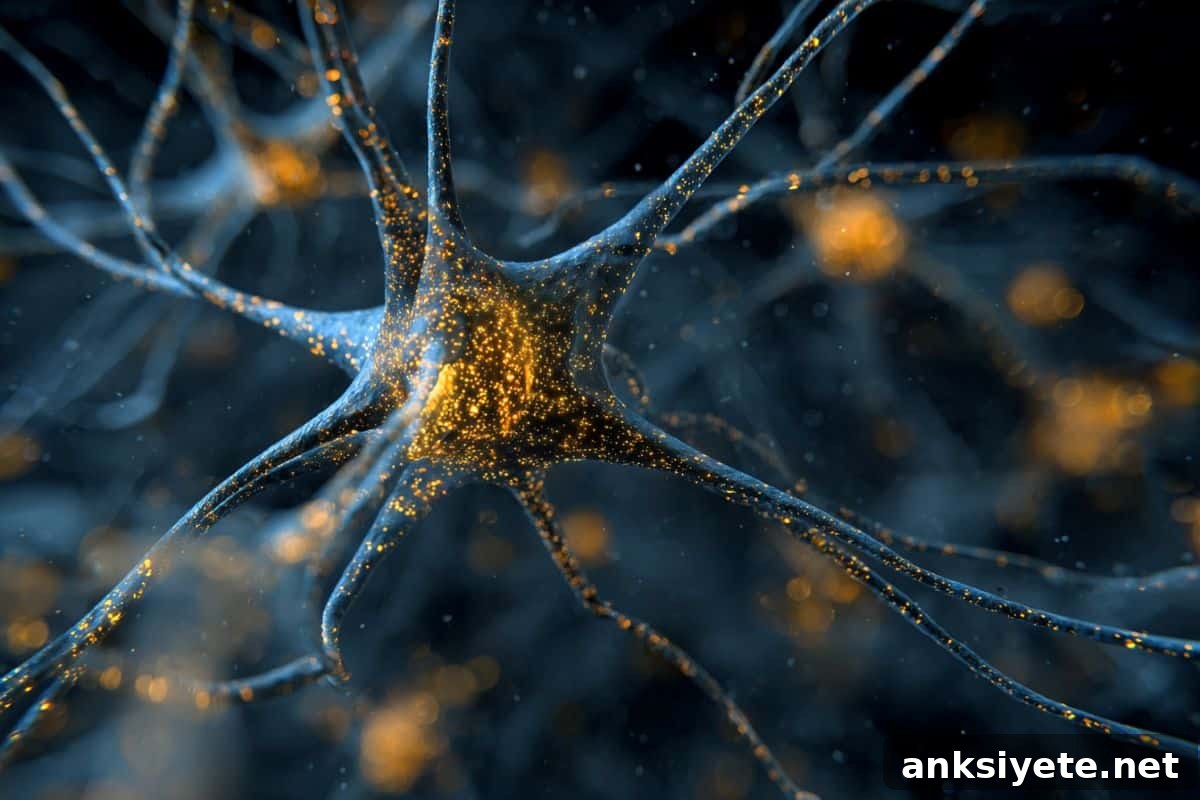
The researchers developed a vector-based tracer that labels small molecules as they move through astrocyte gap junctions. They injected a harmless viral tracer into targeted brain regions of awake mice. As tagged molecules flowed across connected astrocytes, the tracer revealed which cells belonged to the same network. The team then cleared whole brains to make tissue transparent and used three-dimensional microscopy to image and map these intact astrocyte webs across many animals.
This combination of virus-based tracing and whole-brain clearing offered greater spatial resolution and reduced artefacts compared with traditional slice-based methods, allowing the authors to detect both local networks confined to single regions and long-range networks that interconnect multiple regions across hemispheres. In several cases, these astrocyte networks followed patterns distinct from established neuronal circuits.
To test whether gap junctions are required for these pathways, the team examined mice engineered to lack astrocyte gap junctions. The long-range astrocyte networks largely disappeared in these animals, demonstrating that gap junction-mediated molecular flux is essential for the observed connectivity.
The networks also proved to be plastic. After unilateral whisker trimming, an astrocyte pathway from the whisker-processing area shrank and rerouted to new astrocyte partners, showing that sensory experience can remodel these networks. This plasticity raises the possibility that individual life histories and sensory experiences shape unique astrocyte connection patterns in each brain.
The authors plan to identify which molecules travel through these networks and to apply the tracer in models of brain disorders, development, and aging. While gap junctions and astrocytes exist in humans, it remains to be determined whether human astrocyte networks link brain regions in the same patterns observed in mice.
Key Questions Answered:
A: Astrocytes exchange small molecules directly through gap junction channels, allowing signaling to spread from cell to cell across long distances without relying on electrical spikes or synapses.
A: Possibly. The observed plasticity suggests astrocyte networks can be reshaped by sensory experience and learning, implying individual variation in these glial connection patterns.
A: Technical limitations were the barrier. Astrocyte signals are subtler than neuronal electrical activity, and previous methods often disrupted intact networks. The study’s tracer and whole-brain imaging overcame those challenges.
Editorial Notes:
- This article was edited by a Neuroscience News editor.
- The journal paper was reviewed in full.
- Additional context was added by editorial staff.
About this research
Author: Shira Polan
Source: NYU Langone Health
Contact: Shira Polan – NYU Langone Health
Image: Credit to Neuroscience News
Original Research: “Astrocytes connect specific brain regions through plastic networks” by Melissa L. Cooper et al., published in Nature. DOI: 10.1038/s41586-026-10426
Abstract (condensed):
Traditionally, neuronal axons have been viewed as the primary mediators of functional connectivity between brain regions. This study demonstrates that astrocyte gap junction networks also form selective, plastic communication pathways that traverse the mouse brain. Using a vector-based tracer in awake animals combined with whole-brain clearing and three-dimensional imaging, the authors reveal multiple astrocyte networks that are region-specific and vary in size and organization. Some networks span hemispheres and show patterns distinct from known neuronal circuits. The networks reorganize after sensory deprivation, indicating experience-dependent plasticity. These results identify a gap-junction–mediated mode of long-range interregional communication that is important for central nervous system development, function, and response to disease.
Funding: Supported by National Institutes of Health grants R01EY033353, U19NS107616, P30AG066512, P30CA016087, T32MH019524, K99NS139313, K00AG068343; Cure Alzheimer’s Fund; Leon Levy Scholarships in Neuroscience; Pew Charitable Trusts; Simons Foundation SURFiN; Belfer Neurodegeneration Consortium; Carol and Gene Ludwig Family Foundation; Swiss National Science Foundation.
Conflict of interest disclosure: Dr. Shane A. Liddelow has financial interests in companies exploring Alzheimer’s treatments and serves on advisory boards unrelated to this study; these relationships are managed by NYU Langone Health according to institutional policies.
Contributing investigators include Melissa L. Cooper, Maria Clara Selles, Michael Cammer, Chase Redd, Holly K. Gildea, Joseph Sall, Katelyn E. Chiurri, Philip Cheung, Damian G. Wheeler, Aiman S. Saab, Shane A. Liddelow and Moses V. Chao, among others at NYU Langone, Translucence Biosystems, and the University of Zurich.