
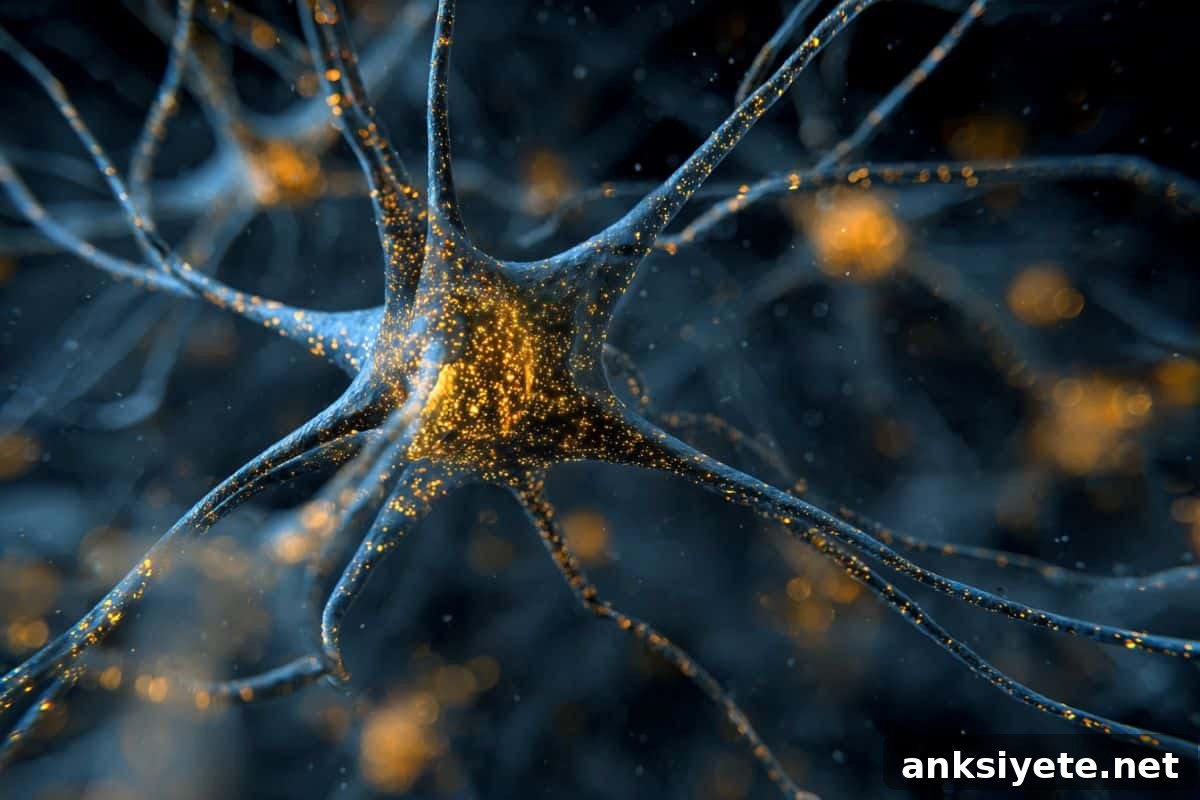
Summary: For more than a century neurons have been considered the primary carriers of long-range communication in the brain. New research shows that astrocytes — star-shaped glial cells previously thought to serve mainly support roles — form their own structured, long-range networks that link specific brain regions and change with experience.
Using a purpose-built tracer and whole-brain imaging, researchers mapped active astrocyte networks that span large distances in the mouse brain. These astrocyte webs sometimes connect regions not obviously linked by neuronal circuits, revealing an additional layer of brain connectivity relevant to development, plasticity, and disease.
Key Facts
- Active, specific networks: Astrocytes do more than provide metabolic support; they form selective, long-range signaling pathways across the brain.
- Gap junction dependence: These pathways rely on gap junction channels between astrocytes. Genetically removing gap junctions in mice eliminated the observed networks, showing the connections are structural and functional.
- Experience-driven plasticity: Astrocyte networks are dynamic. Altering sensory input (for example, trimming whiskers) caused networks to shrink and reroute, reconnecting with different partners.
- Relevance to disease: Because astrocyte networks can redistribute resources to damaged regions, they may be important in understanding neurodegenerative disorders such as Alzheimer’s, Parkinson’s, and glaucoma.
Source: NYU Langone
Astrocytes build organized, far-reaching communication webs in the brain, a new mouse study finds.
Neuroscience traditionally emphasizes neurons and their axons as the principal mediators of long-distance communication. Astrocytes — the star-shaped glial cells that provide nutrients, clear waste, and support synaptic function — were believed to operate mainly locally. The new study led by researchers at NYU Langone Health shows that astrocytes also form organized, long-range networks that connect specific brain regions and remodel with experience.
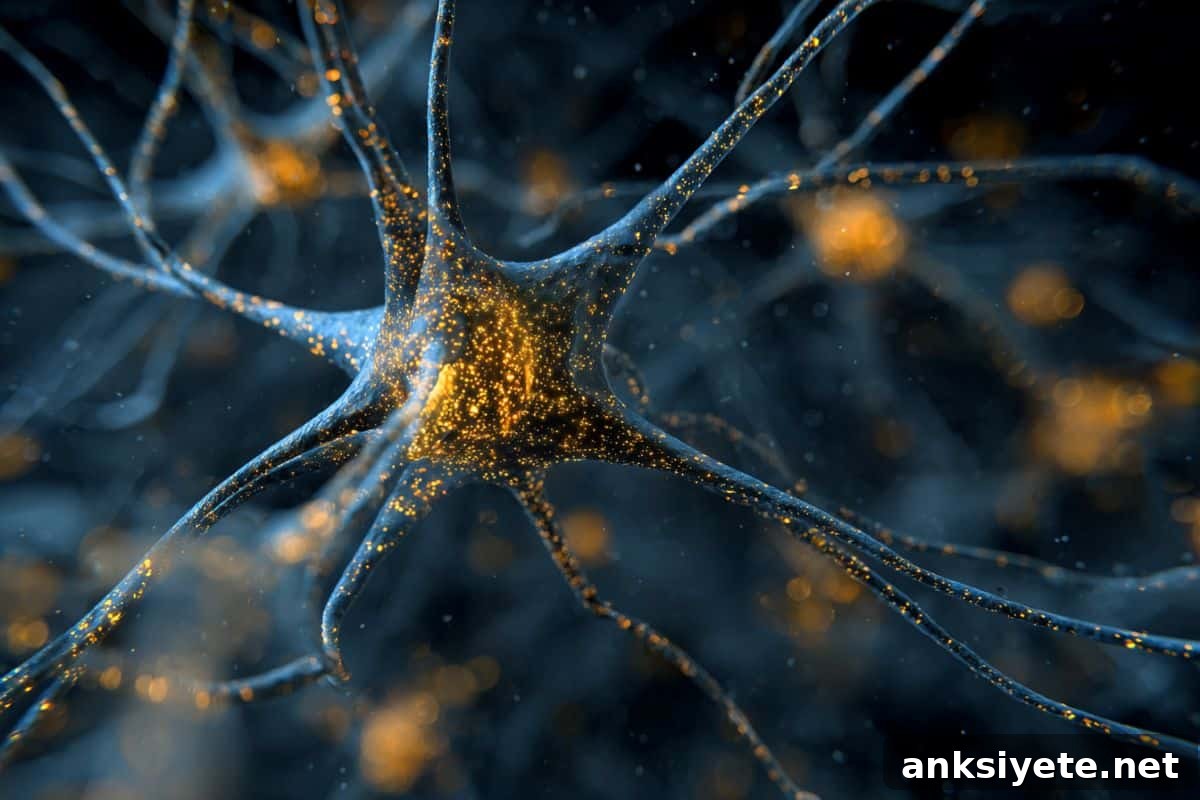
The team developed a viral vector–based tracer that labels small molecules as they pass through gap junctions, the tiny channels that directly connect neighboring astrocytes. Because the tracer moves with actual molecular flux, it reports on networks that are physiologically active rather than inferred from static markers.
After delivering tracers into specific brain regions of awake mice, the researchers cleared the brain tissue to make it transparent and imaged the entire organ with three-dimensional microscopy. This approach allowed them to visualize intact astrocyte networks across the whole brain and to map which cells belonged to the same signaling pathways.
The results revealed multiple astrocyte networks: some confined to local regions, others spanning hemispheres and connecting distant structures. Importantly, many of these long-range astrocyte pathways did not simply mirror neuronal wiring; they often linked regions in patterns distinct from known neural circuits.
To test whether the networks require gap junctions, the team examined mice with astrocytes genetically lacking these channels. The long-range webs largely disappeared, indicating the networks depend on gap junctional coupling and represent active routes for intercellular exchange.
The study also probed network plasticity. When the researchers trimmed whiskers on one side of the face, a cortical astrocyte pathway associated with whisker sensation contracted and reconnected to different astrocyte partners. This rerouting demonstrates that astrocyte networks respond to sensory experience and can be reshaped in the adult brain.
Lead author Melissa Cooper, PhD, notes that these findings challenge the neuron-centric view of long-distance brain communication and suggest astrocyte networks could influence how the brain develops, adapts, and responds to injury. Co-senior authors Shane A. Liddelow, PhD, and Moses V. Chao, PhD, emphasize the potential implications for aging and neurodegenerative diseases, since astrocyte-mediated redistribution of resources might affect how damaged tissue is supported or repaired.
The authors plan to use the tracer to identify which molecules travel through these networks and to apply the method in disease models and across developmental stages. While gap junctions and astrocytes are present in humans, the extent to which these specific networks mirror those seen in mice remains to be determined.
Key Questions Answered:
A: Astrocytes communicate through gap junctions that allow small molecules to pass directly from cell to cell. This creates a chain of transfer that can span large brain regions without relying on electrical spikes and synapses.
A: The study shows astrocyte networks change with sensory experience, suggesting individual life history and learning could shape unique astrocyte connectivity patterns alongside neuronal changes.
A: Astrocyte signals are subtler and their dense cellular organization has been difficult to image in intact tissue. The researchers overcame these challenges by developing a specific tracer and whole-brain clearing and imaging methods that reveal intact, three-dimensional networks.
Editorial Notes:
- Article edited by a Neuroscience News editor.
- Journal paper reviewed in full by the editorial team.
- Additional context added by staff for clarity.
About this research news
Author: Shira Polan
Source: NYU Langone Health
Contact: Shira Polan, NYU Langone Health
Image credit: Neuroscience News
Original Research: Cooper ML et al., “Astrocytes connect specific brain regions through plastic networks”, Nature. Open access. DOI: 10.1038/s41586-026-10426.
Abstract
Astrocytes connect specific brain regions through plastic networks
Neuronal axons have long been considered the main mediators of functional connectivity across brain regions. The role of astrocyte-mediated communication has been underappreciated despite evidence that astrocyte gap junctions contribute to memory, synaptic plasticity, and developmental critical periods. Studying these networks has been difficult because many traditional techniques disrupt intact connectivity.
To address this, the researchers developed a vector-based tracer that labels molecules as they are transferred through astrocyte gap junctions in awake animals, combined with whole-brain clearing and three-dimensional imaging. The results demonstrate multiple astrocyte networks that selectively link specific brain regions, varying in size and organization. Some networks are local, while others span hemispheres and show patterns distinct from neuronal circuits. Sensory deprivation produces structural reorganization of these networks, indicating plasticity in the adult brain. These observations reveal a mode of long-distance communication mediated by gap junction-coupled astrocyte networks.
Funding: Supported by National Institutes of Health grants R01EY033353, U19NS107616, P30AG066512, P30CA016087, T32MH019524, K99NS139313, and K00AG068343, and additional support from Cure Alzheimer’s Fund, the Leon Levy Scholarships in Neuroscience, the Pew Charitable Trusts postdoctoral fellowship, the Simons Foundation SURFiN fellowship, the Belfer Neurodegeneration Consortium, the Carol and Gene Ludwig Family Foundation, and the Swiss National Science Foundation.
Dr. Shane A. Liddelow reports financial interests in AstronauTx Ltd. and Synapticure and serves on the scientific advisory board of the Global BioAccess Fund; these relationships are managed by NYU Langone Health and are unrelated to this study.
Contributing NYU Langone authors include Melissa L. Cooper, Maria Clara Selles, Michael Cammer, Holly Gildea, Joseph Sall, and Katelyn Chiurri, with additional collaborators from Translucence Biosystems and the University of Zurich.