
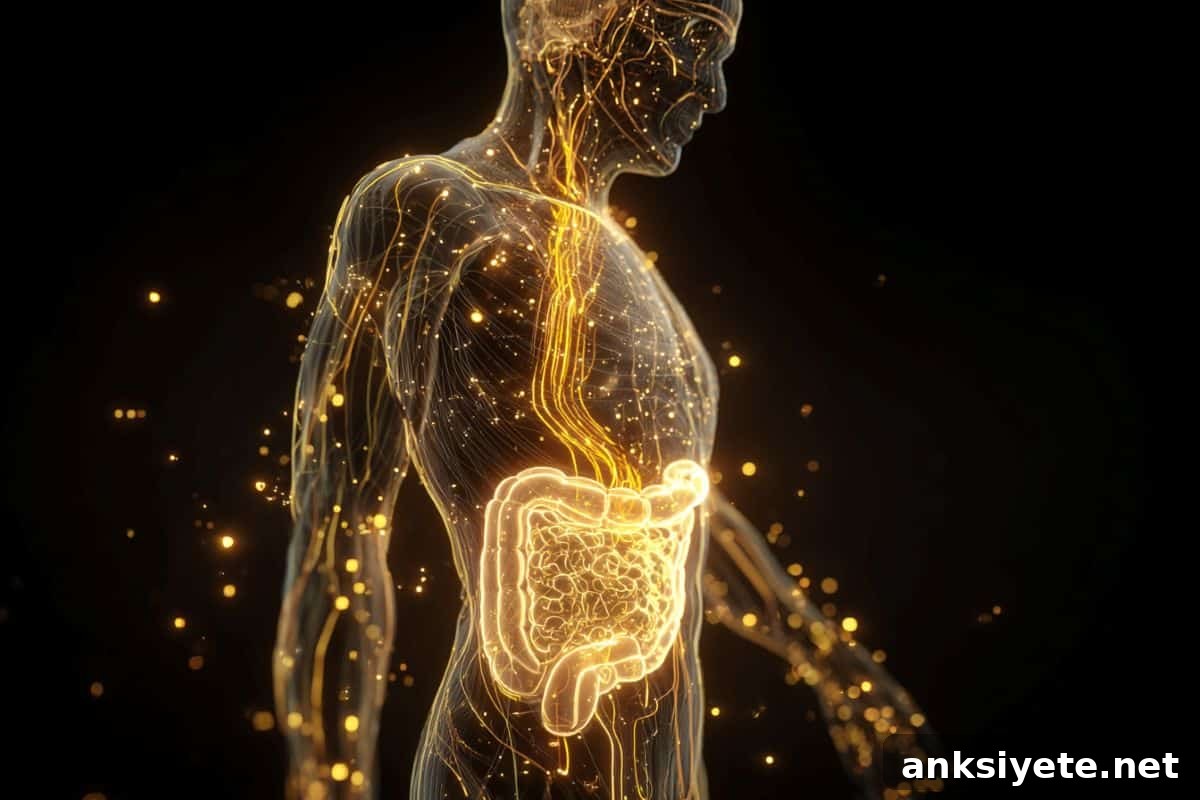
Summary: A large transdisciplinary study shifts Alzheimer’s research emphasis from the brain to the gut. Using machine learning on data from nearly 10,000 people, researchers found that common life events — notably appendix removal — and long-term dietary patterns rank among the strongest predictors of Alzheimer’s risk.
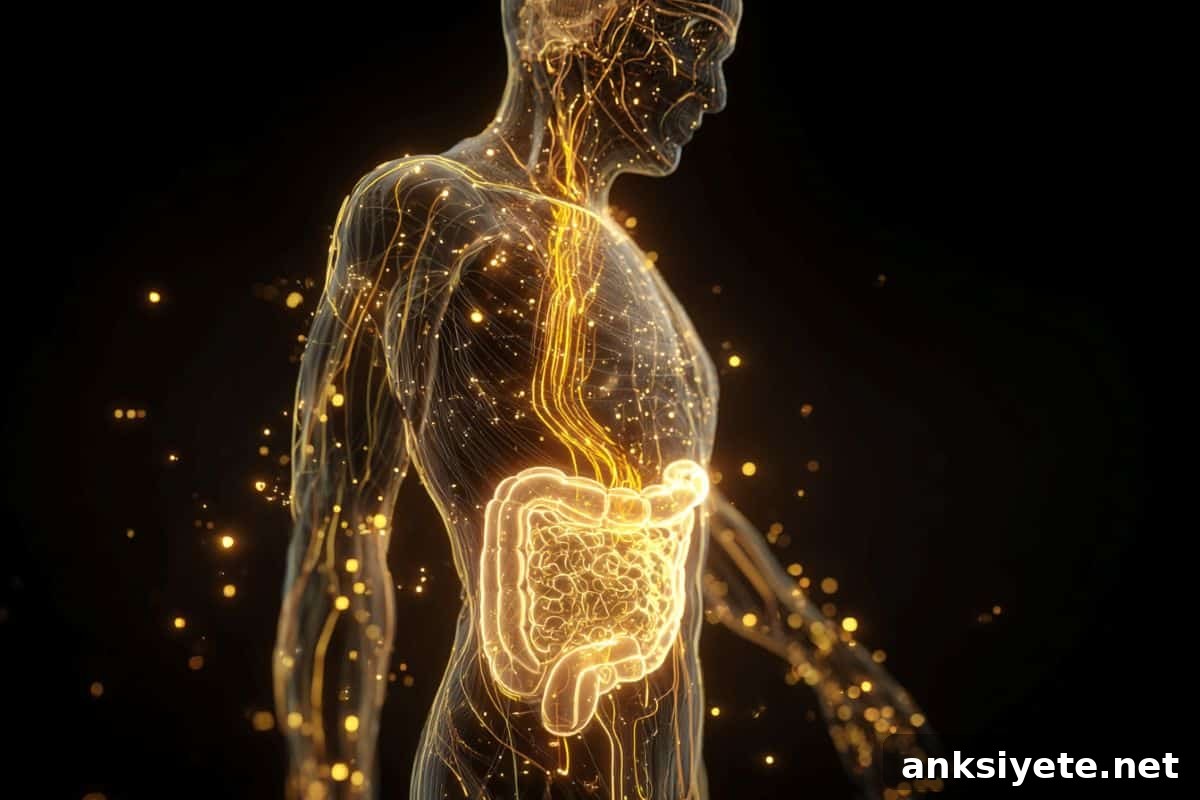
The study supports the idea that the gut microbiome serves as an early line of defence for the brain, and that cumulative disruption to that microbial community over decades may help trigger neurodegeneration.
Key Facts
- Appendix and risk: Individuals who had an appendectomy showed a markedly higher predicted risk of Alzheimer’s. The appendix may act as a reservoir for beneficial bacteria that help restore the gut microbiome after illness.
- Microbial depletion: People with Alzheimer’s showed a pronounced loss of bacteria that produce short-chain fatty acids — key molecules for gut barrier integrity and limiting brain inflammation.
- Dietary patterns over single nutrients: Overall eating patterns (for example diets rich in plant protein, dairy and omega-3s) were stronger predictors of brain health than any single vitamin or supplement.
- Low-cost predictive screening: Machine learning applied to more than 120 everyday factors produced a framework for a community-level, non-invasive screening tool able to identify elevated risk before cognitive symptoms appear.
Source: University of Technology Sydney
Alzheimer’s disease affects more than 55 million people worldwide, and that number is projected to rise sharply by 2050. Traditionally viewed as a disorder that begins in the brain, new research suggests important early contributors may originate in the gut.
A collaborative study from the University of Technology Sydney in partnership with Massachusetts General Hospital and Harvard Medical School analyzed questionnaire data, medical history, diet, lifestyle and microbiome sequencing from nearly 10,000 participants. Using multi-modal machine learning, the team evaluated which everyday factors are most strongly associated with Alzheimer’s risk, with the goal of building an accessible screening approach for early risk detection.
Unexpected role of appendix removal
“One of the most surprising results was that appendectomy emerged as a strong contributor to predicted Alzheimer’s risk,” said Associate Professor Kaveh Khalilpour, co-lead of the project. The team hypothesizes the appendix helps preserve a reserve of beneficial bacteria that repopulates the gut following disturbances such as infection or antibiotic use. Without that reservoir, the microbiome may be slower to recover, and over many years this vulnerability could increase susceptibility to neuroinflammatory processes linked to Alzheimer’s.
PhD researcher Tallat Jabeen noted the implication: “This finding reframes Alzheimer’s risk as a lifetime accumulation of influences on the gut microbiome rather than a condition that simply appears with old age.”
Dietary patterns as long-term drivers
Dietary patterns were among the strongest predictive domains in the analysis. The machine learning models showed that habitual diets — not single nutrient levels — carried the most information about future risk. Diets higher in plant protein, dairy, fish-derived omega-3s and whole foods were associated with lower predicted risk, while patterns dominated by processed foods, refined sugars and saturated fats aligned with higher risk.
Lactose and dairy intake stood out as a notable individual signal: higher dairy consumption correlated with lower predicted risk, which the authors suggest may reflect benefits from fermented and dairy-rich foods for the gut microbiome as well as possible neuroprotective effects of calcium.
Ali Zomorrodi, a collaborator from Massachusetts General Hospital and Harvard Medical School, emphasized the preventive implication: “If long-term diet contributes to neurodegeneration, it also represents a modifiable pathway for prevention.”
The gut–brain axis links diet, microbes and brain health
Microbiome sequencing from the same cohort revealed consistent signs of dysbiosis in participants with Alzheimer’s. Bacteria that generate short-chain fatty acids — molecules that help maintain the gut’s protective barrier and dampen neuroinflammation — were significantly depleted. Overall microbial diversity was reduced and replaced by a more inflammatory microbial profile that could relay damaging signals along the gut–brain axis.
Taken together, the data suggest a coherent biological pathway: diet shapes the microbiome; the microbiome communicates continuously with the brain; and chronic disruption of that microbial community, whether from long-term dietary patterns, loss of the appendix, or medical events, may weaken an important defence against neurodegeneration.
Practical implications for prevention and screening
Unlike immutable genetic risks, the drivers identified in this study — diet, gut health, cardiovascular status and surgical history — are potentially modifiable. The authors propose a multi-modal, non-invasive screening strategy that combines medical history and dietary assessment to identify at-risk individuals before cognitive symptoms appear, creating a window for interventions such as targeted dietary change, microbiome-focused therapies and improved cardiovascular care.
As an example, an older adult who previously had their appendix removed and has a lifetime pattern of low-dairy, high-sugar eating might be flagged by the AI model as higher risk despite having no memory complaints today. Early dietary shifts — more plant protein, more fish, less sugar — could help rebalance the gut ecosystem the brain depends on.
The researchers stress the need for continued validation in long-term cohorts, but conclude that the evidence points to Alzheimer’s risk beginning years earlier than symptoms, shaped in part by long-standing gut and dietary influences.
Key Questions Answered:
A: An appendectomy is one risk factor, not a diagnosis. The study suggests removal may reduce one backup mechanism for gut bacteria. Maintaining a healthy diet and supporting your microbiome can help mitigate this risk.
A: Higher dairy intake was associated with lower predicted risk in this analysis. The authors suggest this may reflect beneficial effects of fermented and dairy foods on the microbiome and possible neuroprotective roles of nutrients like calcium.
A: Through the gut–brain axis: loss of protective gut bacteria can weaken the intestinal barrier and permit inflammatory signals that travel to the brain over time, contributing to neuroinflammation and neuronal loss.
Editorial Notes:
- This article was edited by a Neuroscience News editor.
- The journal paper was reviewed in full for accuracy.
- Additional context was provided by editorial staff.
About this Alzheimer’s disease research news
Author: Jen Mansell
Source: University of Technology Sydney
Contact: Jen Mansell – University of Technology Sydney
Image: The image is credited to Neuroscience News
Original Research: Open access.
“Multi-modal machine learning and gut microbiome pathway analysis for Alzheimer’s risk prediction” by Tallat Jabeen, Faezeh Karimi, Ali R. Zomorrodi, Kaveh Khalilpour. Alzheimer’s & Dementia: Diagnosis, Assessment & Disease Monitoring
DOI: 10.1002/dad2.70340
Abstract
Multi-modal machine learning and gut microbiome pathway analysis for Alzheimer’s risk prediction
Introduction
Early Alzheimer’s disease (AD) risk assessment needs accessible alternatives to invasive biomarkers. The team developed a multi-modal machine learning framework using participant questionnaire data combined with microbiome sequencing to identify predictive signals for AD risk.
Methods
The study analyzed 9,832 participants and 120 metadata features across demographic, dietary, lifestyle, nutritional and medical categories. Features were selected using statistical tests; four machine learning algorithms were trained with 10-fold cross-validation and synthetic minority oversampling (SMOTE) and validated on an independent set of 1,967 samples. A subset of approximately 2,000 samples included 16S rRNA sequencing for microbiome composition analysis.
Results
Medical history (AUC = 0.871) and dietary patterns (AUC = 0.874) delivered the best predictive performance, outperforming demographic, lifestyle and nutritional domains (all p < 0.001). Microbiome analysis showed dysbiosis markers linking diet to potential neuroinflammatory pathways.
Discussion
The findings support a non-invasive, multi-modal screening approach combining medical history and dietary assessment for Alzheimer’s risk stratification. Preliminary microbiome evidence points to gut–brain axis dysbiosis as a plausible mechanistic pathway that now requires validation in larger, longitudinal studies.