
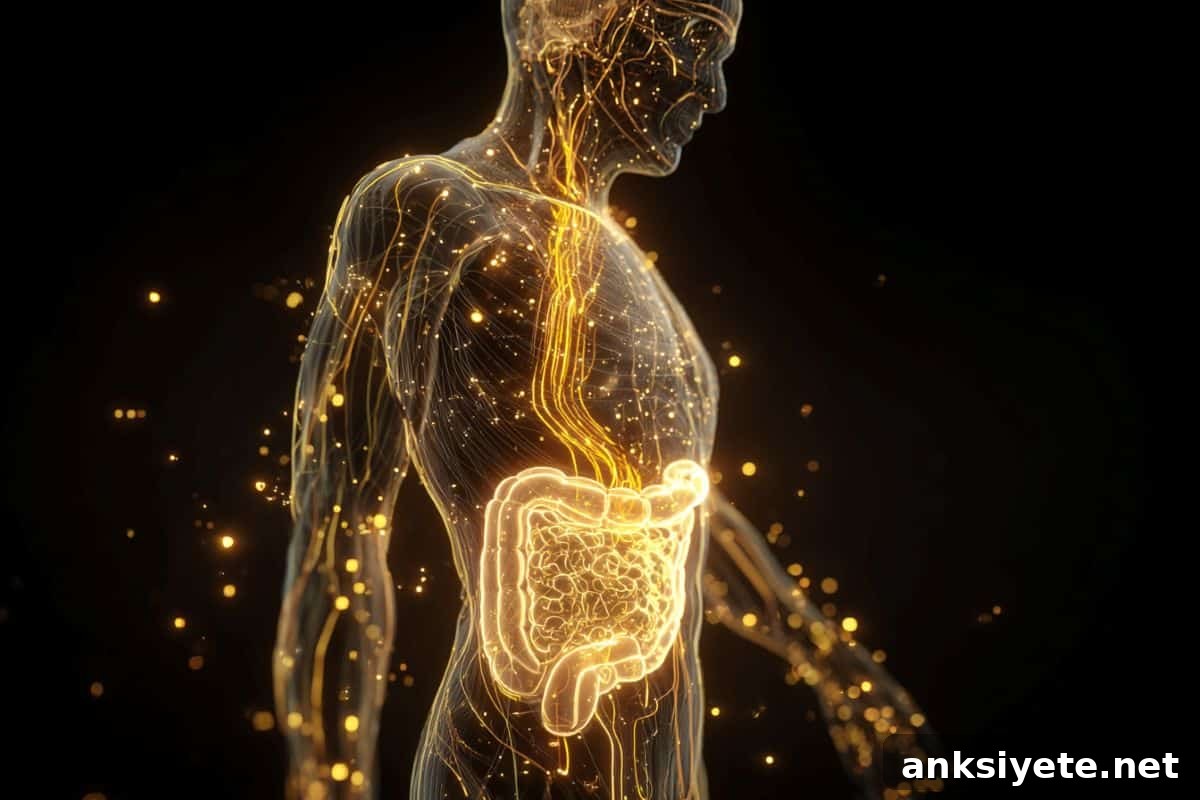
Summary: A large transdisciplinary study has shifted Alzheimer’s research focus from the brain to the gut. Using artificial intelligence to analyze data from nearly 10,000 people, researchers identified everyday factors—most notably appendix removal and long-term dietary patterns—as among the strongest predictors of Alzheimer’s risk.
The study indicates the gut microbiome may serve as a primary line of defense for brain health, and that its disruption over decades could trigger neurodegenerative processes.
Key Facts
- The Appendix Connection: Individuals who had an appendectomy showed a significantly higher predicted risk of Alzheimer’s. The appendix may act as a reservoir of beneficial bacteria that help restore the gut microbiome after illness or antibiotic use.
- Microbial Depletion: People with Alzheimer’s in the cohort displayed a pronounced loss of bacteria that produce short-chain fatty acids—compounds essential for maintaining the gut barrier and reducing neuroinflammation.
- Patterns Over Nutrients: Overall dietary patterns (diets rich in plant protein, dairy, omega-3 fatty acids, and whole foods) were more predictive of brain health than any single vitamin or supplement.
- Predictive Screening: The machine learning framework evaluated more than 120 everyday factors and could form the basis for a low-cost, community-level screening tool that identifies elevated risk before cognitive symptoms arise.
Source: University of Technology Sydney
Alzheimer’s disease affects more than 55 million people worldwide, and that number is expected to grow substantially by mid-century. Historically, Alzheimer’s has been viewed primarily as a brain disorder driven by protein accumulation and neuronal loss. This new study suggests a different perspective: factors outside the brain—especially those shaping the gut microbiome—may play a major role in long-term Alzheimer’s risk.
A collaborative team from the University of Technology Sydney and Massachusetts General Hospital/Harvard Medical School conducted one of the largest multi-modal machine learning studies to date. They trained AI models on questionnaire, medical, dietary, lifestyle, and microbiome data from almost 10,000 participants to determine which factors most strongly associate with Alzheimer’s risk. The findings point to potentially actionable prevention strategies at the population level.
Appendix removal: an unexpected predictor
“One of the study’s most surprising and revealing results was the strong association between appendectomy and increased Alzheimer’s risk,” said Associate Professor Kaveh Khalilpour, co-lead of the project. Researchers propose that when the appendix is removed, the microbiome loses a reserve of beneficial microbes that would otherwise help repopulate the gut after disturbances such as infection or antibiotics.
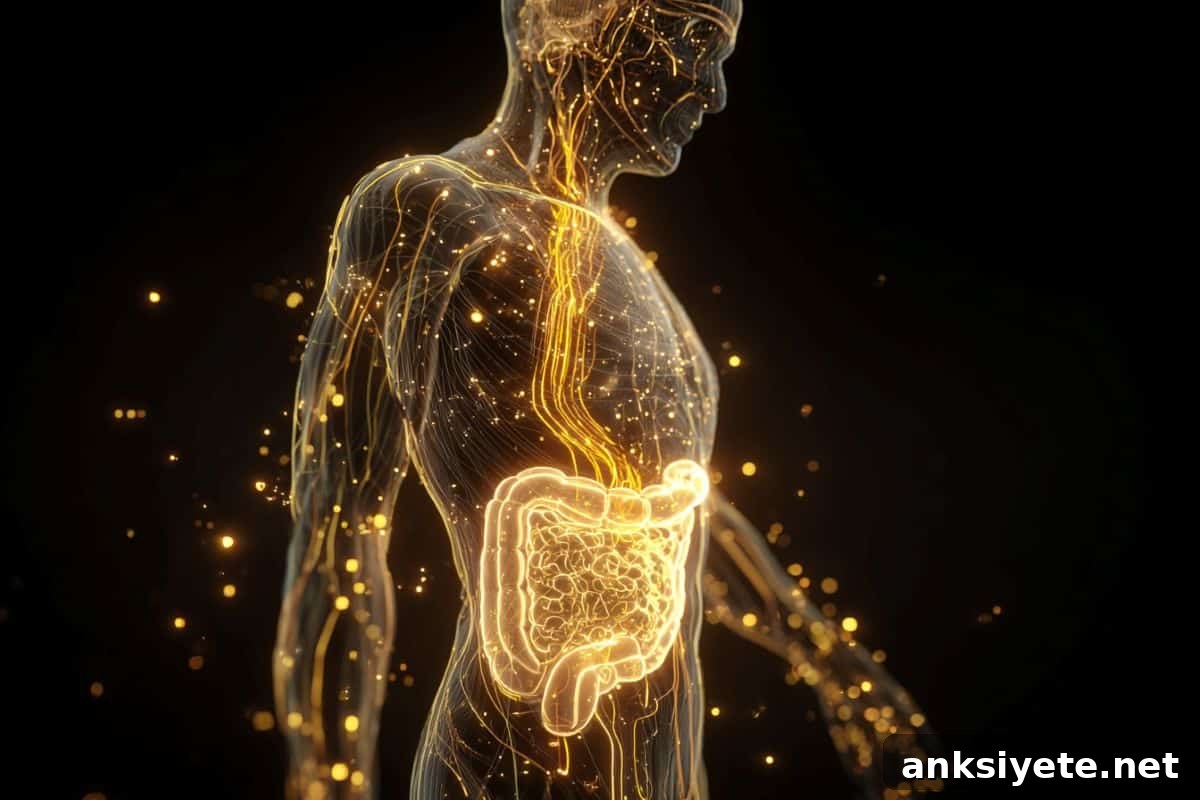
Over many years, this reduced capacity for microbial recovery may allow a chronic shift toward a less protective, more inflammatory gut environment—an environment that can influence the brain via the gut–brain axis.
“This finding reframes Alzheimer’s risk as a process that can begin long before cognitive symptoms appear, shaped by earlier-life events that leave lasting effects on the gut microbiome,” said PhD researcher Tallat Jabeen.
Diet as a driver of risk, not merely a signal
Dietary habits were among the strongest predictors in the model. Rather than single nutrients, overall eating patterns carried the most weight: diets higher in plant protein, dairy, omega-3s, and whole foods were consistently linked with lower predicted risk, while diets high in processed foods, refined sugars, and saturated fats correlated with higher risk.
“Overall dietary patterns outperformed individual nutrient measurements,” Khalilpour explained. “That suggests the cumulative, lifelong effect of eating habits matters more than isolated supplements or vitamins.”
Lactose and dairy consumption emerged as a notable individual signal, with higher intake associated with lower predicted risk—potentially reflecting microbiome responses to fermented and dairy-rich foods as well as the neuroprotective properties of calcium.
“If diet contributes to neurodegeneration, it may also offer a path to prevention,” said Ali Zomorrodi, Assistant Professor at Massachusetts General Hospital and Harvard Medical School and a project collaborator.
The gut–brain axis: the biological link
To understand the biology behind their observations, the team analyzed microbiome sequencing data from the same cohort. They found a consistent pattern of dysbiosis in participants with Alzheimer’s: reduced microbial diversity and depletion of bacteria that generate short-chain fatty acids, compounds that support the gut barrier and suppress neuroinflammation.
“The microbiome shifts we observed create a more inflammatory environment that can send damaging signals through the gut–brain axis,” said Dr Faezeh Karimi, the project lead. “This provides a plausible mechanism linking diet, gut health, and brain degeneration.”
Taken together, the results suggest a chain of influence: long-term diet shapes the gut microbiome; the microbiome communicates continuously with the brain; and chronic disruption of that microbial community may erode a vital line of defense against neurodegeneration.
A preventive approach that is actionable
Unlike fixed genetic risk factors, the study highlights modifiable drivers—diet, gut health, cardiovascular conditions, and surgical history—that develop on timeframes where intervention can still be effective. Identifying individuals at elevated risk before cognitive decline begins creates opportunities for targeted action: dietary modification, microbiome-directed therapies, and improved cardiovascular care.
“Imagine an older adult who had an appendectomy years ago, has long followed a low-dairy, high-sugar diet, and currently reports no memory problems,” Karimi said. “When their questionnaire data enter the AI model, those factors may indicate elevated risk. Simple changes—more plant protein, more fish, less sugar—could help restore gut balance and reduce long-term risk.”
Further validation in longer-term and larger cohorts is necessary, but the direction of evidence supports a major shift: Alzheimer’s risk may begin quietly, years earlier, in the gut—shaped by the food we eat, the microbes we carry, and the medical history we accumulate across a lifetime.
Key Questions Answered:
A: An appendectomy is a risk factor, not a certainty. The study suggests that losing the appendix reduces one mechanism for preserving beneficial gut bacteria. You can reduce risk by supporting gut health through diet, lifestyle changes, and discussions with your healthcare provider about microbiome-supporting strategies.
A: Higher dairy intake was associated with lower predicted risk in this dataset. Researchers suggest this may reflect a combination of calcium’s potential neuroprotective effects and beneficial gut microbiome responses to fermented and dairy-rich foods.
A: Through the gut–brain axis. Loss of beneficial gut bacteria can weaken the intestinal barrier and promote inflammation. Inflammatory signals can reach the brain over time and contribute to neuronal damage and neurodegenerative processes.
Editorial Notes:
- This article was edited by a Neuroscience News editor.
- Journal paper reviewed in full.
- Additional context added by editorial staff.
About this Alzheimer’s disease research news
Author: Jen Mansell
Source: University of Technology Sydney
Contact: Jen Mansell – University of Technology Sydney
Image: Credit to Neuroscience News
Original Research: Multi-modal machine learning and gut microbiome pathway analysis for Alzheimer’s risk prediction — Tallat Jabeen, Faezeh Karimi, Ali R. Zomorrodi, Kaveh Khalilpour. Alzheimer’s & Dementia: Diagnosis, Assessment & Disease Monitoring. DOI: 10.1002/dad2.70340 (open access)
Abstract
Multi-modal machine learning and gut microbiome pathway analysis for Alzheimer’s risk prediction
Introduction
Early Alzheimer’s risk assessment needs accessible, non-invasive approaches. The authors developed a multi-modal machine learning framework combining questionnaire-based metadata with concurrent microbiome sequencing to predict Alzheimer’s risk.
Methods
The analysis included 9,832 participants and 120 metadata features across demographic, dietary, lifestyle, nutritional, and medical domains. Feature selection used Pearson correlation and chi-squared tests. Four machine learning algorithms were trained with 10-fold cross-validation and synthetic minority oversampling (SMOTE), and validated on an independent set of 1,967 samples. Microbiome composition was examined using 16S rRNA sequencing from roughly 2,000 samples.
Results
Medical history (AUC = 0.871) and dietary patterns (AUC = 0.874) outperformed demographic (0.795), lifestyle (0.660), and nutritional (0.569) domains (p < 0.001). Microbiome analysis revealed dysbiosis markers and a Prevotella/Bacteroides ratio linking dietary factors to potential neuroinflammatory pathways.
Discussion
These results support a non-invasive, multi-modal screening approach that combines medical and dietary data for Alzheimer’s risk stratification. Preliminary microbiome findings suggest gut–brain axis dysbiosis as a plausible mechanistic pathway that requires further validation in larger, long-term studies.