
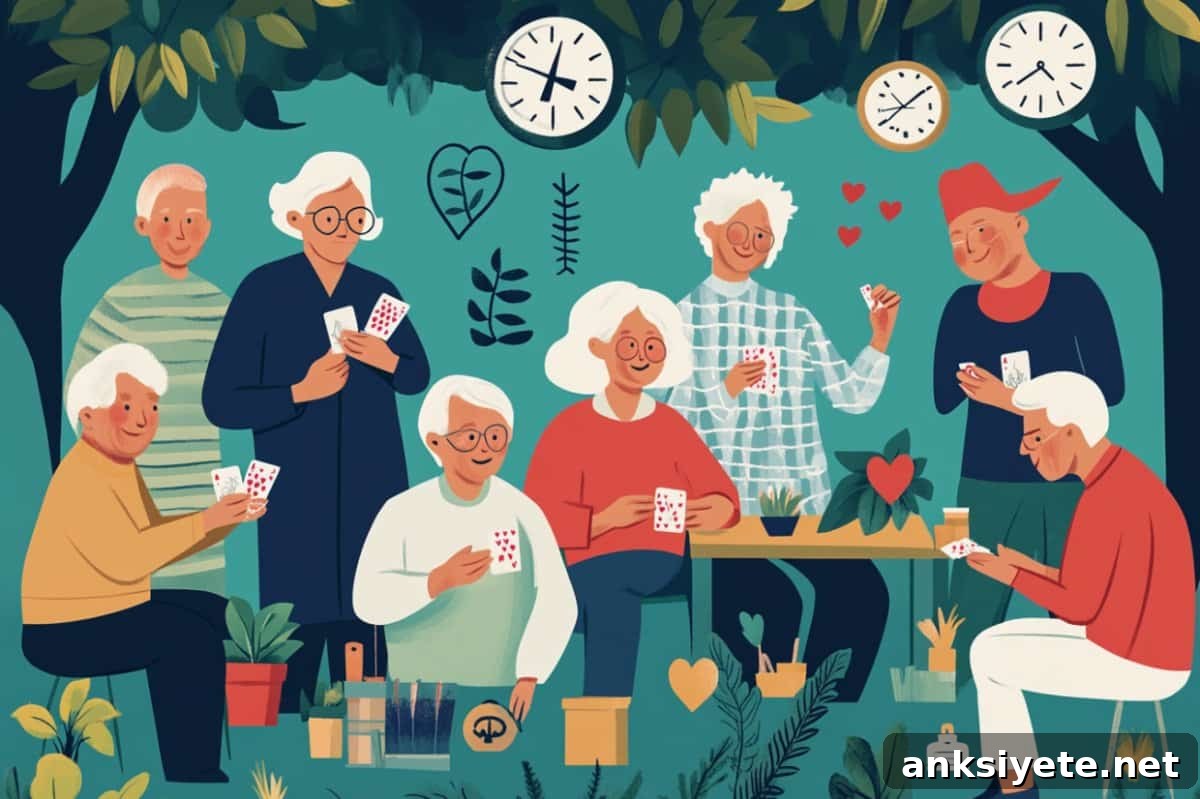
Summary: A new study finds that older adults who remain socially engaged have a substantially lower risk of death over four years compared with peers who report low social participation. The analysis of 2,268 U.S. adults aged 60 and older shows that high levels of social engagement — including volunteering, involvement with family, and membership in clubs or sports groups — were linked with a 42% reduction in 4-year mortality risk. The study suggests that slower biological aging and higher physical activity partly explain this protective effect.
Social connection emerges from this research as a major contributor to healthy aging and longevity. The findings reinforce the public health importance of fostering social opportunities for older adults and highlight specific behaviors that appear most beneficial.
Key findings:
- Lower mortality: High social engagement was associated with a 42% lower risk of death over four years compared with low engagement.
- Types of engagement: Volunteering, active involvement with grandchildren or family, and participation in sports or social clubs were strong predictors of reduced mortality risk.
- How it helps: The relationship between social engagement and longer survival was partly mediated by slower biological aging and greater levels of regular physical activity.
The study, published in the Journal of the American Geriatrics Society, used data from participants who completed the Psychosocial and Lifestyle Questionnaires and provided blood samples during 2016. Social participation was measured across nine items from a standard social participation questionnaire and classified into low, moderate, or high engagement groups.
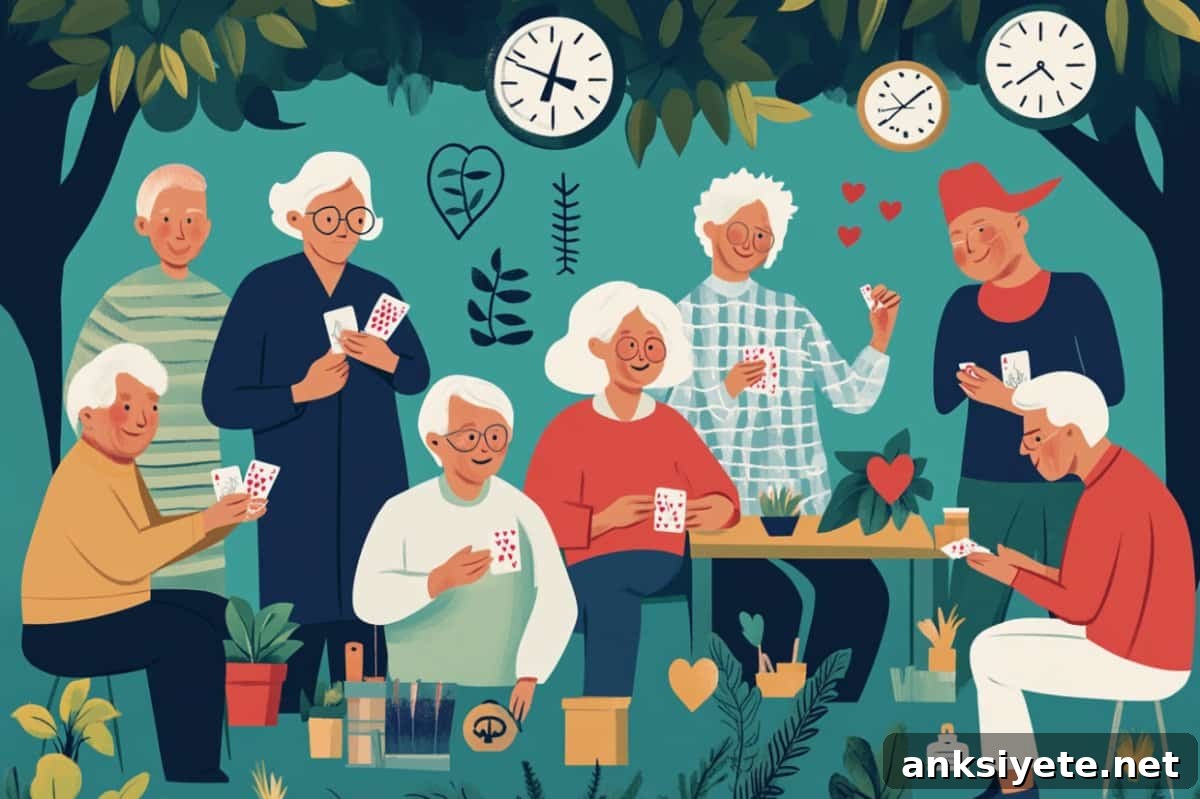
Investigators calculated biological age using the Klemera–Doubal method and compared it with chronological age to identify evidence of decelerated aging among participants. The research team then applied counterfactual mediation analyses to explore which biological, behavioral, and psychological pathways accounted for the link between social engagement and mortality risk.
Compared with those reporting low social participation, participants in the high-engagement group had lower median biological age, healthier behaviors overall, and a lower prevalence of depressive symptoms. Statistical models controlling for confounders found that high social engagement was associated with a significantly reduced risk of dying within the four-year follow-up (adjusted hazard ratio 0.58; 95% CI: 0.39–0.86; p = 0.009). Mediation analysis attributed about 16% of this effect to regular physical activity and about 15% to decelerated biological aging. Other candidate mediators such as depressive symptoms, excess alcohol use, and tobacco use did not show meaningful mediation in this analysis.
“Staying socially active is more than a lifestyle choice. It is closely linked to healthier aging and longevity,” said corresponding author Ashraf Abugroun, MBBS, MPH, of the University of California, San Francisco. “These results underscore how participating in community life contributes to better health in older adults.”
Implications for healthy aging and communities
This research reinforces the view that social engagement should be considered a core element of healthy aging strategies. For individuals, staying involved in meaningful activities — whether through volunteering, joining clubs, maintaining family connections, or participating in group exercise — can support both physical and biological health. For communities and policymakers, these results support investment in programs and spaces that reduce social isolation and increase access to group activities for older adults.
Because part of the benefit appears to operate through increased physical activity and slower biological aging, multi-faceted interventions that combine social opportunities with accessible movement-based programs may be particularly effective. Health providers and aging services can use these findings to encourage patients and clients to seek out social roles and activities that match their interests and abilities.
About the study and publication
Author: Sara Henning-Stout
Source: Wiley
Contact: Sara Henning-Stout – Wiley
Image: The image is credited to Neuroscience News
Original research: “Low Social Engagement and Risk of Death in Older Adults” by Ashraf Abugroun et al., Journal of the American Geriatrics Society (open access).
Abstract
Low Social Engagement and Risk of Death in Older Adults
Background
Social engagement contributes to healthy aging, yet the mechanisms linking social participation to mortality risk remain incompletely understood. This study examined biological, behavioral, and psychological pathways that might mediate the relationship between social engagement and death risk.
Methods
Researchers performed a prospective cohort analysis using Health and Retirement Study (HRS) data for adults aged 60 and older who provided psychosocial questionnaire responses and blood samples in 2016. Social engagement was evaluated using nine items from the HRS Social Participation questionnaire and categorized into low, moderate, or high engagement. Biological age was estimated with the Klemera–Doubal method and compared with chronological age to identify decelerated aging. Counterfactual mediation analyses were used to assess potential pathways linking social engagement and 4-year mortality risk.
Results
Among 2,268 participants, higher social engagement correlated with lower all-cause mortality over four years. Those in the high-engagement group had lower median biological age, healthier behavior profiles, and fewer depressive symptoms than those with low or moderate engagement. High social engagement was associated with reduced mortality risk compared with low engagement (adjusted hazard ratio 0.58; 95% CI: 0.39–0.86; p = 0.009). Mediation analysis estimated that regular physical activity accounted for roughly 16% of the protective effect and decelerated biological age accounted for about 15%.
Conclusions
Higher social engagement among older adults is associated with a lower risk of death over four years. The association appears partly explained by decreased biological aging and increased physical activity, supporting programs and policies that promote social participation as part of healthy aging initiatives.