
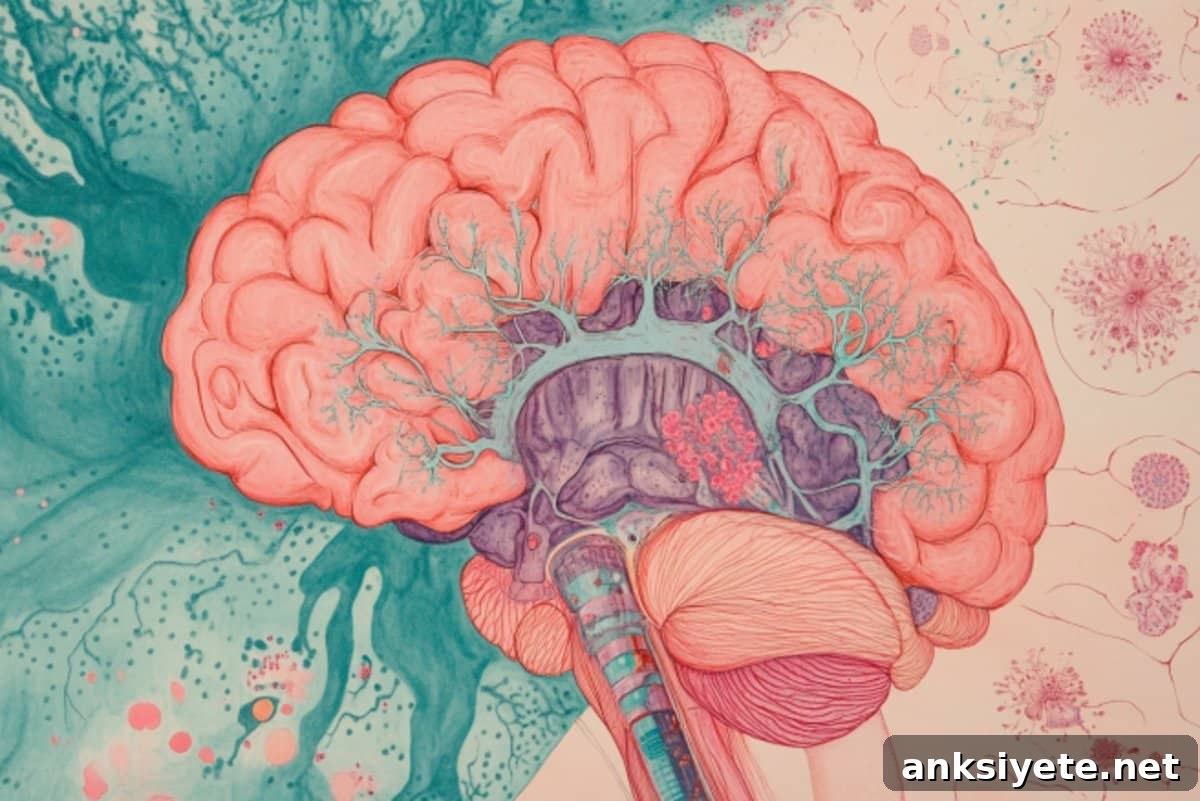
Summary: A recent multiomic study shows that a transient rise in tissue oxygen tension between the fourth and sixth weeks of development significantly enhances neurogenesis in human cerebral organoids. This oxygen-driven effect is mediated in large part by the oxygen-binding protein neuroglobin. Using advanced imaging and molecular profiling, the research team mapped intra-organoid oxygen dynamics and linked these changes to shifts in cellular metabolism, gene expression, and neuronal differentiation.
By combining fluorescence lifetime imaging microscopy (FLIM) with oxygen-sensitive microbeads, single-cell RNA sequencing (scRNA-seq), and metabolomic profiling, the investigators tracked how a timed elevation in oxygen affects early brain tissue formation. Their multi-layered analysis demonstrates that this brief window of higher oxygen coincides with altered energy homeostasis and a burst of neuronal differentiation, and that disrupting oxygen levels or silencing neuroglobin diminishes these effects.
Key findings:
- Critical developmental window: A consistent elevation in intra-organoid oxygen tension during weeks 4–6 correlates with rapid neurogenesis and tissue organization.
- Molecular regulator: Neuroglobin plays a central role in translating increased oxygen availability into molecular and cellular programs that favor neuronal differentiation.
- Metabolic shift: The timed oxygen rise is associated with changes in energy metabolism within organoids that support neuronal growth.
- Sensitivity to perturbation: Hypoxic treatment or genetic silencing of neuroglobin suppresses the oxygen-driven neurogenic response, demonstrating functional dependence on both oxygen availability and neuroglobin activity.
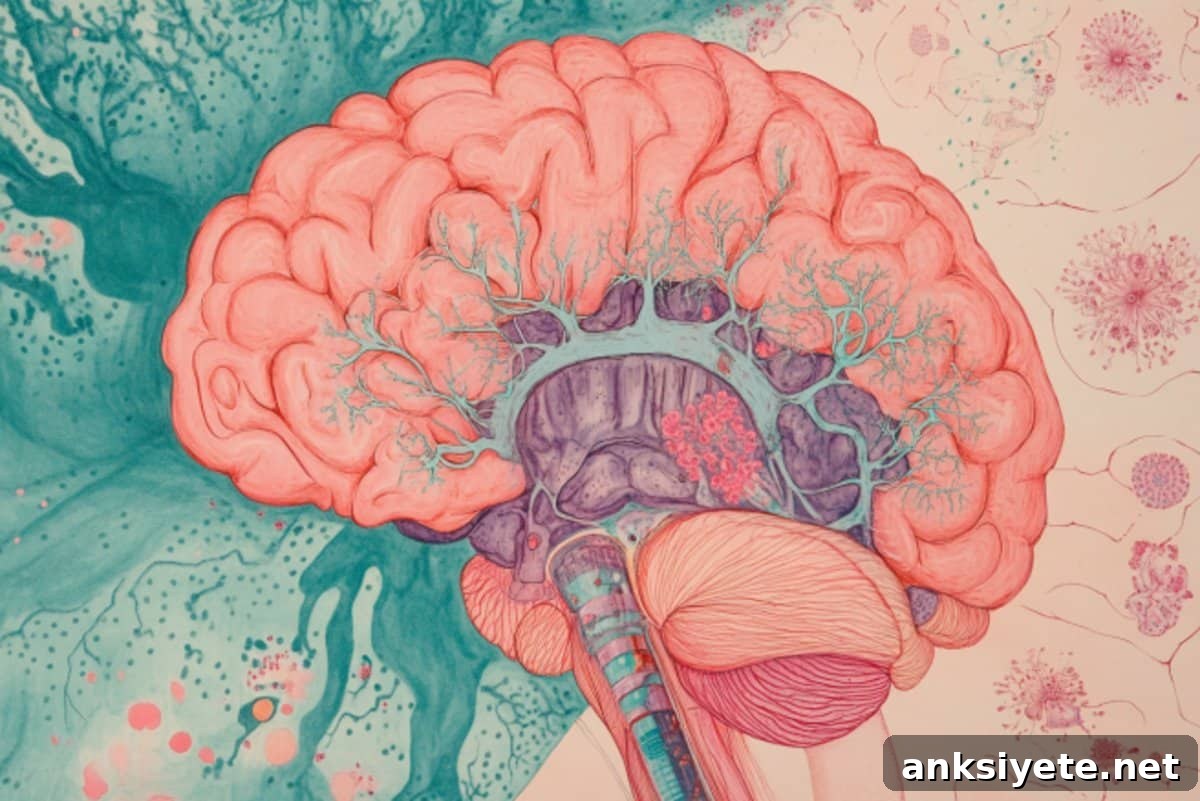
The study was led by Prof. Hsiao-Mei Wu of the Department of Biomechatronics Engineering at National Taiwan University in collaboration with Dr. Yi-Chung Tung from the Research Center for Applied Sciences, Academia Sinica. Using human cerebral organoids as an in vitro model, the team implemented noninvasive oxygen mapping and integrated that data with transcriptomic and metabolomic profiles to form a comprehensive, time-resolved picture of early neural development.
Advanced FLIM combined with oxygen-sensitive microbeads enabled precise monitoring of intra-organoid oxygen tension over time, revealing the transient elevation between weeks four and six. Single-cell RNA sequencing allowed the researchers to resolve cell-type specific transcriptional responses, while metabolomic assays identified concurrent shifts in energy-related pathways. Together, these approaches provided converging evidence that a timed oxygen increase supports neuronal differentiation and tissue architecture formation.
Importantly, the investigators showed that suppressing the transient oxygen rise—either by applying hypoxic conditions or by silencing the neuroglobin gene—reduced neurogenic outcomes. This functional evidence supports a model in which neuroglobin acts as a key sensor or mediator of oxygen availability during a formative period of brain tissue development.
Implications for research and therapy
These results illuminate an underappreciated role for dynamic oxygen regulation in early human brain development and provide a mechanistic link between tissue oxygenation, metabolic state, and neuronal differentiation. By pinpointing a discrete developmental window that is particularly responsive to oxygen, the findings may help guide future investigations into how disrupted oxygen supply or dysregulated oxygen-sensing mechanisms contribute to neurodevelopmental and neurodegenerative conditions.
The identification of neuroglobin as a mediator in this process suggests potential avenues for therapeutic exploration. Modulating oxygen-related signaling or bolstering neuroglobin function during critical stages could become a target for strategies aimed at preserving neuronal health or promoting regeneration, though translational application will require careful validation in additional models and clinical contexts.
About this neurodevelopment research news
Author: Yuan-Hsuan Liu
Source: National Taiwan University
Contact: Yuan-Hsuan Liu – National Taiwan University
Image: The image is credited to Neuroscience News
Original Research: Open access. “Shaping early neural development by timed elevated tissue oxygen tension: Insights from multiomic analysis on human cerebral organoids” by Yuan-Hsuan Liu et al., published in Science Advances. The study combines in vitro human cerebral organoids with FLIM oxygen mapping, single-cell transcriptomics, and metabolomics to reveal how temporally regulated oxygen levels influence early neural development.
Abstract
Shaping early neural development by timed elevated tissue oxygen tension: Insights from multiomic analysis on human cerebral organoids
Oxygen is a critical factor in early neural development prior to full vascularization, but its dynamic roles have been understudied because of technical challenges. This study uses human cerebral organoids together with advanced imaging and multiomic profiling to monitor tissue oxygen tension throughout neural development. The authors identify a key period between weeks 4 and 6 when intra-organoid oxygen tension is elevated, concurrent with shifts in energy homeostasis and accelerated neurogenesis. Experimental suppression of this oxygen elevation—through hypoxia or neuroglobin silencing—diminishes neurogenic outcomes. These results provide functional, genomic, phenotypic, and proteomic insights into how timed oxygen availability and neuroglobin contribute to early neural development, with potential relevance for understanding neurodegenerative disease mechanisms and informing future therapeutic strategies.