
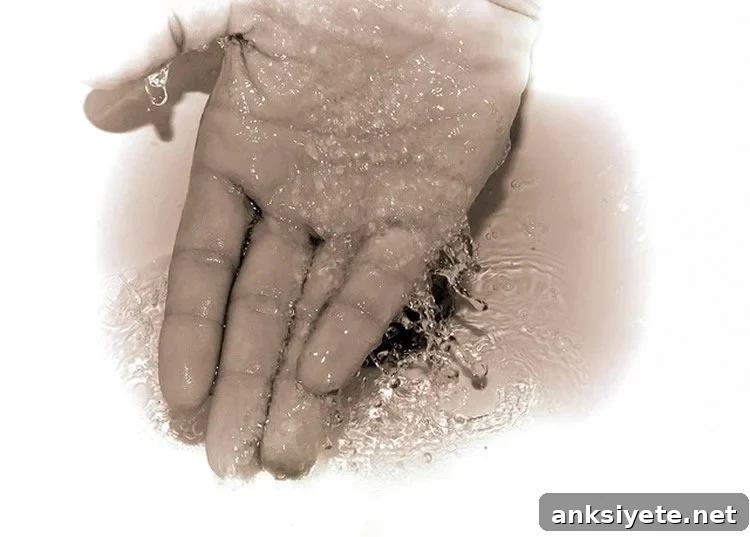
Researchers develop the first neurophysiological model explaining how humans perceive wetness
Sensitivity to wetness influences many everyday behaviors—from noticing humidity and sweat to feeling a damp towel or a wet seat. Although the experience of something being wet feels straightforward, it poses an intriguing neurological challenge: human skin lacks dedicated receptors for “wetness.” Instead, wetness appears to be a perceptual construct the brain generates by integrating prior experience with multiple sensory inputs.
Scientists at Loughborough University and Oxylane Research investigated how thermal and tactile signals combine to create the sensation of wetness. They proposed that wetness perception depends on the brain’s integration of cold-sensitive and mechanosensitive signals carried by A-type sensory nerve fibers. The teams also tested whether reducing A-fiber activity would weaken the sensation of wetness, and whether differences in skin type—hairy skin like the forearm versus glabrous skin such as fingertips—affect wetness sensitivity.
Davide Filingeri and colleagues exposed 13 healthy male college students to wet stimuli at warm, neutral, and cold temperatures, applied to two skin sites: the forearm (hairy skin) and the fingertip (glabrous skin). To test the contribution of A-type afferents, the researchers temporarily reduced A-nerve activity using an inflatable compression cuff applied to create sufficient pressure to dampen A-fiber signaling, then repeated the wetness assessments.
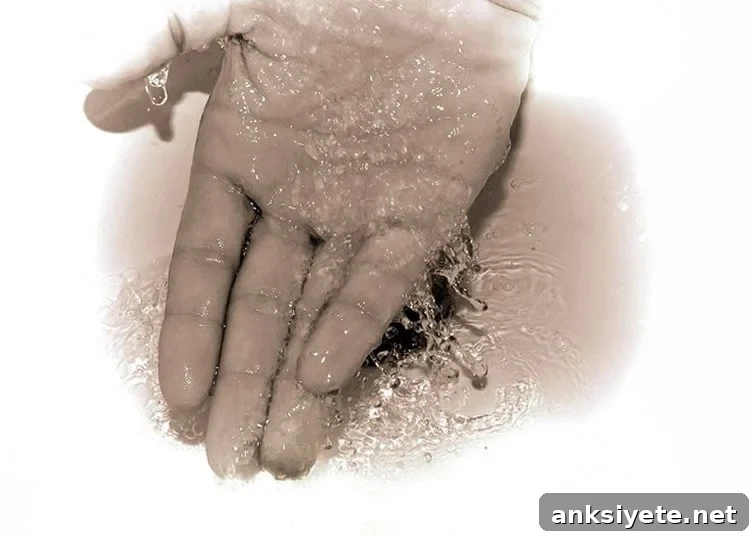
Key findings showed that participants judged cold-wet stimuli as significantly wetter than warm-wet or neutral-wet stimuli, even when moisture content was identical. Diminishing A-fiber activity reduced reported wetness, supporting the idea that A-type afferents conveying cold and tactile information are critical for wetness perception. The study also found that hairy skin (forearm) was more sensitive to wetness than glabrous skin (fingertips), consistent with higher thermal sensitivity in hairy skin and stronger tactile sensitivity in glabrous skin.
These results support a model in which the brain infers wetness by integrating multisensory signals—especially cold-related and mechanosensory cues—rather than detecting a unique wetness receptor. By combining perceptual learning and Bayesian inference principles, the researchers propose the first neurophysiological framework describing how cutaneous wetness is represented and processed in the nervous system.
Implications
The proposed model explains why cold moisture feels wetter and why different skin regions vary in wetness sensitivity. Understanding the multisensory basis of wetness perception has practical implications for product design, textile comfort, clinical assessments of sensory function, and developing realistic tactile feedback in haptic technologies. It also clarifies how changes in peripheral nerve function can alter perceived wetness, which may be relevant in neuropathies or during localized nerve impairment.
Notes about this neuroscience research
Contact: Stacy Brooks – American Psychological Society
Source: American Psychological Society press release
Image source: PublicDomainPictures (public domain)
Original research: Full open access research: “Why wet feels wet? A neurophysiological model of human cutaneous wetness sensitivity” by Davide Filingeri, Damien Fournet, Simon Hodder, and George Havenith, Journal of Neurophysiology. Published online September 15, 2014. DOI: 10.1152/jn.00120.2014.
Why wet feels wet? A neurophysiological model of human cutaneous wetness sensitivity
Humans rely on the ability to sense skin wetness and humidity for behavioral and autonomic responses, yet the skin does not contain dedicated wetness receptors. Prior work suggests that wetness is perceived by learning associations between moisture and the combination of thermal and tactile cues that arise when skin contacts wet surfaces or produces sweat. However, the distinct roles of thermal and tactile inputs and how they are integrated by peripheral and central nervous systems remained unclear.
In this quantitative sensory study, researchers tested the hypothesis that central integration of cold-sensitive and mechanosensitive signals, carried by peripheral A-type afferents, forms the primary neural basis for wetness sensitivity. Participants rated warm-wet and neutral-wet stimuli as less wet than cold-wet stimuli despite identical moisture. When cutaneous cold and tactile sensitivity were selectively reduced by suppressing A-fiber activity, wetness perception decreased significantly. Using concepts of perceptual learning and Bayesian inference, the authors present a neurophysiological model centered on multisensory integration of cold-sensitive and mechanosensitive afferents. The findings provide evidence for a specific information-processing model underlying the neural representation of typical wet stimuli and help explain how humans perceive warm, neutral, and cold skin wetness.
Study citation: “Why wet feels wet? A neurophysiological model of human cutaneous wetness sensitivity” by Davide Filingeri, Damien Fournet, Simon Hodder, and George Havenith, Journal of Neurophysiology, September 15, 2014. DOI: 10.1152/jn.00120.2014.