
Neuroimaging Identifies Reduced vmPFC Response as a Potential Biomarker for Autism in Children
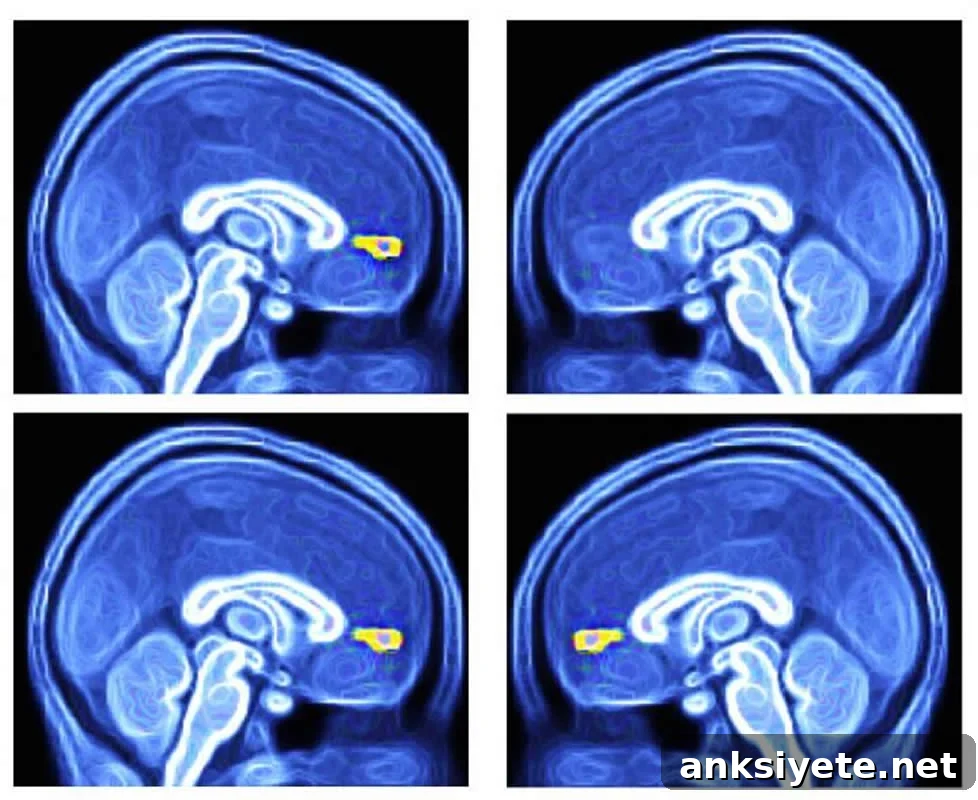
Summary: Functional neuroimaging shows a markedly reduced response in the ventromedial prefrontal cortex (vmPFC) of children on the autism spectrum when viewing highly valued social cues. These findings point toward a possible objective, brain-based biomarker for Autism Spectrum Disorder (ASD).
Source: Wake Forest Baptist Medical Center
Wake Forest researchers have taken an important first step toward an objective, brain-based diagnostic test for autism. Using functional magnetic resonance imaging (fMRI), the team measured how the vmPFC — a brain region crucial for assigning value to social interactions — responds to social and non-social cues in children with ASD compared with typically developing peers.
The study, published in the journal Biological Psychology, examined vmPFC responsiveness during a passive picture-viewing task. The research team, led by Kenneth Kishida, Ph.D., assistant professor of physiology and pharmacology at Wake Forest School of Medicine, together with P. Read Montague, Ph.D., tested 40 children aged 6 to 18: 12 diagnosed with ASD and 28 typically developing (TD) controls. Their goal was to determine whether a single, brief presentation of a socially valued stimulus could reliably distinguish children with ASD from TD peers.
Participants were first scanned in an fMRI while viewing eight images — a combination of faces and objects — each presented multiple times. Each child included two self-selected images: a favorite person and a favorite object. The remaining images were standardized faces and objects representing pleasant, neutral, or unpleasant categories drawn from commonly used psychological stimulus sets. After the 12–15 minute MRI session, children rated the same images on a sliding scale from pleasant to unpleasant and made pairwise preference judgments.
Results showed that the average vmPFC response to favorite people was significantly lower in the ASD group than in the TD group. Notably, the research team found that data captured from a single-stimulus presentation — less than 30 seconds of fMRI recording — was sufficient to differentiate the two cohorts. This indicates that vmPFC responsiveness to socially meaningful visual cues could serve as a rapid, objective measure to augment current clinical assessments.
“How the brain responded to these pictures is consistent with our hypothesis that the brains of children with autism do not encode the value of social exchange in the same way as typically developing children,” said Kenneth Kishida, Ph.D.
Kishida and colleagues emphasize that the current clinical diagnosis of autism typically relies on a multi-hour behavioral evaluation by trained clinicians. An objective, neurobiological test would not replace these clinical assessments immediately but could provide a rapid biomarker to support diagnosis and potentially help stratify subtypes of autism based on brain function.
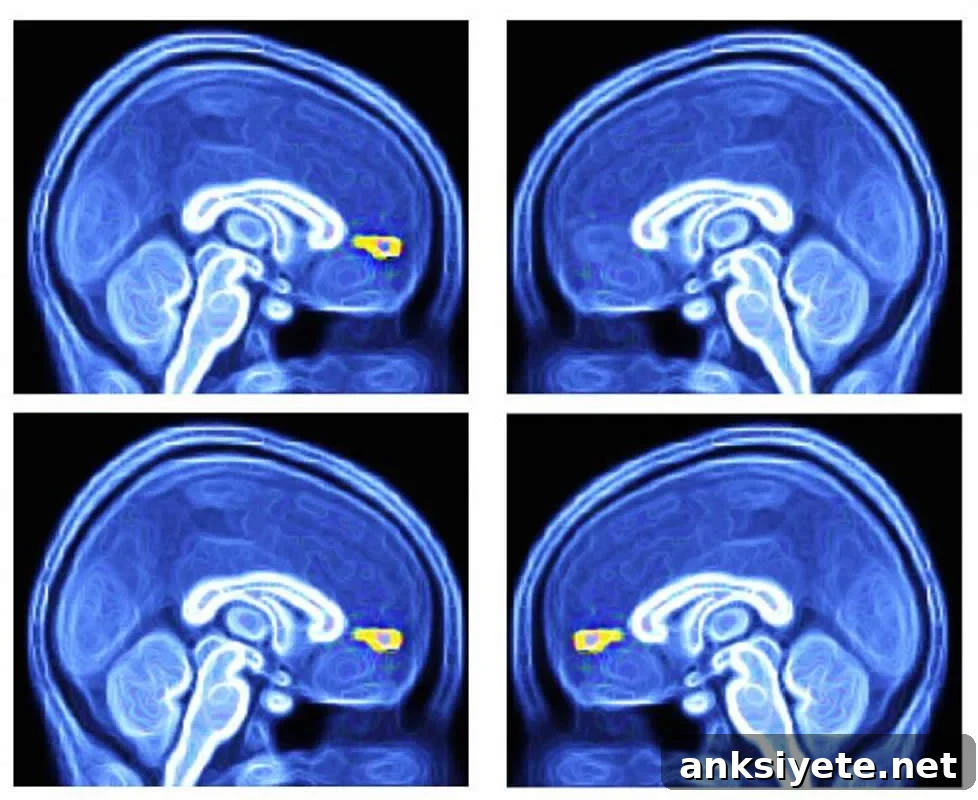
Beyond diagnostic implications, the findings offer insight into the neurobiology of social motivation in autism. The ventromedial prefrontal cortex is known to play a central role in encoding expected outcome values and guiding value-based decision-making. The diminished vmPFC response to favorite people observed in children with ASD supports the idea that reduced valuation of social exchange may contribute to decreased social engagement in autism.
The investigators plan follow-up studies to map additional brain regions and networks involved in different facets of ASD. These studies aim to better characterize heterogeneity across the autism spectrum and to inform personalized treatment strategies that target specific neural mechanisms.
Participants and practical implications: The study cohort included children aged 6–18, enabling assessment across a wide developmental range. The demonstration that a single-stimulus, brief fMRI epoch can discriminate ASD from TD has practical significance: a rapid neural readout of social valuation could eventually be incorporated into multi-modal diagnostic workflows and research protocols focused on early identification and intervention.
Funding: This work received support from a Wellcome Trust Principal Research Fellowship, the Kane Family Foundation, Autism Speaks, the Charles A. Dana Foundation, and the National Institutes of Health (grant numbers RO1 DA11723, RO1 MH085496, T32 NS43124 and UL1TR001420-KL2).
Source: Wake Forest Baptist Medical Center
Original Research: Kishida, K. T., et al. “Diminished single-stimulus response in vmPFC to favorite people in children diagnosed with Autism Spectrum Disorder.” Biological Psychology. The study reports that vmPFC responses to socially meaningful images are significantly reduced in children with ASD and that brief fMRI recordings can distinguish ASD and TD cohorts.
Abstract (summary): Children with autism engage less in social interaction than their typically developing peers. One contributing factor may be diminished neural valuation of social exchanges. The ventromedial prefrontal cortex encodes expected outcome value for actions linked to environmental cues. Using fMRI during a passive picture-viewing task, researchers measured vmPFC responses in children with ASD and age-matched TD controls and found a significantly lower average vmPFC response in the ASD group. A single-stimulus recording of less than 30 seconds was sufficient to differentiate the groups, suggesting the potential of single-stimulus fMRI as an objective, biologically based diagnostic tool to complement traditional clinical evaluations.