
Summary: Children with high-functioning autism who completed a virtual reality social cognition training program showed gains in emotional recognition, perspective taking, and real-world social relationships.
Source: UT Dallas
Many children with high-functioning autism have average to above-average intellectual abilities but face persistent social challenges. Difficulties with social communication, inhibitory control, and emotional regulation can contribute to social isolation and low self-esteem. New research from the Center for BrainHealth at The University of Texas at Dallas indicates that a structured virtual reality (VR) training program can help improve social cognition and everyday social interactions for this population.
“Individuals with autism may become overwhelmed and anxious in social situations,” said Nyaz Didehbani, Ph.D., a research clinician at the Center for BrainHealth. “The virtual reality training platform creates a safe place for participants to practice social situations without the intense fear of consequence.”
The study, published in the journal Computers and Human Behavior, found that participants who completed the VR training improved on laboratory measures of social cognition and reported better relationships outside the lab. Neurocognitive testing showed measurable gains in recognizing emotions, understanding others’ perspectives, and applying problem-solving strategies in social contexts.
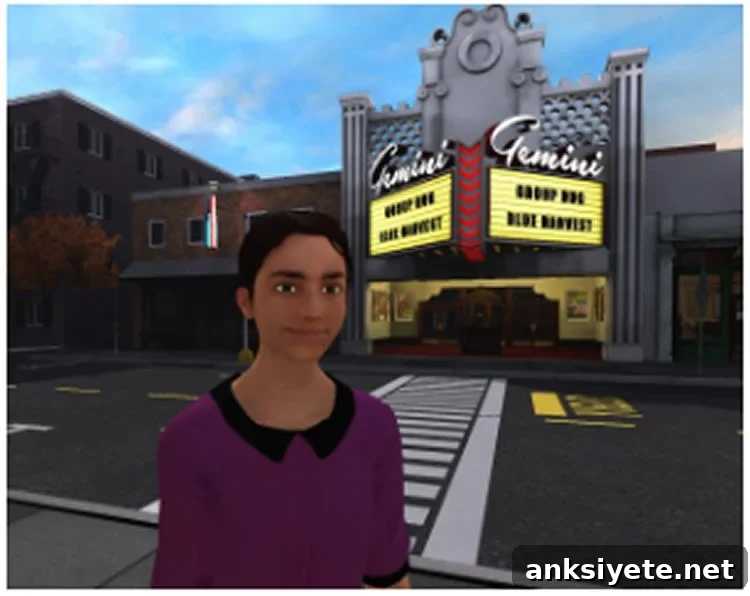
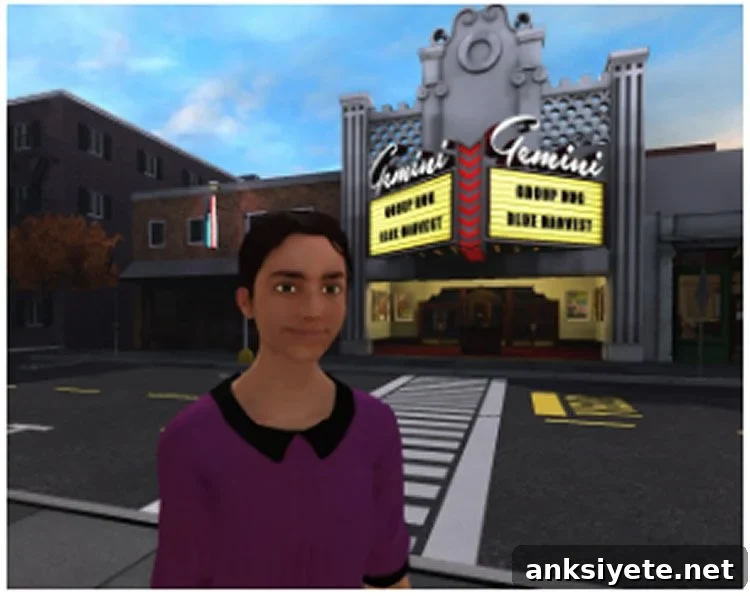
For the trial, thirty children and adolescents between the ages of 7 and 16, all diagnosed with high-functioning autism, were paired into dyads. Each pair completed ten one-hour VR sessions over five weeks. The training combined instruction and guided practice in realistic social scenarios, such as meeting a new peer, responding to teasing or bullying, and inviting someone to a social event. Within the immersive, game-like environment, participants interacted with two clinicians who appeared as avatars: one clinician acted as a coach to provide feedback and strategy instruction, while the other played the role of a conversational partner—classmate, bully, teacher, or other characters depending on the scenario.
“This research builds on past studies we conducted with adults on the autism spectrum and demonstrates that virtual reality may be a promising and motivating platform for both age groups,” said Tandra Allen, M.S., head of virtual training programs at the Center for BrainHealth. “This was the first study to pair participants together with the goal of enhancing social learning. We observed relationships in life grow from virtual world conversations. We saw a lot of growth in their ability to initiate and maintain a conversation, interpret emotions and judge the quality of a friendship.”
“It’s exciting that we can observe changes in diverse domains including emotion recognition, making social attribution, and executive functions related to reasoning through this life-like intervention,” said Daniel Krawczyk, Ph.D., associate professor at The University of Texas at Dallas and Debbie and Jim Francis Chair at the Center for BrainHealth. “These results demonstrate that core social skills can be enhanced using a virtual training method.”
Study design and measured outcomes
The VR curriculum emphasized rehearsal of everyday social situations and taught explicit strategies for recognizing emotions, considering others’ perspectives, and resolving social problems. Pre- and post-intervention assessments targeted three primary domains: emotion recognition (the ability to identify feelings from facial expressions and social cues), social attribution (the capacity to infer others’ intentions and viewpoints), and attention and executive function (skills such as planning, reasoning, and flexible thinking that support social problem solving).
After completing the training, participants showed improvements across these domains on standardized neurocognitive tests, and many families reported improvements in real-world interactions. The authors characterize these findings as preliminary but promising, suggesting that guided VR practice can transfer to everyday social contexts for children with high-functioning autism.
Funding and research source
Funding: The research was supported by grants from the Rees-Jones Foundation, the Sparrow Foundation, the Lattner Foundation, and the Crystal Charity Ball.
Source: Emily Bywaters, UT Dallas
Image credit: Researchers and UT Dallas
Original research
Article: “Virtual Reality Social Cognition Training for Children with High Functioning Autism” by Nyaz Didehbani, Tandra Allen, Michelle Kandalaft, Daniel Krawczyk, and Sandra Chapman. Published in Computers in Human Behavior (published online September 2016). DOI: 10.1016/j.chb.2016.04.033.
Abstract (summary)
Virtual reality offers a motivating, controlled environment for children with Autism Spectrum Disorders (ASD) to safely practice and rehearse social skills. This study evaluated a Virtual Reality Social Cognition Training program for children with high-functioning autism. Thirty participants aged 7–16 completed ten one-hour sessions across five weeks. Pre- and post-intervention measures examined emotion recognition, social attribution, attention, and executive function. Results indicated improvements in emotion recognition, social attribution, and executive function related to analogical reasoning. These preliminary findings support VR as an effective option for addressing social impairments commonly associated with ASD.