
Summary: New research finds that people with obstructive sleep apnea have difficulty recalling specific details of their autobiographical memories, which may increase their risk of developing depression.
People with sleep apnea often struggle to remember detailed personal memories, a new study suggests, and this memory difficulty could help explain the higher rates of depression seen in the condition.
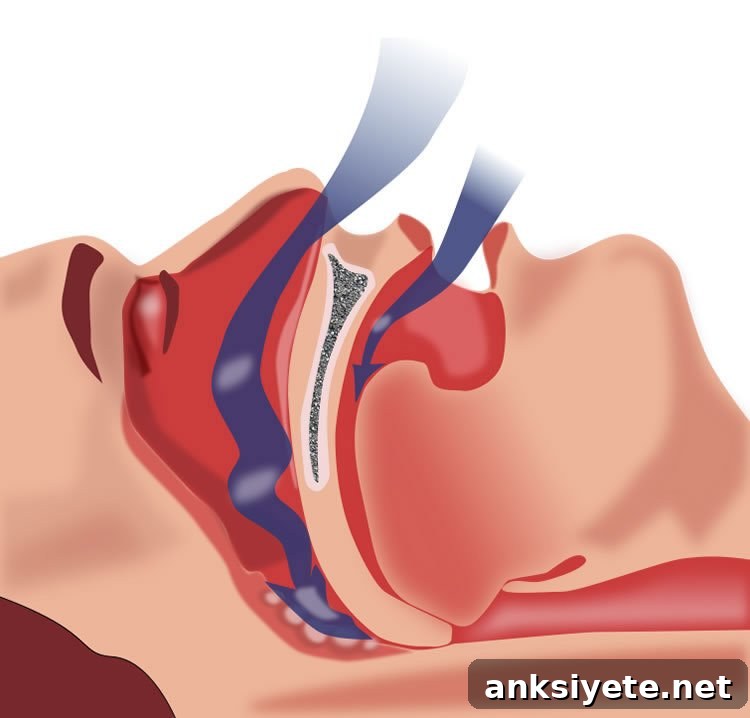
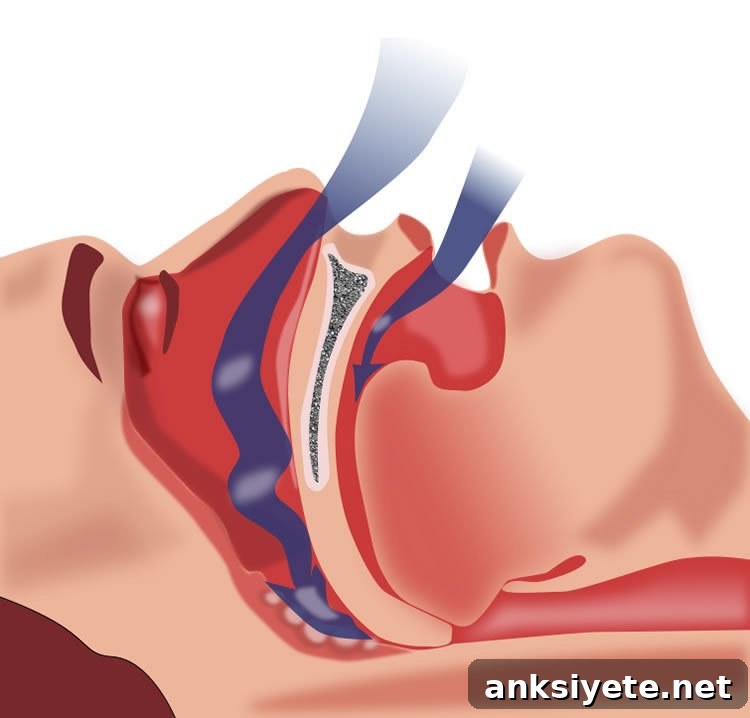
Obstructive sleep apnea (OSA), a disorder in which breathing repeatedly stops and starts during sleep, affects hundreds of millions worldwide and is particularly common in older adults. Sleep fragmentation and intermittent oxygen deprivation that accompany OSA are known to impair cognition, but how the condition affects the way people remember their own life experiences has been unclear.
Researchers at RMIT University in Melbourne examined autobiographical memory in people with untreated OSA and compared their performance to age-matched healthy controls. The study focused on two components of autobiographical memory: semantic memory for personal facts (for example, names of teachers or schools attended) and episodic memory for specific events (for example, your first day at high school). It also measured the tendency to retrieve overgeneral memories—vague, non-specific recollections that lack detailed context. Overgeneral autobiographical memory is a known marker of vulnerability to depression.
The study included 44 adults with untreated OSA and 44 matched control participants. Assessments covered memories from different life stages—childhood, early adulthood and recent life—and used standard autobiographical memory tests to probe both semantic and episodic recall as well as the specificity of retrieved memories.
Results showed that people with untreated OSA recalled significantly more overgeneral memories: 52.3% of responses were overgeneral in the OSA group compared with 18.9% in the control group. In addition, the OSA group demonstrated poorer semantic autobiographical memory, particularly for early adulthood. Despite these deficits, episodic memory for specific events remained relatively preserved in the OSA group, suggesting a selective impact on the semantic aspects of personal memory.
Age and mood symptoms influenced memory performance across both groups. Older participants tended to produce more overgeneral memories, while higher levels of depressive symptoms were associated with worse semantic memory. Within the OSA group, poorer semantic recall of early adult life correlated with more depressive symptoms and lower levels of education.
Lead investigator Dr. Melinda Jackson noted that the findings align with previous research linking overgeneral autobiographical memory to the development and persistence of depression. She explained that sleep disruption in OSA may interfere with the brain processes that encode or consolidate certain types of autobiographical information, making it harder for affected individuals to retrieve detailed personal facts.
Brain imaging studies have previously shown reduced grey matter in regions involved in autobiographical memory in people with OSA. This anatomical overlap raises the possibility of a common neurobiological mechanism linking sleep apnea, memory impairment and mood disturbances. Jackson emphasized the need for further research to determine whether the same brain network dysfunction drives both depressive symptoms and autobiographical memory problems in OSA.
Continuous positive airway pressure (CPAP) treatment, which prevents airway collapse during sleep, has been shown to improve some cognitive deficits associated with OSA. An important next step will be long-term studies that assess whether effective OSA treatment can reverse or reduce the semantic memory deficits and overgeneral memory patterns observed in this study, and whether such improvements lower the risk of depression.
Source: RMIT Memory (Gosia Kaszubska).
Publisher: Neuroscience News organized the summary.
Original research: “Autobiographical Memory From Different Life Stages in Individuals With Obstructive Sleep Apnea” published in the Journal of the International Neuropsychological Society by Neha Delhikar et al. (January 2019).
Abstract (summary)
Objectives: Autobiographical memory dysfunction is a marker of vulnerability to depression. This study investigated whether individuals with untreated obstructive sleep apnea have impaired autobiographical memory relative to age-matched controls, and evaluated memory quality across three life stages.
Methods: Forty-four participants with OSA (mean age ≈ 49.4 years) and 44 age-matched controls (mean age ≈ 50.0 years) completed the Autobiographical Memory Interview to assess semantic and episodic memory across childhood, early adulthood and recent life. Autobiographical Memory Test data assessed overgeneral memory recall in 44 OSA participants and 37 controls.
Results: Participants with OSA showed significantly poorer semantic recall of early adult life and a higher rate of overgeneral autobiographical memories than controls. Poor semantic recall correlated with more depressive symptoms and lower education, while higher overgeneral recall correlated with older age.
Conclusions: The study identified a specific deficit in semantic autobiographical recall and increased overgeneral memory in individuals with OSA. These memory features may contribute to the elevated rates of depression observed in this population and point to the importance of understanding sleep-related effects on autobiographical memory processing.