
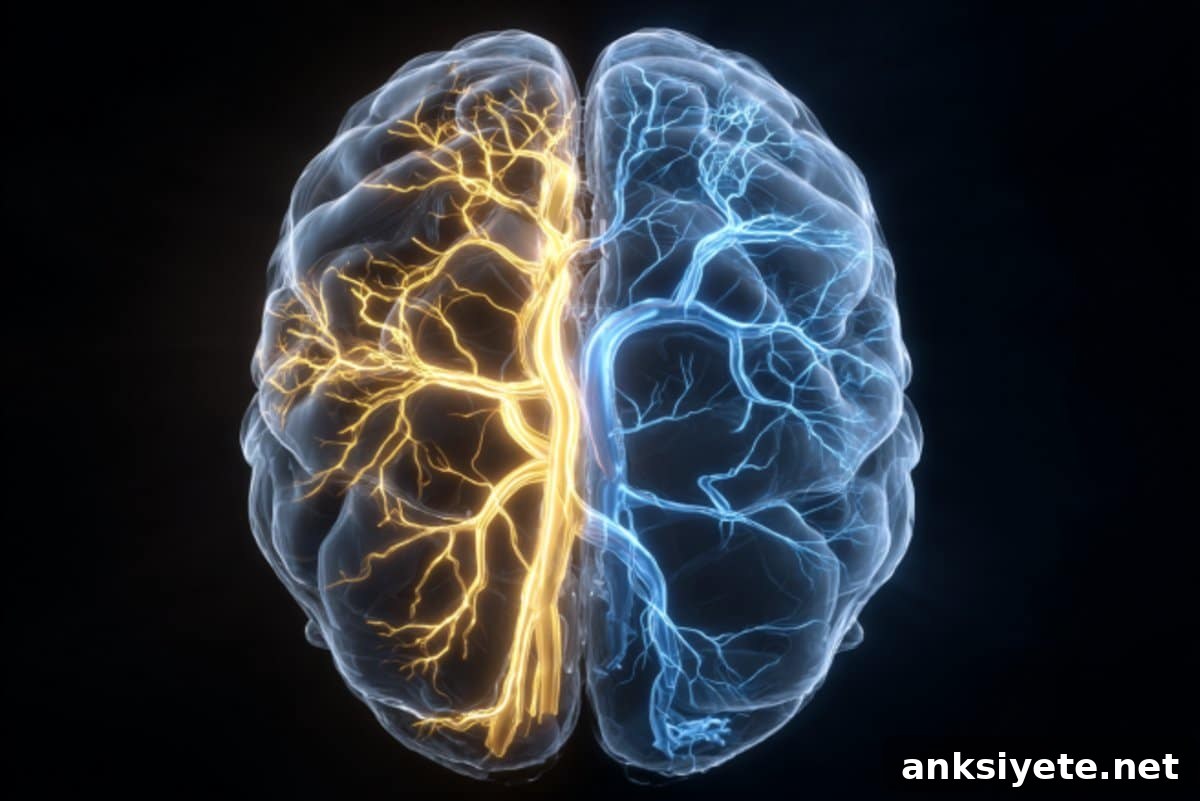
Summary: New research indicates that breakdowns in the brain’s waste-clearance network—the glymphatic system—are strongly associated with increased dementia risk. In a large study using MRI data from around 40,000 adults, measures of cerebrospinal fluid (CSF) movement predicted future dementia years before clinical symptoms emerged.
The study links cardiovascular problems such as high blood pressure and small vessel disease to impaired glymphatic function, which may accelerate the accumulation of toxic proteins in the brain. The findings suggest that improving sleep, managing blood pressure and treating vascular risk factors could help preserve brain clearance mechanisms and lower dementia risk.
Key Facts:
- Glymphatic link: MRI-derived measures of impaired glymphatic function predicted dementia risk across a cohort of roughly 40,000 adults.
- Cardiovascular impact: Hypertension and other vascular risk factors were associated with disrupted CSF flow and signs of small vessel disease in the brain.
- Prevention potential: Better sleep and control of blood pressure and diabetes may protect glymphatic clearance and reduce long‑term dementia risk.
Source: University of Cambridge
Problems in the brain’s waste-clearance system could underlie many cases of dementia and help explain why poor sleep and cardiovascular risk factors increase dementia risk. A team led by researchers at the University of Cambridge examined whether impaired movement of cerebrospinal fluid—the clear liquid that cushions and flushes the brain—predicts dementia later in life.
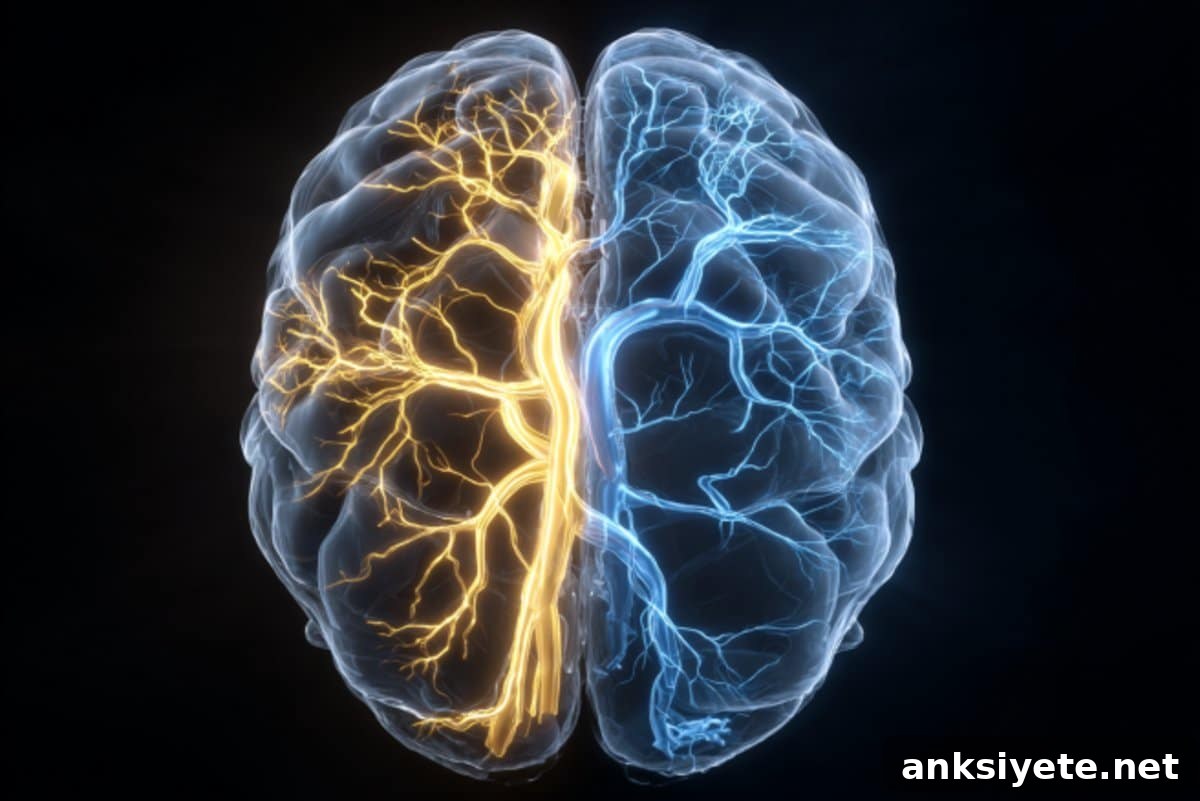
Their results appear in Alzheimer’s & Dementia: The Journal of the Alzheimer’s Association. The research used MRI scans and machine‑learning analysis to assess indirect markers of CSF dynamics and tested whether these markers predicted incident dementia over the following decade.
The glymphatic system, first described in 2012, clears metabolic waste by circulating CSF through tiny channels around blood vessels called perivascular spaces. This flushing process helps remove toxic proteins such as amyloid and tau, whose buildup is linked to Alzheimer’s disease. Vascular dementia, another common form of cognitive decline, results from reduced blood flow—often due to cerebral small vessel disease—which itself can worsen other dementia types when present alongside Alzheimer’s pathology.
To study these relationships in people, Cambridge investigators applied novel machine‑learning tools to MRI data from approximately 40,000 UK Biobank participants. The algorithm evaluated several MRI-based biomarkers of CSF dynamics and identified three that were predictive of future dementia when measured at baseline.
The predictive biomarkers included DTI-ALPS, an index of water diffusion along perivascular spaces; choroid plexus volume, reflecting anatomic features where CSF is produced; and a measure of CSF flow velocity into the brain. Lower DTI-ALPS and reduced BOLD‑CSF coupling, along with larger choroid plexus volume, were associated with higher dementia risk. Perivascular space volume itself was not predictive in this analysis.
Further analysis revealed that common cardiovascular risk factors—high blood pressure, diabetes and markers of small vessel disease visible on MRI—were linked to impaired CSF dynamics. Mediation analysis indicated that impaired CSF flow helps explain how vascular risk factors translate into increased dementia risk. In other words, vascular damage appears to disrupt the brain’s clearance mechanisms, which then allows toxic proteins to accumulate.
The study authors note that while MRI proxies are indirect, the large sample size and consistent associations provide substantial evidence that glymphatic dysfunction contributes to dementia development. Practical implications include targeting modifiable risk factors and exploring interventions to improve glymphatic clearance.
Sleep is a major modulator of glymphatic activity: deep, regular sleep enhances CSF flow and clearance of metabolic waste. Therefore, addressing sleep disorders and promoting healthy sleep patterns could be a low‑risk strategy for maintaining glymphatic function. In addition, proven cardiovascular interventions—most notably blood pressure control—may protect the glymphatic system. Trials such as SPRINT MIND have already shown that intensive blood pressure lowering reduces cognitive decline and dementia incidence, supporting vascular risk management as a dementia prevention approach.
Professor Hugh Markus and colleagues emphasize that a significant share of dementia risk is attributable to common, modifiable vascular factors such as hypertension and smoking. If these factors impair glymphatic clearance, then treating them could be an achievable way to slow or prevent dementia onset. The research opens new directions for developing drugs or repurposing existing medications to enhance glymphatic function, alongside lifestyle measures that support restorative sleep.
Professor Bryan Williams of the British Heart Foundation commented that these findings provide a valuable perspective on how brain waste-clearance failures may quietly increase dementia risk and underscore the importance of managing cardiovascular health to protect cognition.
Funding: The study was funded by the British Heart Foundation with additional support from the National Institute for Health and Care Research Cambridge Biomedical Research Centre.
Key Questions Answered:
A: The glymphatic system is the brain’s clearance network that uses cerebrospinal fluid to flush out metabolic waste. When this system is disrupted, waste products like amyloid and tau can build up and contribute to cognitive decline.
A: Hypertension, diabetes and small vessel disease can impair CSF flow and damage perivascular pathways, reducing the brain’s ability to clear toxic proteins and increasing dementia risk.
A: Yes. Deep, regular sleep supports glymphatic clearance, and treating vascular risk factors such as high blood pressure has been shown to lower the likelihood of cognitive decline and dementia.
About this dementia and neurology research news
Author: Craig Brierley
Source: University of Cambridge
Contact: Craig Brierley – University of Cambridge
Image: Image credited to Neuroscience News
Original Research: Open access. “MRI markers of cerebrospinal fluid dynamics predict dementia and mediate the impact of cardiovascular risk” by Hugh Markus et al., published in Alzheimer’s & Dementia. DOI: 10.1002/alz.70699
Abstract
MRI markers of cerebrospinal fluid dynamics predict dementia and mediate the impact of cardiovascular risk
INTRODUCTION
Impaired cerebrospinal fluid (CSF) dynamics may contribute to dementia, but human evidence is limited. We examined associations between magnetic resonance imaging–based proxies of CSF dynamics and incident dementia, and whether CSF dysfunction mediates links between cardiovascular risk and dementia.
METHODS
Using the UK Biobank, the researchers measured CSF dynamics through perivascular space volume, diffusion tensor image analysis along perivascular spaces (DTI-ALPS), blood oxygen level–dependent CSF (BOLD-CSF) coupling, and choroid plexus volume. They assessed cardiovascular risk factors and dementia outcomes using general practitioner, hospital and mortality records, and applied mediation analysis to test whether CSF dysfunction links cardiovascular risk to dementia.
RESULTS
Lower DTI-ALPS and lower BOLD-CSF coupling, together with higher choroid plexus volume, predicted future dementia, while perivascular space volume did not. DTI-ALPS and choroid plexus volume partially mediated the effects of white matter hyperintensities and diabetes duration on dementia risk.
DISCUSSION
The findings support a role for impaired CSF dynamics in the development of dementia and indicate that glymphatic dysfunction may partly explain how cardiovascular risk factors increase dementia risk. Interventions that protect vascular health and enhance sleep and CSF clearance merit further investigation as strategies to prevent cognitive decline.