
Summary: New studies from the Karolinska Institutet indicate that people with early-stage schizophrenia have reduced levels of the inhibitory neurotransmitter GABA in cerebrospinal fluid and show altered markers of brain immune cells.
Source: Karolinska Institutet
Researchers at Karolinska Institutet, working within the large Karolinska Schizophrenia Project (KaSP), have published initial findings that shed light on biological changes in early schizophrenia. Two complementary studies in Molecular Psychiatry report lower cerebrospinal fluid (CSF) GABA concentrations in first-episode psychosis patients and decreased binding of the glial cell marker TSPO as measured with PET imaging, suggesting altered neuronal inhibition and immune cell function in the brain.
Schizophrenia is a chronic psychiatric disorder affecting roughly 1% of the population, typically emerging in late adolescence or early adulthood. Symptoms can include hallucinations, delusions, disorganized thinking and anxiety, and the illness often persists long term. Current treatments focus on symptom relief; however, they are only partially effective and only a minority of patients achieve full remission. A central obstacle to improved therapies is limited understanding of the underlying disease mechanisms.
KaSP unites clinicians and basic researchers across multiple disciplines to build a comprehensive picture of schizophrenia’s biology. The study recruits patients presenting with an acute first-episode psychosis and compares them with age- and sex-matched healthy volunteers. Participants undergo extensive assessments including cognitive testing, genetic and biochemical analyses, and multimodal brain imaging to identify biological signatures linked to early-stage illness.
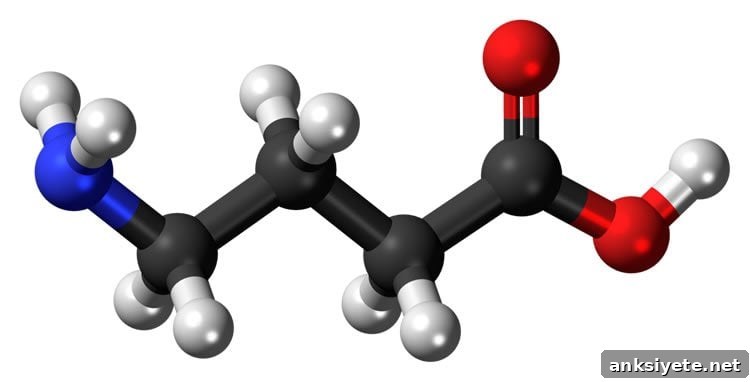
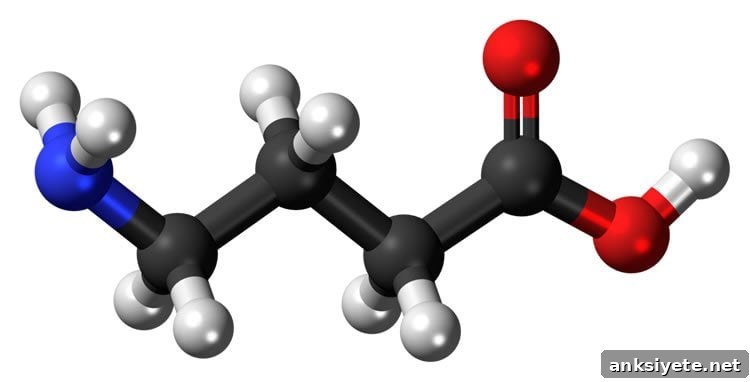
One study measured GABA levels in CSF using high-performance liquid chromatography in 41 first-episode psychosis patients and 21 healthy controls. The researchers found that CSF GABA concentrations were significantly lower in patients than in controls. Importantly, reduced GABA levels correlated with greater symptom severity on clinical rating scales and with overall illness severity; the relationship appeared independent of antipsychotic or anxiolytic treatment. GABA is the brain’s principal inhibitory neurotransmitter and, together with glutamate, mediates the majority of neuronal communication—glutamate typically excites neural activity, while GABA suppresses it. A deficit in GABAergic signaling has long been hypothesized to contribute to schizophrenia, and these clinical data provide in vivo human evidence supporting that link.
The second study used positron emission tomography (PET) with the radioligand [11C]PBR28 to measure translocator protein (TSPO) binding, a commonly used marker for glial cells such as microglia and astrocytes. The study focused on 16 drug-naïve first-episode psychosis patients and 16 healthy controls, accounting for TSPO genotype and gender in the analyses. Results showed lower TSPO binding in gray matter of patients compared with controls, consistent with either reduced numbers of TSPO-expressing immune cells or altered glial function in early-stage schizophrenia. Because this cohort was antipsychotic-naïve, the findings are less likely to be confounded by medication effects that can modulate immune signaling.
Taken together, these two lines of evidence—decreased CSF GABA and lower TSPO PET signal—point to disruptions in both inhibitory neurotransmission and glial cell processes in early psychosis. However, the studies do not establish causality: it remains unclear whether these biological changes drive the emergence of symptoms or arise as a consequence of the disorder. Ongoing longitudinal and mechanistic follow-up studies within KaSP aim to determine the temporal relationships, underlying causes, and whether these processes can be targeted to modify disease progression.
The GABA study was led by Göran Engberg and received funding from multiple Swedish foundations and research councils, including the Swedish Research Council, the Swedish Brain Foundation and Karolinska Institutet funding sources, as well as grants and support from charitable foundations and collaborative programs. The PET/TSPO study was led by Simon Cervenka and was supported by the Swedish Research Council, Stockholm County Council, the Swedish Society of Medicine, EU framework funding and other regional and institutional grants. Several co-authors have had one-off industry engagements or grant support from pharmaceutical companies, which are disclosed in the original publications.
Selected study details
CSF GABA in first-episode psychosis: Analysis of CSF by high-performance liquid chromatography in 41 first-episode patients versus 21 matched controls found lower GABA in patients. Lower CSF GABA correlated with higher symptom burden and illness severity, suggesting a role for impaired inhibitory neurotransmission in early-stage schizophrenia.
TSPO PET in drug‑naïve first‑episode patients: PET imaging with [11C]PBR28 in 16 drug‑naïve patients and 16 controls showed reduced TSPO volume of distribution in gray matter among patients, after correcting for TSPO genotype and gender. The result suggests altered glial cell number or function in early psychosis.
The full studies are published in Molecular Psychiatry and report the detailed methods, statistical analyses and author disclosures. KaSP continues to recruit and follow patients to clarify how these biological signals relate to clinical outcomes and to identify potential targets for improved treatments.