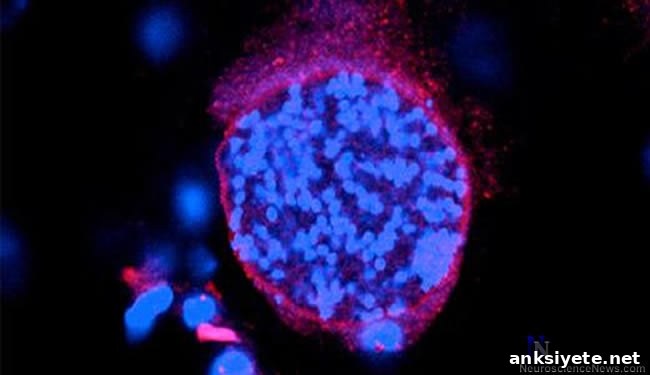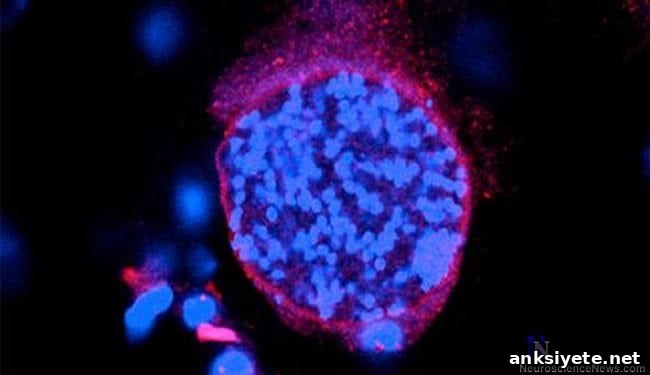
A research team at the University of Leeds has demonstrated that infection by the brain parasite Toxoplasma gondii, which is estimated to be present in roughly 10–20% of the UK population, can directly alter the production of dopamine, a crucial chemical messenger in the brain.
These findings represent the first clear evidence that a mammalian brain parasite is capable of changing dopamine levels within infected neural cells. Although the experiments were performed in rodents, the lead investigator, Dr. Glenn McConkey of the Faculty of Biological Sciences at the University of Leeds, notes that the results may offer valuable insights for understanding and potentially treating human neurological conditions in which dopamine plays a central role, including schizophrenia, attention deficit hyperactivity disorder (ADHD), and Parkinson’s disease.
The study helps explain a remarkable behavioral effect previously observed in infected rodents. Mice and rats carrying the parasite often lose their innate fear of cats, a change that significantly raises the likelihood of predation. This altered behavior benefits the parasite because it increases the chance of returning to its primary host, completing the parasite’s life cycle.
Funded by the Stanley Medical Research Institute and the Dunhill Medical Trust, the research team found that T. gondii infection causes infected brain cells to produce and release dopamine at levels many times above normal. Dopamine is a natural neurotransmitter that relays signals across the brain, regulating movement, cognition, motivation, reward, and emotional responses such as fear and pleasure. Variations in dopamine signaling are implicated in a wide range of behaviors and clinical conditions: certain dopamine receptor profiles are associated with sensation-seeking behavior, while dopamine deficiency is a hallmark of Parkinson’s disease.
These results build on earlier genomic analyses by Dr. McConkey’s group showing that the parasite carries the genetic instructions to produce an enzyme involved in dopamine synthesis. Based on that genomic evidence and the new experimental data, the researchers conclude that T. gondii can drive a substantial increase in dopamine production within neural tissue.
Dr. McConkey emphasizes caution when extrapolating from animal models to humans. Humans are accidental hosts for T. gondii, and the parasite can lodge itself in different regions of the brain. Consequently, any symptoms in infected people may vary depending on where the parasite localizes. This variability could help explain observed statistical associations between toxoplasmosis and certain psychiatric conditions, including reports linking infection with a higher incidence of schizophrenia, though a direct causal relationship in humans remains to be proven.
Looking ahead, the research team plans to investigate precisely how the parasite-encoded enzyme stimulates dopamine production and how those biochemical changes translate into altered behavior. These follow-up experiments aim to define the molecular mechanisms at work and to determine whether the same processes observed in rodents are relevant to human brain biology. Understanding the mechanism could ultimately open new paths for research into dopamine-related neurological disorders and potential therapeutic strategies, but the researchers stress that more work is needed before any clinical implications can be confirmed.
Notes about this brain research article
Contact: Dr. Glenn McConkey – University of Leeds
Source: University of Leeds press release
Paper Source: The neurotropic parasite Toxoplasma gondii increases dopamine metabolism — published in PLOS ONE.
Image Source: Neuroscience News image adapted from an image included in the University of Leeds press release.