Elevated Glycine and Glutamate Linked to First-Episode Psychosis
Summary: Elevated glycine and glutamate levels are associated with the onset of psychosis, according to a new study.
Source: Elsevier.
A new study led by Dr. Dost Öngür at Harvard Medical School reports elevated concentrations of the brain chemicals glutamate and glycine in young people experiencing a first episode of psychosis. Published in Biological Psychiatry, this research delivers the first reliable in vivo measurements of glycine in patients with psychotic disorders.
Background and Rationale
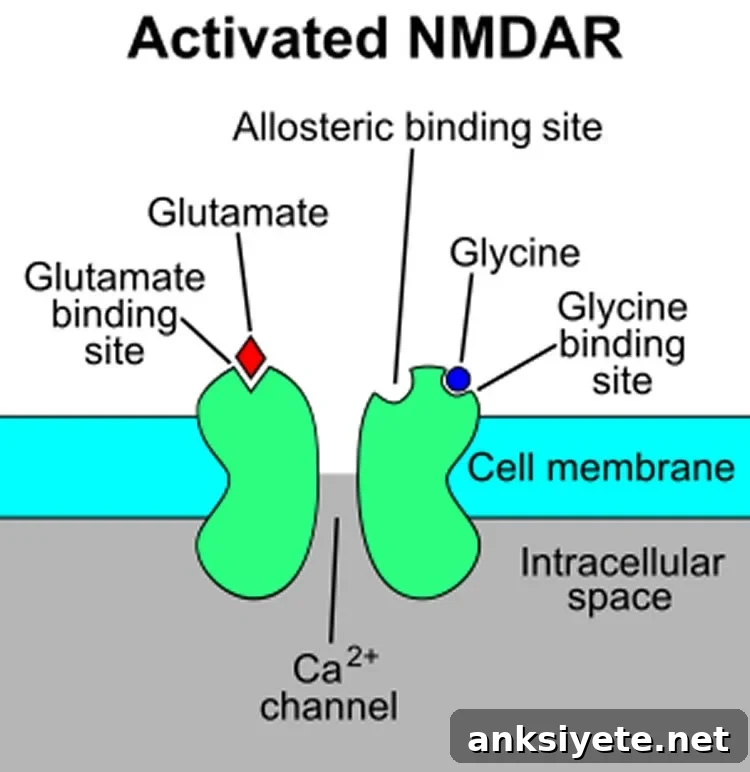
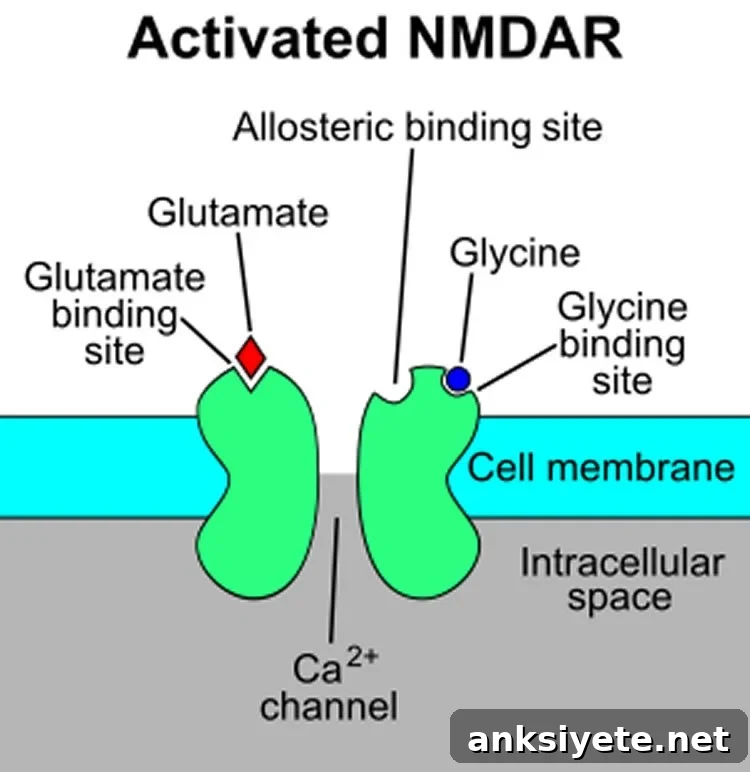
Psychotic disorders such as schizophrenia and bipolar disorder are often linked to disrupted glutamatergic neurotransmission and reduced function of the N-methyl-D-aspartate (NMDA) receptor. The NMDA receptor relies on co-agonists including glutamate and glycine to operate properly, and abnormal levels of these molecules can alter synaptic signaling that supports cognition and memory. Understanding how these metabolites change early in psychotic illnesses can inform the development of targeted therapies and biomarkers for disease stages.
Novel Measurement of Glycine
Detecting glycine inside the living human brain has been technically challenging because overlapping magnetic resonance signals often obscure its contribution. First author Dr. Sang-Young Kim and colleagues applied an advanced magnetic resonance spectroscopy (MRS) approach—echo time–averaged proton MRS at 4 Tesla—with a suppression technique that reduces the interfering signal and reveals the previously hidden glycine signal. This methodological advance enabled the first robust in vivo measurements of glycine in patients with psychotic disorders.
Study Design and Participants
The study examined 46 patients who were experiencing a first episode of psychosis and compared them with 50 age-matched healthy control participants. Within the patient group, 20 individuals were diagnosed with a schizophrenia spectrum disorder and 26 with bipolar disorder. The research team measured glutamate (Glu) and glycine (Gly) concentrations in two brain regions implicated in psychosis—the anterior cingulate cortex and the posterior cingulate cortex—using the echo time–averaged proton MRS technique at 4T. Metabolite quantification was performed with LCModel and simulated basis sets to improve accuracy.
Key Findings
Both glutamate and glycine were significantly elevated in the anterior and posterior cingulate cortices of patients with first-episode psychosis compared with healthy controls. The study also found a positive correlation between glutamate and glycine levels among patients, and similar metabolic abnormalities were observed in those diagnosed with schizophrenia spectrum disorders and bipolar disorder.
These results indicate increased availability of NMDA receptor co-agonists in the early phase of psychotic illness, suggesting that NMDA receptor stimulation may be abnormal rather than simply underactive in the earliest clinical stages.
Interpretation and Clinical Implications
The discovery of elevated glycine was unexpected: past clinical trials attempted to boost glycine levels as a strategy to compensate for presumed NMDA receptor hypofunction, but results of those interventions have been mixed. Finding higher endogenous glycine concentrations early in psychotic illness may help explain why glycine supplementation has not consistently produced the anticipated clinical benefits. The authors propose that biological processes underlying psychotic disorders may evolve across developmental phases, and treatment strategies that are appropriate at one stage may be ineffective or counterproductive at another.
Dr. Öngür and colleagues emphasize that these metabolic signatures—elevated glutamate and glycine—could serve as biomarkers for early psychosis and guide the development of treatments aimed at restoring balanced NMDA receptor function. Dr. John Krystal, editor of Biological Psychiatry, noted that the findings support the idea that different phases of schizophrenia biology may require different therapeutic approaches.
Abstract (Condensed)
The study quantified in vivo glutamate and glycine levels in 46 patients with first-episode psychosis and 50 healthy controls using echo time–averaged proton MRS at 4T. Significantly higher glutamate and glycine concentrations were observed in the anterior and posterior cingulate cortices of patients, with a positive correlation between the two metabolites. Patients with schizophrenia spectrum disorders and bipolar disorder showed similar metabolic abnormalities. These findings implicate dysregulated NMDA receptor-related glutamatergic neurotransmission in the early, acute phase of psychotic illnesses.
Research Team and Publication
The full research article is titled “In Vivo Brain Glycine and Glutamate Concentrations in Patients With First-Episode Psychosis Measured by Echo Time–Averaged Proton Magnetic Resonance Spectroscopy at 4T” and lists Sang-Young Kim, Marc J. Kaufman, Bruce M. Cohen, J. Eric Jensen, Joseph T. Coyle, Fei Du, and Dost Öngür as authors. The paper was published online in Biological Psychiatry on September 7, 2017.
Source: Rhiannon Bugno, Elsevier.
Image credit: RicHard-59 (original figure used to illustrate NMDA receptor activation).