
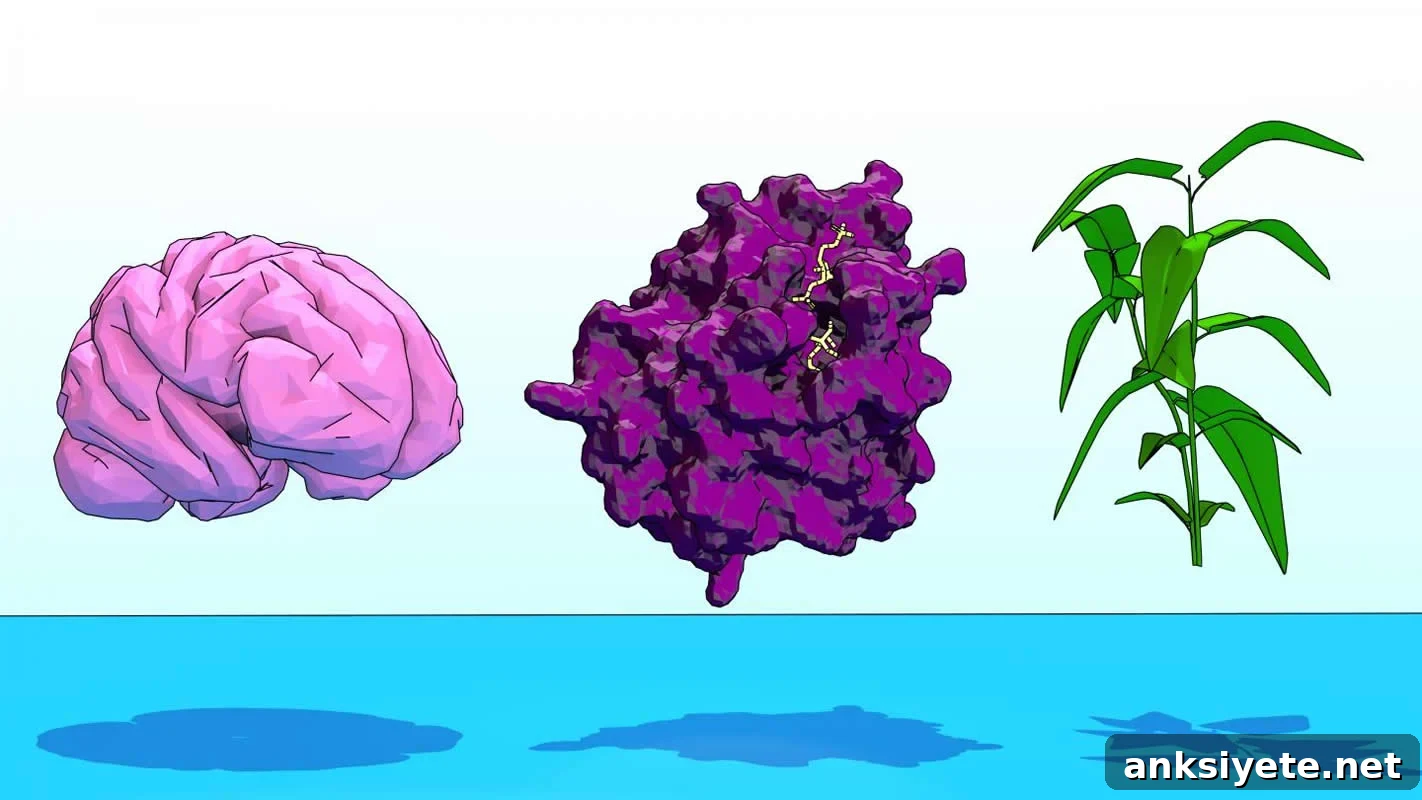
Summary: New research into the mechanisms of programmed cell death in both humans and plants identifies shared protein-driven pathways. These findings could accelerate drug development for neurodegenerative diseases and guide the creation of disease-resistant crops.
Source: University of Queensland
Research connecting cell suicide mechanisms in humans and plants offers promising avenues for treatments of neurodegenerative brain disorders and strategies to produce disease-resistant crops.
Researchers co-led by Professor Bostjan Kobe at The University of Queensland have clarified how specific proteins control the process of programmed cell death—often called apoptosis—in both human neurons and plant cells.
“Programmed cell death is a fundamental biological process,” Professor Kobe said. “Across diverse organisms, individual cells sometimes sacrifice themselves to protect the larger organism. In animals, infected or damaged cells will self-destruct to limit harm, and similar mechanisms operate in plants.”
The team discovered common molecular features in how cells trigger their own destruction. Central to this work is the protein SARM1, which the researchers found plays a critical role in neuronal degeneration across multiple neurodegenerative conditions.
“Neurodegenerative diseases have many causes, but they share the common outcome of progressive loss of brain cells,” Professor Kobe explained. “By resolving the three-dimensional structure of SARM1 and characterising how it functions, we now have crucial information that can inform the design of therapeutic molecules to slow or prevent neuronal breakdown.”
The study combined complementary disciplines—structural biology, biochemistry, neurobiology and plant science—to examine cellular machinery at high resolution. Structural biology revealed how protein components are organised in three dimensions, while biochemical and cellular assays showed how those structures translate into activity that drives cell death. This multidisciplinary approach allowed the team to trace parallels between neuronal degeneration and plant immune responses.
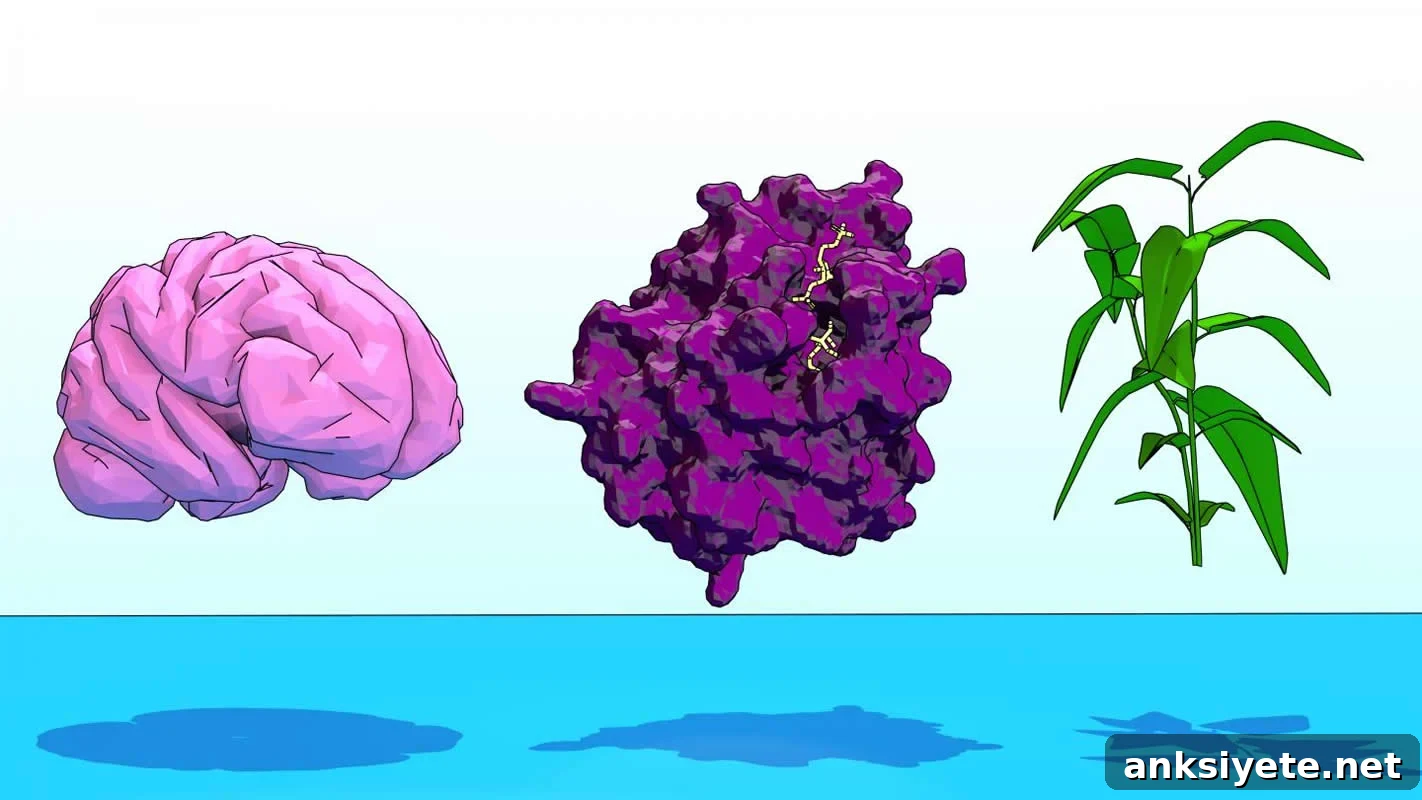
Beyond human health, the findings have direct implications for agriculture. Plant diseases reduce global crop yields by significant margins every year, and one element of plant defence is the programmed death of infected cells to stop the spread of pathogens. The researchers uncovered similarities between how neurons undergo degeneration and how plant cells initiate self-destruction during immune responses.
“Understanding the parallels between neuronal cell death and plant immune-triggered cell suicide helped us identify how some plant resistance genes operate,” the team noted.
With a clearer picture of these molecular events, scientists are better positioned to design synthetic resistance genes or other interventions that enhance crop protection. Such innovations could reduce pre-harvest losses, improve yields, and contribute to food security in regions affected by plant diseases.
The study was an international collaboration led by teams at The University of Queensland, The Australian National University, Griffith University and CSIRO, with additional partners in the United States, United Kingdom and Australia. Their collective expertise spanned molecular structure determination, cellular assays and plant pathology.
Source:
University of Queensland
Media Contacts:
Bostjan Kobe – University of Queensland
Image Source:
Image credit: Xiaoxiao Zhang and Hayden Burdett.
Original Research: The study will appear in Science.