
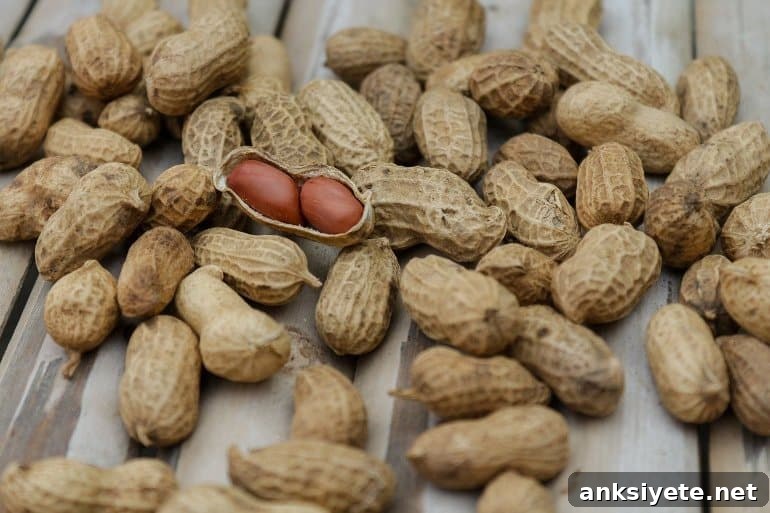
Summary: New research indicates that frequent peanut consumption by people with cancer could raise the risk of their tumours spreading. The study shows that peanut agglutinin (PNA), a carbohydrate-binding protein released into the bloodstream after eating peanuts, triggers blood vessel cells to secrete cytokines linked to metastasis.
Source: University of Liverpool
Researchers at the University of Liverpool have identified additional mechanisms that may help explain earlier observations suggesting frequent peanut intake could increase metastatic risk in cancer patients.
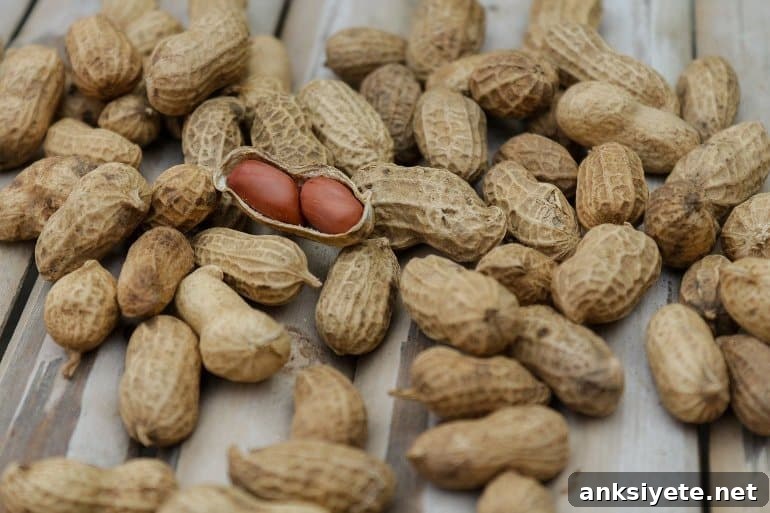
Published in Carcinogenesis, the study focuses on peanut agglutinin (PNA). PNA is a carbohydrate-binding protein present in peanuts that can survive cooking and digestion, and becomes detectable in the bloodstream shortly after peanut ingestion. The researchers found that circulating PNA interacts directly with vascular endothelial cells—the cells that line blood vessels—and stimulates them to produce pro-metastatic cytokines.
Specifically, exposure to PNA increased secretion of IL-6 and MCP-1 (also called CCL2), cytokines known to encourage cancer progression and metastasis. Those cytokines in turn promote higher expression of adhesion molecules on endothelial surfaces, such as integrins, VCAM and selectins. The net effect is a blood vessel environment that is more adhesive to circulating tumour cells, increasing the chance that these cells will attach, survive and form metastases.
Earlier work by Corresponding Author Professor Lu-Gang Yu and colleagues showed that circulating PNA can also bind a particular sugar chain found predominantly on pre-cancerous and cancerous cells. That interaction affects larger proteins on the surface of tumour cells—unmasking underlying adhesion molecules and making the cancer cells “stickier.” This stickiness facilitates tumour cell attachment to blood vessels and supports formation of small clusters of tumour cells that survive longer in circulation, a recognized route for many epithelial cancers to spread to distant organs.
Professor Lu-Gang Yu commented that while further research is required, the combined findings raise the possibility that very frequent or heavy peanut consumption by people with cancer could increase the risk of metastatic spread. He noted, however, that large population studies have not shown a clear effect of peanut consumption on cancer mortality overall, and one study found no significant impact on prognosis for men with established prostate cancer.
In a prior study of healthy volunteers, substantial blood concentrations of PNA occurred only transiently—typically about an hour after a large single intake (250 g) of peanuts. This suggests that ordinary levels of peanut consumption, producing lower circulating PNA, may be harmless for most people. Nevertheless, the authors caution that the relatively high PNA concentrations seen shortly after consuming a large “dose” of peanuts might have a meaningful biological effect on tumour cells circulating at that time. For this reason, they advise that heavy or very frequent peanut consumption might be best avoided by patients with cancer until more is known.
Determining whether frequent peanut intake meaningfully affects survival among cancer patients will require targeted, population-based epidemiological studies. Such studies would help clarify whether transient rises in circulating PNA translate into measurable increases in metastatic events or poorer outcomes in real-world patient populations.
Funding: This study was supported by the American Institute for Cancer Research.
About this cancer research news
Source: University of Liverpool
Contact: Press Office – University of Liverpool
Image: The image is in the public domain
Original Research: Closed access. “Appearance of peanut agglutinin in the blood circulation after peanut ingestion promotes endothelial secretion of metastasis-promoting cytokines” by Weikun Wang, Paulina Sindrewicz-Goral, Chen Chen, Carrie A Duckworth, David Mark Pritchard, Jonathan M Rhodes, Lu-Gang Yu. Carcinogenesis
Abstract
Appearance of peanut agglutinin in the blood circulation after peanut ingestion promotes endothelial secretion of metastasis-promoting cytokines
Peanut agglutinin (PNA) is a carbohydrate-binding protein found in peanuts and represents approximately 0.15% of peanut weight. PNA is resistant to heat and digestion and can be rapidly detected in the bloodstream after peanut consumption.
Previous studies by this group showed that circulating PNA can mimic the actions of the endogenous galactoside-binding protein galectin-3 by interacting with tumour cell-associated MUC1, thereby promoting the metastatic spread of circulating tumour cells.
The current study demonstrates that circulating PNA also interacts with both microvascular and macrovascular endothelial cells, inducing secretion of MCP-1 (CCL2) and IL-6 both in vitro and in vivo.
This elevated cytokine secretion acts in an autocrine and paracrine manner to increase endothelial expression of cell-surface adhesion molecules—including integrins, VCAM and selectins—resulting in enhanced tumour cell–endothelium adhesion and greater endothelial tube formation.
Mechanistically, the study shows that PNA binds to MCAM (CD146) on the endothelial surface through N-linked glycans and activates PI3K–AKT–PRAS40 signalling, which drives the secretion of MCP-1 and IL-6 by vascular endothelium.
In summary, beyond promoting tumour cell stickiness through interaction with tumour-associated MUC1, circulating PNA may also foster metastasis by stimulating vascular endothelium to release MCP-1 and IL-6, creating a vascular environment that supports tumour cell adhesion and dissemination.