
Analysis of MRI Scans Links Smaller Brain Volumes in Low-Birth-Weight Children to Later Academic Difficulties
New analysis of magnetic resonance imaging (MRI) scans from 97 adolescents who were part of a longitudinal study of very low birth weight infants has identified a relationship between reduced brain volumes and poorer academic performance. The original cohort consists of babies born between 1982 and 1986 in a Cleveland neonatal intensive care unit (NICU), tracked from early school years into adolescence.
Researchers report that more than half of the children who weighed less than 1.66 pounds at birth (classified as extremely low birth weight) and more than 30 percent of those who weighed less than 3.31 pounds (very low birth weight) later showed persistent academic deficits. Lower birth weight was associated with smaller volumes in particular brain regions for some children, and those reduced regional volumes were, in turn, associated with lower academic achievement.
At the same time, the study emphasizes that preterm birth or low birth weight does not guarantee poor outcomes: 65.6 percent of children in the very low birth weight category and 41.2 percent of extremely preterm children achieved academic performance comparable to their normal-birth-weight peers. In other words, many children born very small still follow typical academic trajectories.
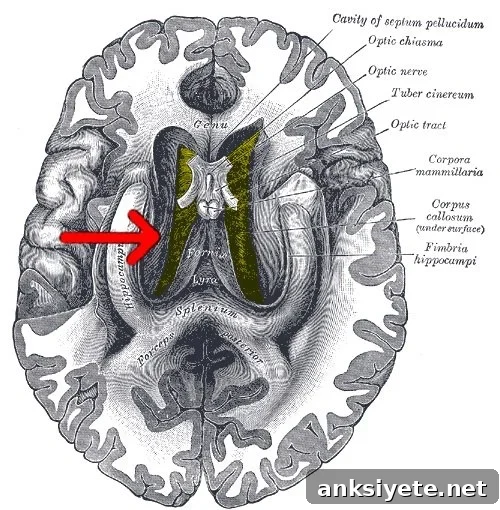
The study, led by Caron A. C. Clark from the Department of Psychology and the Child and Family Center at the University of Oregon, identified smaller volumes in midbrain structures such as the caudate and the corpus callosum. These structures play key roles in cognitive control, attention, motor coordination, and the integration of information between the two brain hemispheres.
The MRI analyses used logistic regression models to relate neural structure to academic outcomes. The scans included in the analysis were collected roughly five years prior to the publication. Results appeared in the May issue of the journal Neuropsychology. This work builds on a longitudinal project originally funded in the 1980s by the National Institute of Child Health and Human Development (NIH grant HD 26554) and coordinated by H. Gerry Taylor of Case Western Reserve University, who is the senior author and principal investigator on the current paper.
Clark notes the dual message of the findings: while preterm birth and low birth weight increase the likelihood of brain differences that predict academic risk, many children born small still develop academically in line with their peers. The study’s long-term tracking of participants—assessing academic progress early in school, again four years later, and then annually until nearly age 17—provides a rich view of how educational trajectories unfold over time.
These results raise important questions for clinicians, educators, and families: Why do some low-birth-weight children follow typical academic paths while others experience persistent difficulties? How early can we identify which children will benefit from intensive interventions? Clark and colleagues stress the need for early markers that could guide timely, targeted support.
The research also reflects the clinical context of babies born in NICUs three decades ago. Advances in neonatal care since the 1980s likely change the prognosis for many infants born today, though improved survival of even smaller preterm infants also introduces new challenges. Ongoing research aims to translate findings about brain structure into practical early-warning signs and prevention strategies to reduce later cognitive and academic problems among children born very small.
Notes about this neurology and cognitive development research
Co-authors on the paper include Kimberly Andrews Espy (University of Oregon), Hua Fang (University of Massachusetts Medical School), Pauline A. Filipek and Jenifer Juranek (University of Texas Health Sciences Center at Houston), and Barbara Bangert, Maureen Hack, and H. Gerry Taylor (Case Western Reserve University and University Hospitals Case Medical Center, Cleveland).
Contact: Jim Barlow – University of Oregon
Source: University of Oregon press release describing the study
Image Source: Brain image with the corpus callosum highlighted is credited to Gray’s Anatomy and is in the public domain.
Original Research: Article titled “Relation of neural structure to persistently low academic achievement: A longitudinal study of children with differing birth weights” by Clark, Caron A. C.; Fang, Hua; Espy, Kimberly Andrews; Filipek, Pauline A.; Juranek, Jenifer; Bangert, Barbara; Hack, Maureen; and Taylor, H. Gerry, published online May 2013 in Neuropsychology. doi: 10.1037/a0032273