
Summary: Researchers report they have successfully prevented the development of Alzheimer’s in mice by delivering a protective gene to the brain using a modified virus.
Source: Imperial College London.
Gene therapy prevented Alzheimer’s-like pathology in mice by delivering PGC-1α to specific brain regions.
Researchers at Imperial College London report that delivering the PGC-1α gene directly into the brains of mice using a modified viral vector prevented the formation of amyloid plaques and preserved memory and neurons in an animal model of Alzheimer’s disease. These early-stage results, published in Proceedings of the National Academy of Sciences, point to a new potential therapeutic approach that warrants further investigation.
The team used a lentiviral vector, a commonly used vehicle in gene therapy, to introduce the human PGC-1α gene into brain cells. Previous laboratory work by the group indicated that PGC-1α can reduce production of amyloid-beta (Aβ) by downregulating β-secretase (BACE1), the enzyme that generates the Aβ peptide. Amyloid-beta peptides accumulate into sticky amyloid plaques in the brains of people with Alzheimer’s disease and are associated with neuronal death and cognitive decline.
In the published study, researchers injected the lentiviral vector carrying human PGC-1α into two brain regions commonly affected early in Alzheimer’s: the hippocampus and the cortex. The hippocampus is critical for short-term memory and spatial orientation; damage there produces forgetfulness and disorientation. The cortex supports long-term memory, reasoning and mood, and cortical damage contributes to problems with decision-making, daily tasks and emotional regulation.
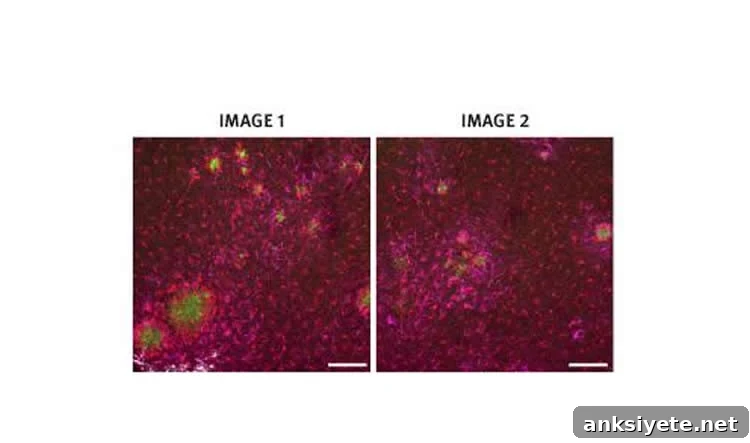
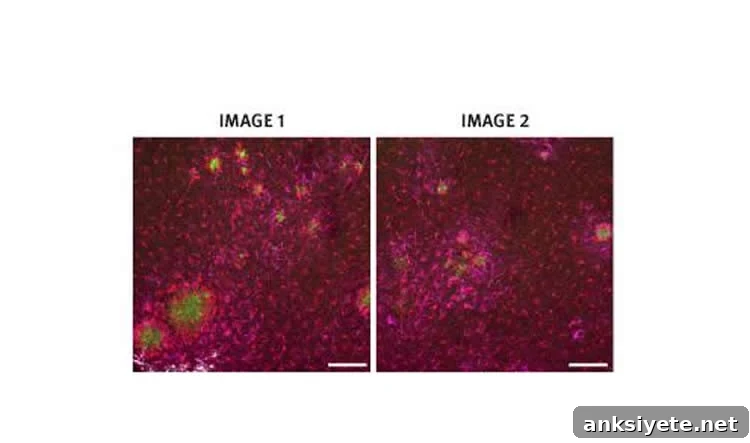
The experiments were performed in APP23 transgenic mice, a model that develops Alzheimer’s-like amyloid pathology. Injections were given at a preclinical stage, before amyloid plaques had formed. Four months after gene delivery, mice that received PGC-1α showed dramatically fewer amyloid plaques compared with untreated controls. Behaviorally, treated mice performed at the same level as healthy animals on memory tasks, such as tests measuring recognition of a novel object.
Neuropathological analysis found that PGC-1α treatment prevented neuronal loss in the hippocampus and reduced activation of glial cells. In Alzheimer’s, activated microglia and astrocytes can release proinflammatory substances that worsen neuronal damage; in this study, treated mice had lower levels of proinflammatory cytokines and decreased microglial activation. The authors also observed reduced expression of BACE1 in treated brains, consistent with a mechanistic pathway where PGC-1α lowers Aβ generation by downregulating the primary Aβ-producing enzyme.
PGC-1α is a transcriptional coactivator involved in metabolic regulation, including mitochondrial biogenesis and glucose and lipid metabolism. Other research has suggested that lifestyle factors such as exercise, and compounds like the polyphenol resveratrol, can increase PGC-1α levels, though any benefits of resveratrol appear limited to purified preparations rather than alcoholic beverages.
Lead authors emphasize that this is a proof-of-concept study. Delivering the gene required stereotactic injections directly into the brain, which presents practical and safety challenges for human therapy. Nonetheless, the results indicate that region-specific induction of PGC-1α can reduce Aβ pathology, protect neurons and improve memory-related behavior in a mouse model, supporting further preclinical and translational work to test whether similar strategies could be safe and effective in people.
Dr Magdalena Sastre, senior author from the Department of Medicine at Imperial College London, said the findings are early but promising: they suggest gene therapy targeting PGC-1α may offer a method to prevent or halt disease progression if applied in the initial stages. Professor Nicholas Mazarakis, co-author, noted that lentiviral vectors have been used in a range of gene therapy trials and were previously applied to deliver genes into the brains of Parkinson’s disease patients.
Funding: The research was funded by Alzheimer’s Research UK and the European Research Council.
Source: Kate Wighton – Imperial College London
Image Source: NeuroscienceNews.com image credited to Imperial College London.
Original Research: “PPARγ-coactivator-1α gene transfer reduces neuronal loss and amyloid-β generation by reducing β-secretase in an Alzheimer’s disease model” by Loukia Katsouri, Yau M. Lim, Katrin Blondrath, Ioanna Eleftheriadou, Laura Lombardero, Amy M. Birch, Nazanin Mirzaei, Elaine E. Irvine, Nicholas D. Mazarakis, and Magdalena Sastre, published in PNAS.
PPARγ-coactivator-1α gene transfer reduces neuronal loss and amyloid-β generation by reducing β-secretase in an Alzheimer’s disease model
Current therapies for Alzheimer’s disease are symptomatic and do not target the underlying Aβ pathology or neuronal loss. PGC-1α is a coactivator that influences metabolic genes, oxidative phosphorylation and mitochondrial biogenesis, and previous work showed PGC-1α regulates transcription of BACE1, the main enzyme responsible for Aβ production, with reduced expression reported in Alzheimer’s patients. The study generated a lentiviral vector expressing human PGC-1α and delivered it stereotactically to the hippocampus and cortex of APP23 transgenic mice at a preclinical stage. Four months after injection, treated mice showed improved spatial and recognition memory, a significant reduction in Aβ deposition and decreased BACE1 expression. Overexpression of PGC-1α attenuated proinflammatory cytokines and microglial activation, preserved pyramidal neurons in the CA3 hippocampal region and increased neurotrophic factors. The neuroprotective effects were linked to reduced Aβ pathology and neuroinflammation, and wild-type mice receiving the same treatment were unaffected. These results indicate that selective induction of PGC-1α in targeted brain areas can counter AD-related neurodegeneration and supports further exploration of this approach as a potential therapeutic strategy.
This study offers a foundation for exploring gene therapy as a treatment strategy for Alzheimer’s disease. Additional research is required to determine safety, efficacy and practicality in humans, and to identify the most suitable delivery methods and treatment windows for translation into clinical use.